
 English
 Tiếng Việt
 日本語
Van Coc Communal House becomes a new tourist destination in the west of Hanoi
According to the decision of the Hanoi People’s Committee, the tourist destination is officially named Van Coc Communal House Relics Tourist Site, located in Phuc Loc commune and managed by the People’s Committee of Phuc Loc commune. Previously, the Hanoi Department of Culture, Sports and Tourism received applications for recognition as a tourist destination on September 16, 2026. On September 25, the assessment team conducted a field survey at the relic and on September 28 agreed to request the City People’s Committee to recognize Van Coc communal house as a tourist destination.
From a familiar religious space of the local community, Van Coc communal house now has more conditions to develop into a cultural destination of Phuc Loc commune. According to local documents, the ancient communal house was called Van Thuy communal house, located in Van Coc commune, Vinh Phuc district, former Phuc Tho district. The relic is associated with the belief of worshiping three village tutelary gods including Phung Thi A Tu, Phung Thi A Huyen and Hoang Thuong Cat, characters who are legendary as female generals under the Hai Ba Trung flag. Having gone through many historical upheavals, Van Coc communal house is still preserved and preserved by the community. The relic currently includes main items such as Nghi Mon, Dai Pagoda and Harem, in which the Dai Pagoda is built in the style of 5 compartments and 2 compartments with a system of wooden structures carved with traditional patterns, and the Harem is where the altar system associated with the village Tutelary God belief is arranged. The communal house also preserves many valuable artifacts such as dragon thrones, tablets, wooden incense burners, altars, hammock doors and relics. Since 1999, Van Coc communal house has been ranked as a historical – cultural relic at the provincial and city level. Not only has architectural and religious value, Van Coc communal house is also a place to maintain many community cultural activities passed down through generations. The annual traditional festival is held with palanquin processions, sacrifices and many cultural activities, sports and folk games. Notably, the palanquin procession ritual has the rotating participation of localities of ancient Tong Coc, thereby creating a unique feature for the festival and maintaining cultural links between communities in the region. 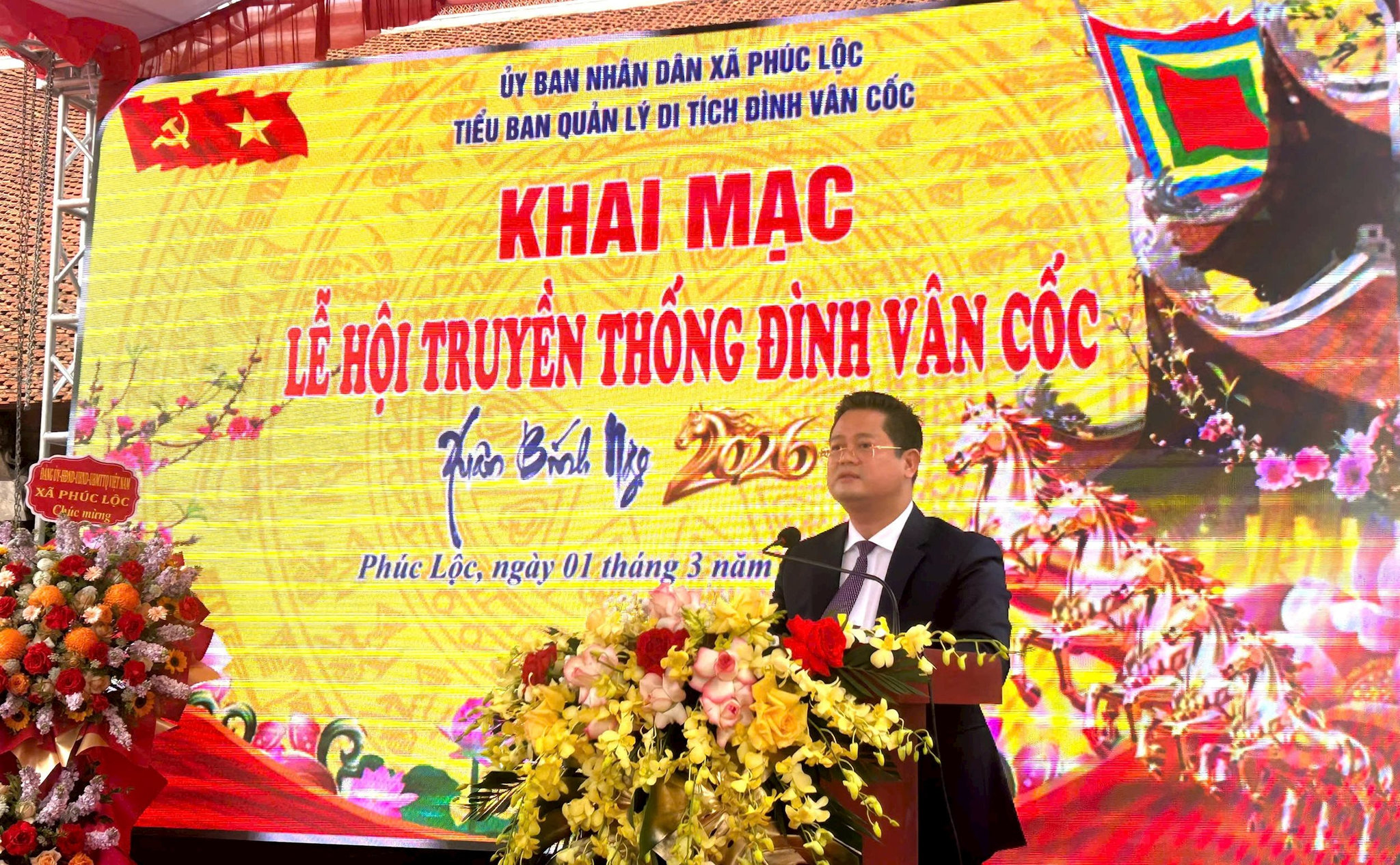
Being recognized as a tourist destination also opens up opportunities for Van Coc communal house to connect with many other resources in the area. According to assessments by professional agencies, destinations can be associated with agricultural production spaces, craft villages, OCOP products, local cuisine and regional monument systems to form more diverse tourism products. Van Coc communal house has the potential to connect with Tam Van grapefruit growing area, food processing villages and destinations such as Hat Mon Temple, Ha Hiep communal house and Tuong Phieu communal house.
From a village communal house associated with the memories and religious life of the community, Van Coc communal house is entering a new phase when heritage values are brought closer to tourists. Recognizing a tourist destination is not only a recognition of the inherent historical, cultural and architectural values of the monument, but also requires appropriate management and exploitation, ensuring a balance between tourism development and preservation of traditional space. 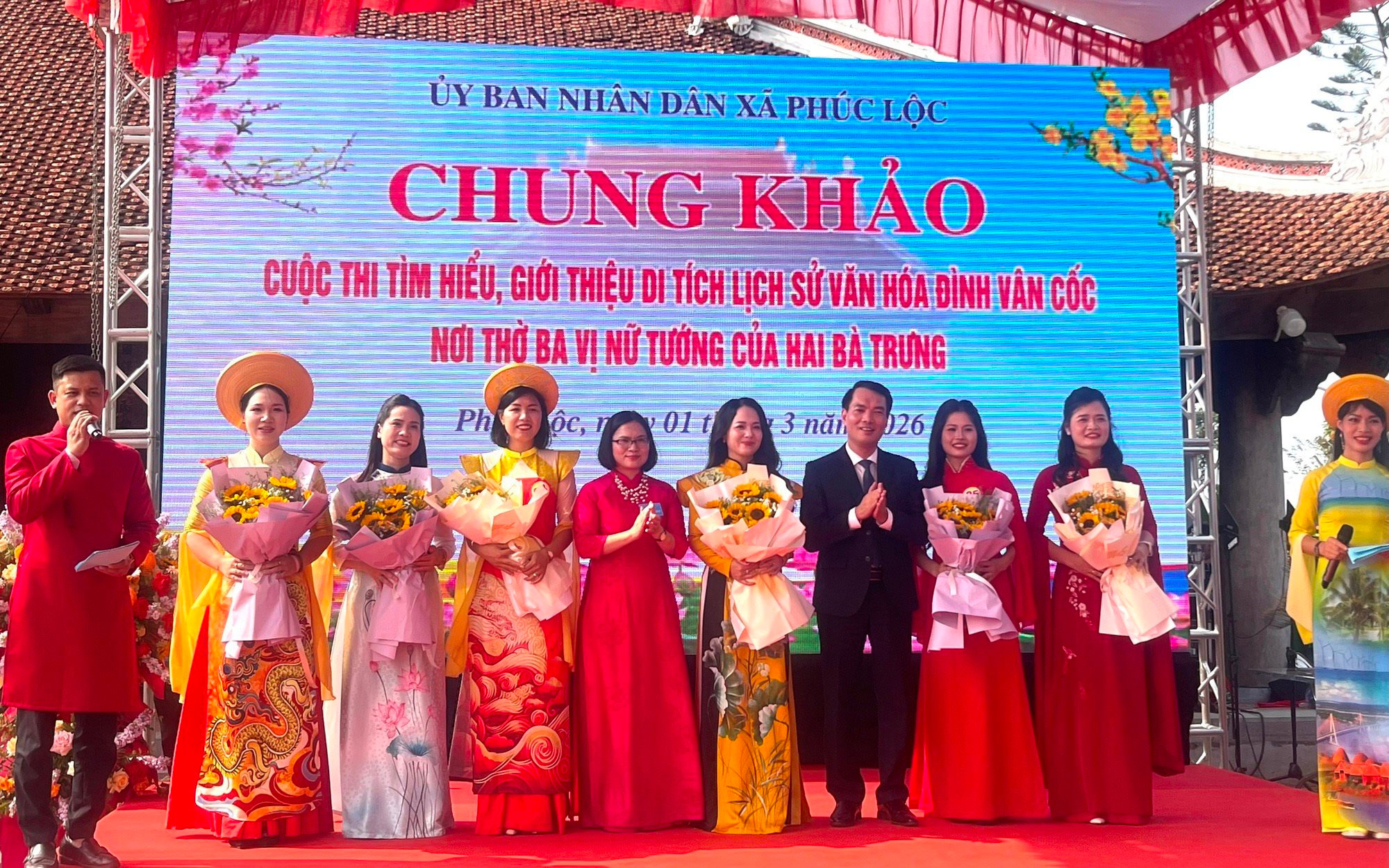
With values accumulated over many generations, Van Coc communal house is expected to become a notable stop on the journey to discover village culture in the west of Hanoi. Here, visitors can learn about history, experience religious spaces and access community cultural activities that are still maintained in contemporary life.