
 English
 Tiếng Việt
 日本語
“Unknown Land” opens a dialogue about loss, memory and motherhood
At the exchange, Doan Bui and Associate Professor Dr. Phung Ngoc Kien, Faculty of Literature, University of Social Sciences and Humanities, Hanoi National University shared about the creative process, how literature approaches private trauma and the ability to connect experiences that seem to belong to only one individual. “Land of the Unknown” begins with the story of a mother who lost her daughter when the baby was only 15 days old. After the incident, the mother silently wrote a manuscript called “Me-Linh’s Story” as a way to hold on to the image of the child, and at the same time gradually delve into the painful memories that she could not yet name. However, that same manuscript also became a source of pain that made her unable to read it again and forced her to face the question of whether people can really break with the past and return to a normal life.
From personal stories, the book expands to issues of motherhood, loss, guilt, silence and how society perceives the pain of others. The work does not offer a healing formula or try to ease the tragedy with available advice, but chooses a narrative that is both painful and self-deprecating so that personal experiences gradually touch universal emotions. According to Associate Professor, Dr. Phung Ngoc Kien, loss is a familiar topic in literature, but the most difficult thing lies in expressing very personal trauma. With “The Unknown Land”, the story not only stops at a mother’s pain but also suggests deeper thoughts about motherhood, empathy and the ability of people to share emotions that are difficult to name. 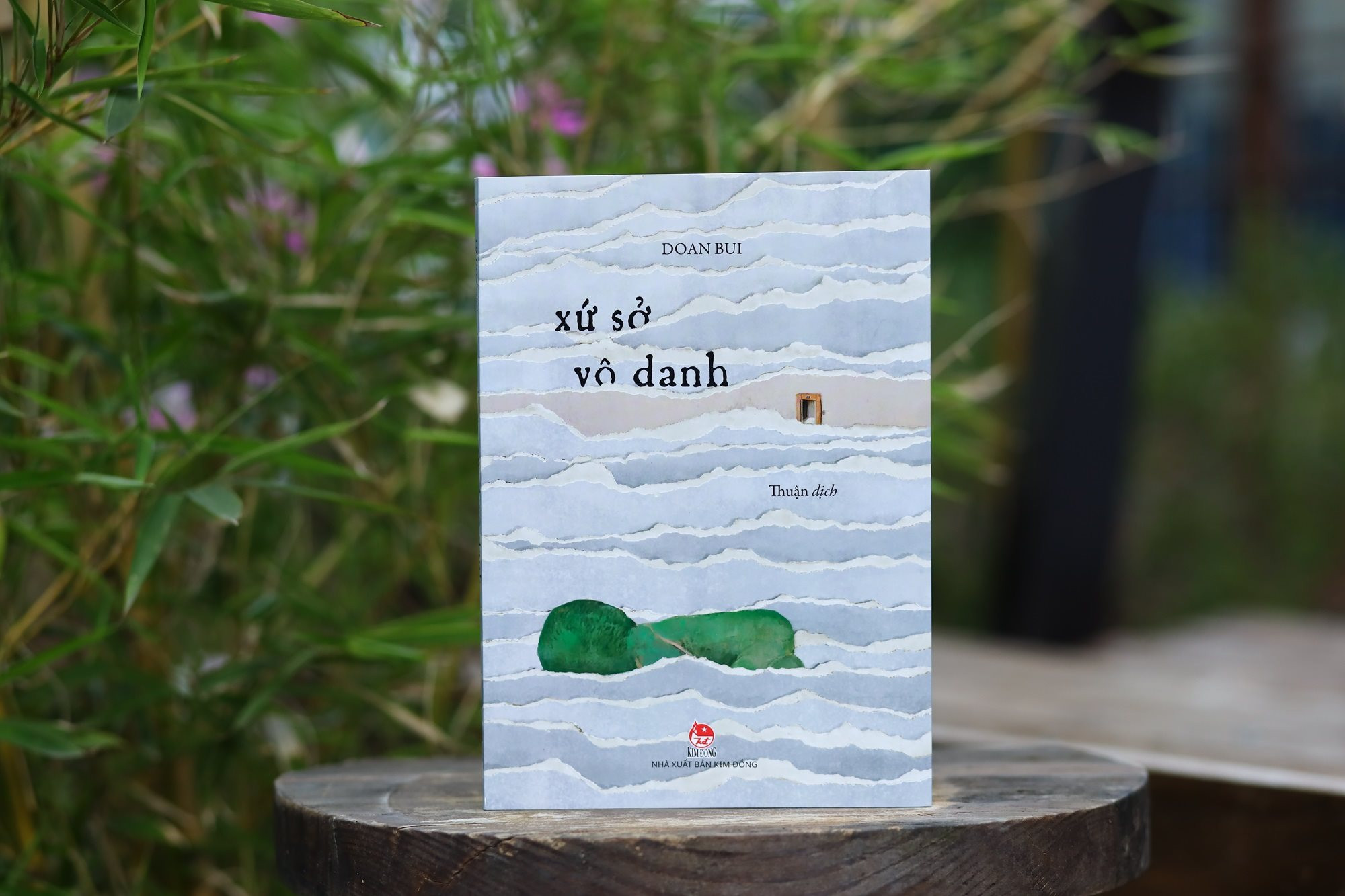 One of the notable points of the work is its diverse narrative structure, combining stories, letters, quotes, notes, diaries and poetry. The experience of an investigative reporter is mixed with the sensitive soul of the writer, creating a narrative voice that is both tragic and humorous, where seemingly discrete details gradually expand a mother’s pain into the story of many lost children. From there, an imaginary space called “Unknown Land” was formed, where lost children will never grow up. This structure also allows the work to access complex emotional areas that a linear storytelling form is difficult to fully convey. The book does not shy away from the difficult to explain, even irrational, aspects of grief. The mother is both immersed in loss and wants to return to work and normal life, wants to escape the feeling of being different from those around her, but behind that desire there still exists a part of memory that cannot be erased. From this contradiction, the work raises issues about the right to grieve, the right to remember and the need to find a language capable of expressing experiences that people often do not know how to express.
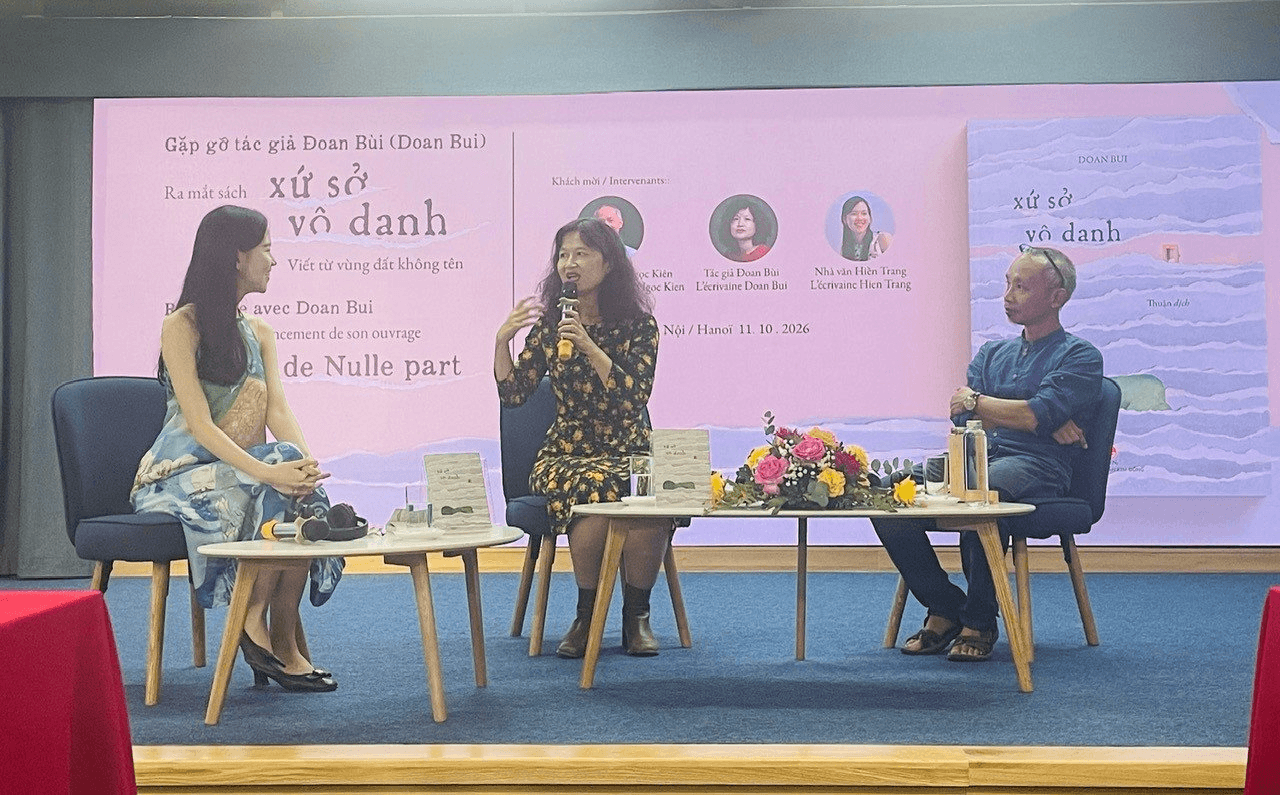 Sharing about her creative journey, Doan Bui said that writing “Land of the Unknown” was not easy because she always had to find a way to express the painful experiences in a way that still retains authenticity but does not leave the reader closed in the darkness of the story. The author chose to combine many narrative forms, with interwoven short and long paragraphs to create a feeling of being close to life, and at the same time actively made room for satirical and humorous elements even when the work talks about death and deep trauma. For her, traumatic experiences are not only difficult to put into words, but can also become a starting point for people to better understand themselves and about people in similar situations. Doan Bui also shared his excitement when reading the Vietnamese translation of the work and discussed with translator Thuan about language choices and titles to best convey the spirit of the book. According to the author, books can be like a bright area in literature, helping people find direction after loss and continue their journey. The stories on the page also create an opportunity for the living to dialogue with the memories of the deceased, thereby raising the question of how people overcome pain while still maintaining love. Doan Bui was born in 1976, is a French writer of Vietnamese origin and currently works as a reporter for a weekly newspaper Le Nouvel Obs. In 2013, she was awarded the Albert Londres Award for her series of reports on migrants and has published many works for both youth and adults. Her first novel is La Tour, released in 2022. In Vietnam, readers have known Doan Bui through the book “The Silent Father”, also translated by translator Thuan.