
 English
  Tiếng Việt
 日本語
日本語3 Ways to Experience Artistic Japanese Cuisine
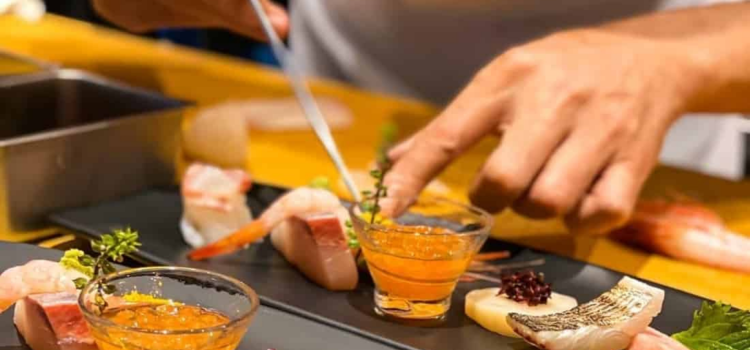
1 Omakase – a surprising way to enjoy Japanese cuisine
Omakase is understood as a meal that depends entirely on the chef. In it, you will not know in advance what dish you will use. From there, each person will have a different experience depending on the chef’s personal style. This form is said to have appeared in the 90s to help the new upper class go to sushi restaurants for the first time to dine in the most natural way, even when they did not know what to choose. Later, this was considered a new form of taste experience at high-end restaurants.
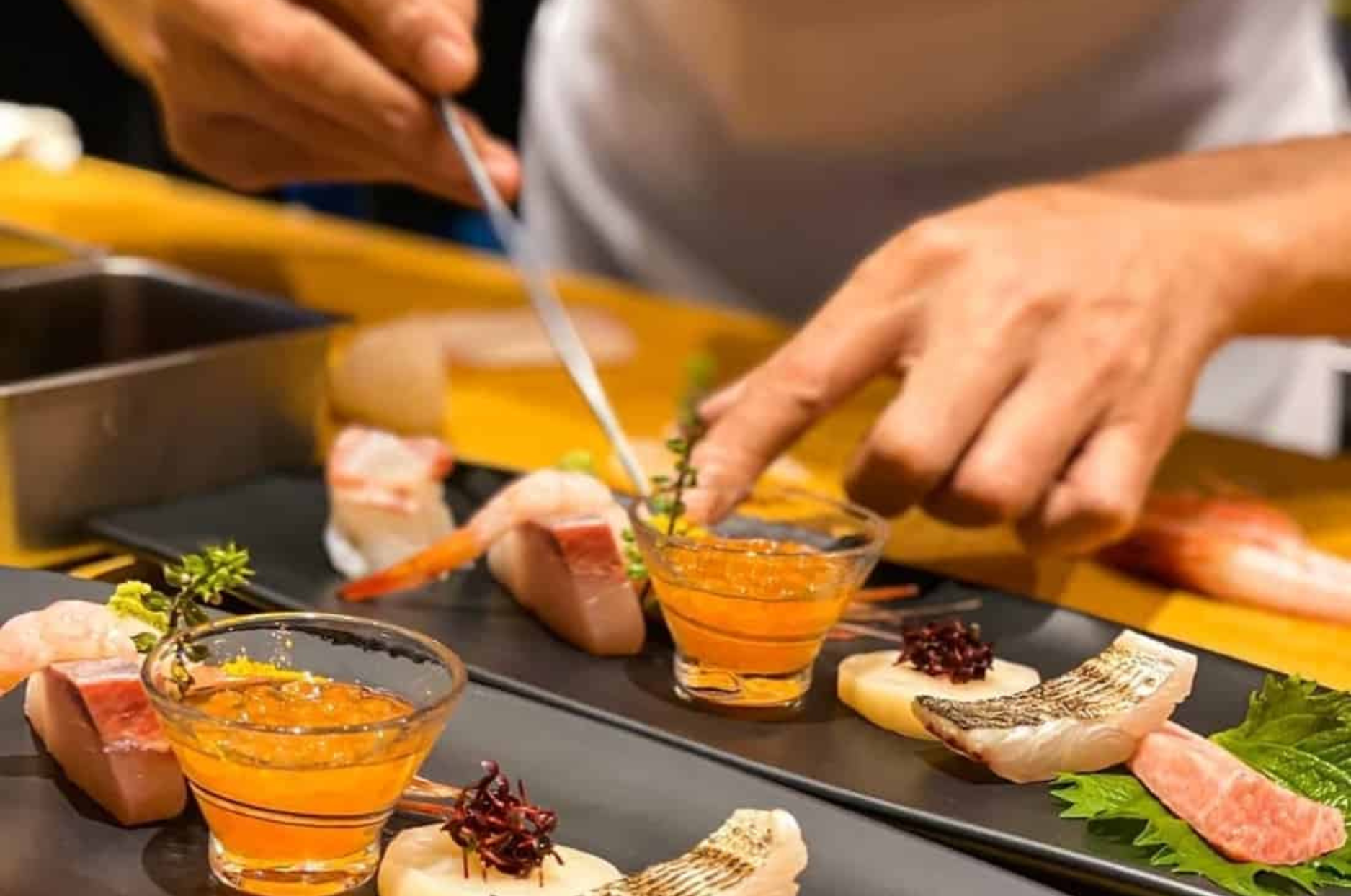
Omakase can be a secret menu prepared by the restaurant. Only diners who choose will know what flavors are behind the name of the set. But on the other hand, Omakase can also be a personalized experience for diners. In it, the chef observes what they like and dislike to adjust the following dishes and create flavors suitable for each person.
An Omakase meal is often an experience close to the chef. If diners are excited about the experience they receive, the chef will also be looking forward to feedback on their dishes. The more interactions you have, the more your taste experience will improve. Therefore, diners may not like all the dishes served, but the meal still brings joy to both parties. That’s why Omakase has become a new choice for the upper class in recent years.
2 Teppanyaki – a Japanese culinary experience that satisfies all senses
Teppanyaki is made up of two words, ‘teppan’, meaning iron stove top, and ‘yaki’, meaning baked goods. This term is used to refer to the Japanese cooking style, in which foods from meat to seafood to vegetables are grilled on an iron stovetop.
When you order at a Teppanyaki restaurant, you will see the chef serving fresh ingredients along with the teppan stove. After that, they will both prepare and demonstrate cooking techniques such as using knives, flipping, juggling, controlling fire… skillfully. The finished dish will be just cooked, retaining the unique flavor of the ingredients and spices behind the beautifully browned outer layer. So with Teppanyaki, you will enjoy the dish at its most delicious, and at the same time enjoy the satisfying process of making it.
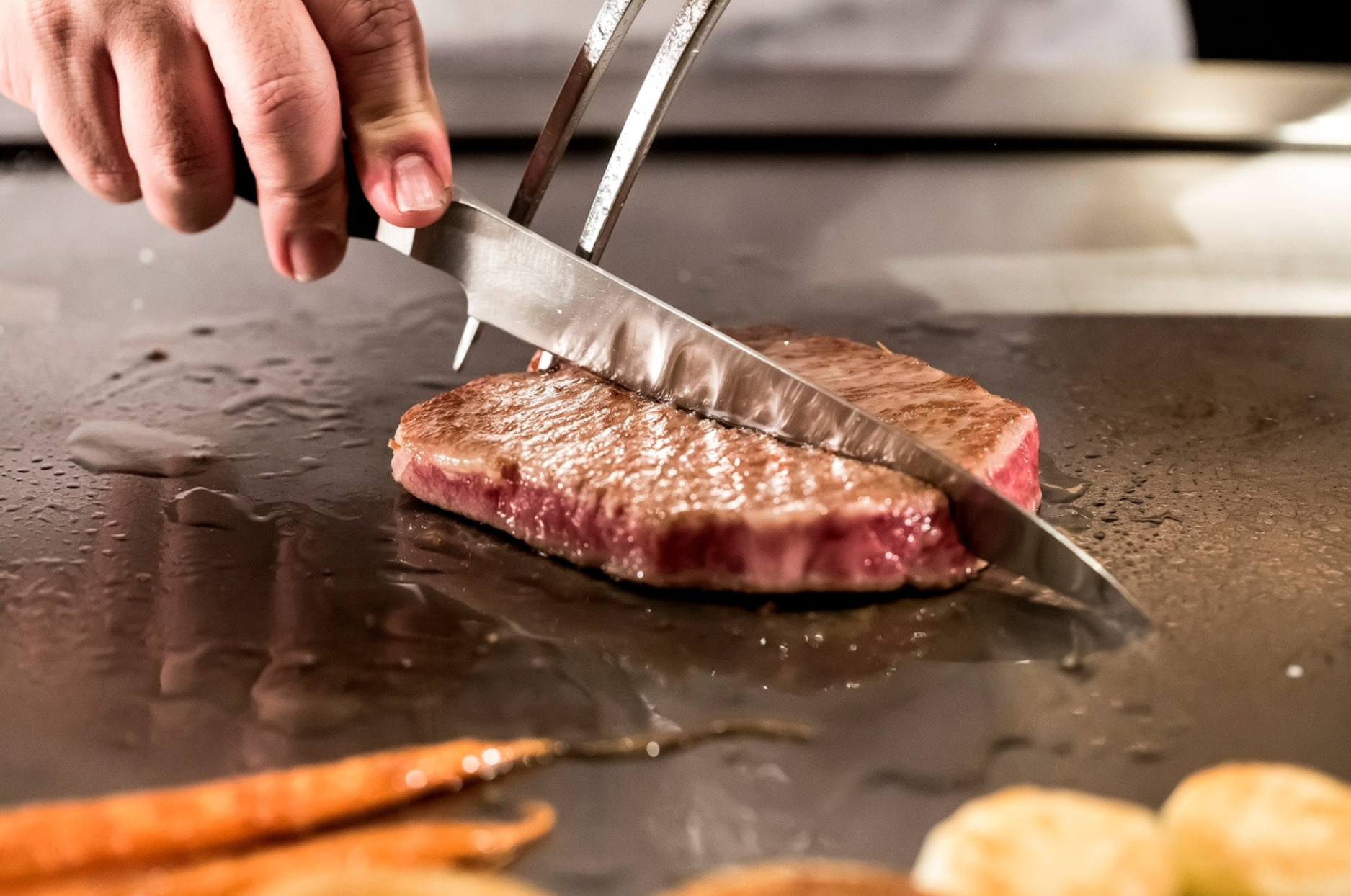
Like Omakase, Teppanyaki creates a close interaction between chefs and diners. This will help make the meal an intimate meeting between food lovers in different roles. Diners will have a wonderful meal, and the chef will also receive joy from positive feedback. Therefore, Teppanyaki is also one of the favorite serving forms of professional chefs.
Teppanyaki is also the form of serving you find in Ussina. With the open kitchen space, you can completely observe the chefs grilling the perfect blocks of Wagyu meat. But the dining space is still arranged so that you have privacy and a beautiful view while enjoying your meal.
3 Kaiseki – enjoy Japanese cuisine in aristocratic style
Kaiseki is known as a light meal that is prepared in a sophisticated, elaborate and artistic way. This form comes from the meals served to the aristocracy or royal family in the past. Gradually, Kaiseki became more popular and became a beauty in the culinary culture of Japan.
Kaiseki (懐石) – also known as “kaiseki-ryōri” (懐石料理), and Kaiseki has two meanings in Japanese:
- The first meaning is ‘stone in the heart’, which comes from the story of monks who often placed a hot stone in front of their stomachs to soothe their minds and continue to meditate even when hungry.
- The second meaning is “meal before tea ceremony”. Enjoy a kaiseki meal before participating in the tea ceremony. Kaiseki is a light meal before enjoying the tea ceremony because Japanese people cannot enjoy the taste of tea when they are hungry.
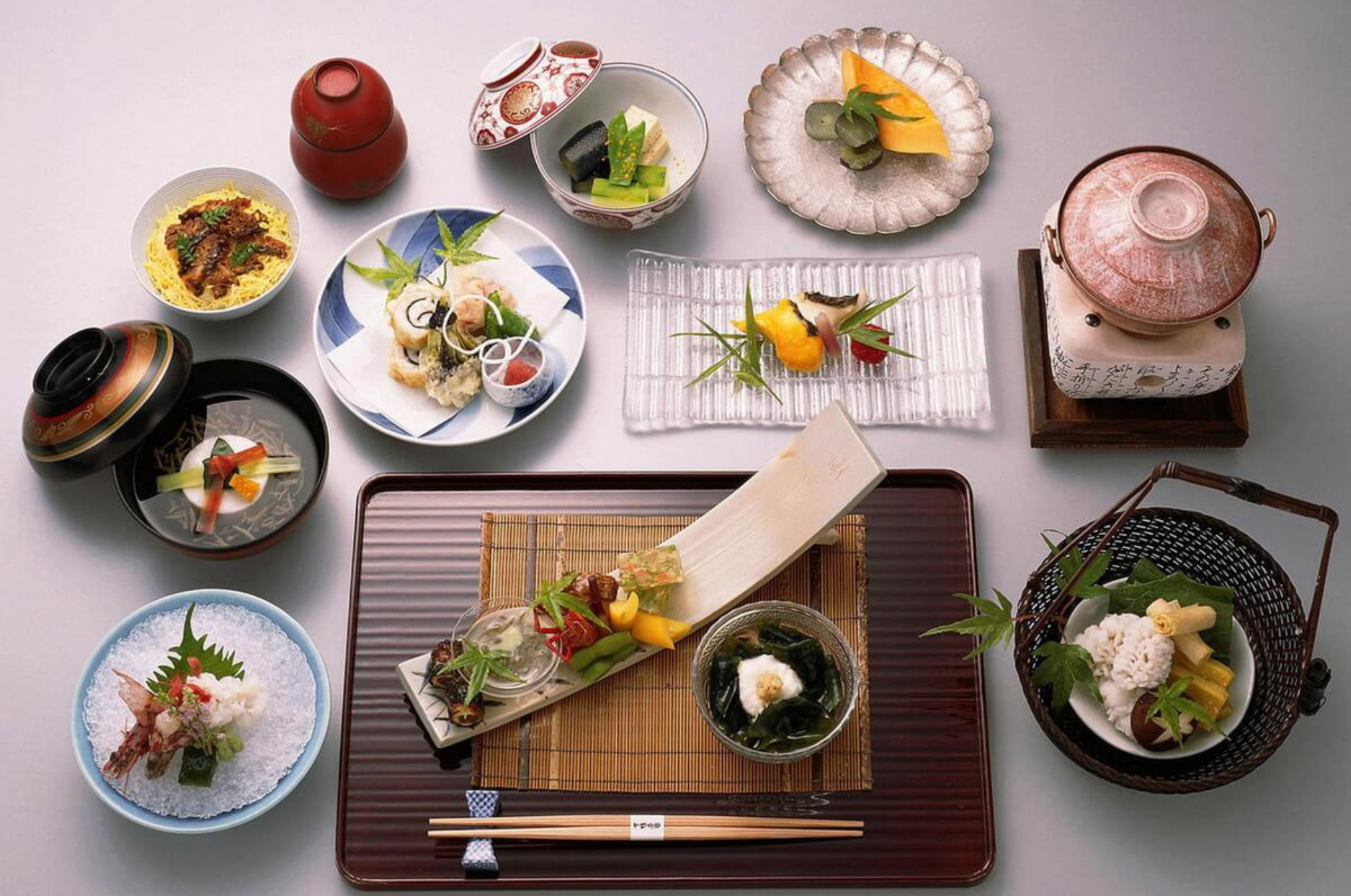
Popular dishes often eaten when enjoying Kaiseki include:
- Sakizuke – appetizer served with sake
- Nimono – stew
- Sashimi – raw fish
- Hassun – typical seasonal dish
- Yakimono – grilled dish
- Hanmono – rice dish
- Dessert and matcha tea
To create its uniqueness, Kaiseki always has seasonal ingredients changed, but usually never lacks tofu – this seemingly ordinary and simple ingredient is the epitome of the Kaiseki dining table.
4 Conclusion
They have their own unique beauty, but all three forms above are typical representatives of the quintessence of Japanese culinary culture. These are delicate, classy flavors that food lovers definitely cannot miss. Please try and share with us.