
 English
 Tiếng Việt
 日本語
Hanoi sets a target of 100% of communes and wards having effective cultural and sports models by 2030.
Implementing Resolution No. 80-NQ/TW of the Politburo, the Hanoi People’s Committee has just launched the Emulation Movement “Each commune and ward has good models, effective ways of doing things, promoting the system of grassroots cultural and sports institutions” for the period 2026-2030. The movement is deployed regularly and extensively throughout the city with the goal of more effectively exploiting the system of cultural houses, training grounds, sports spaces and community activities, while creating more models suitable to the actual needs of people in each area.
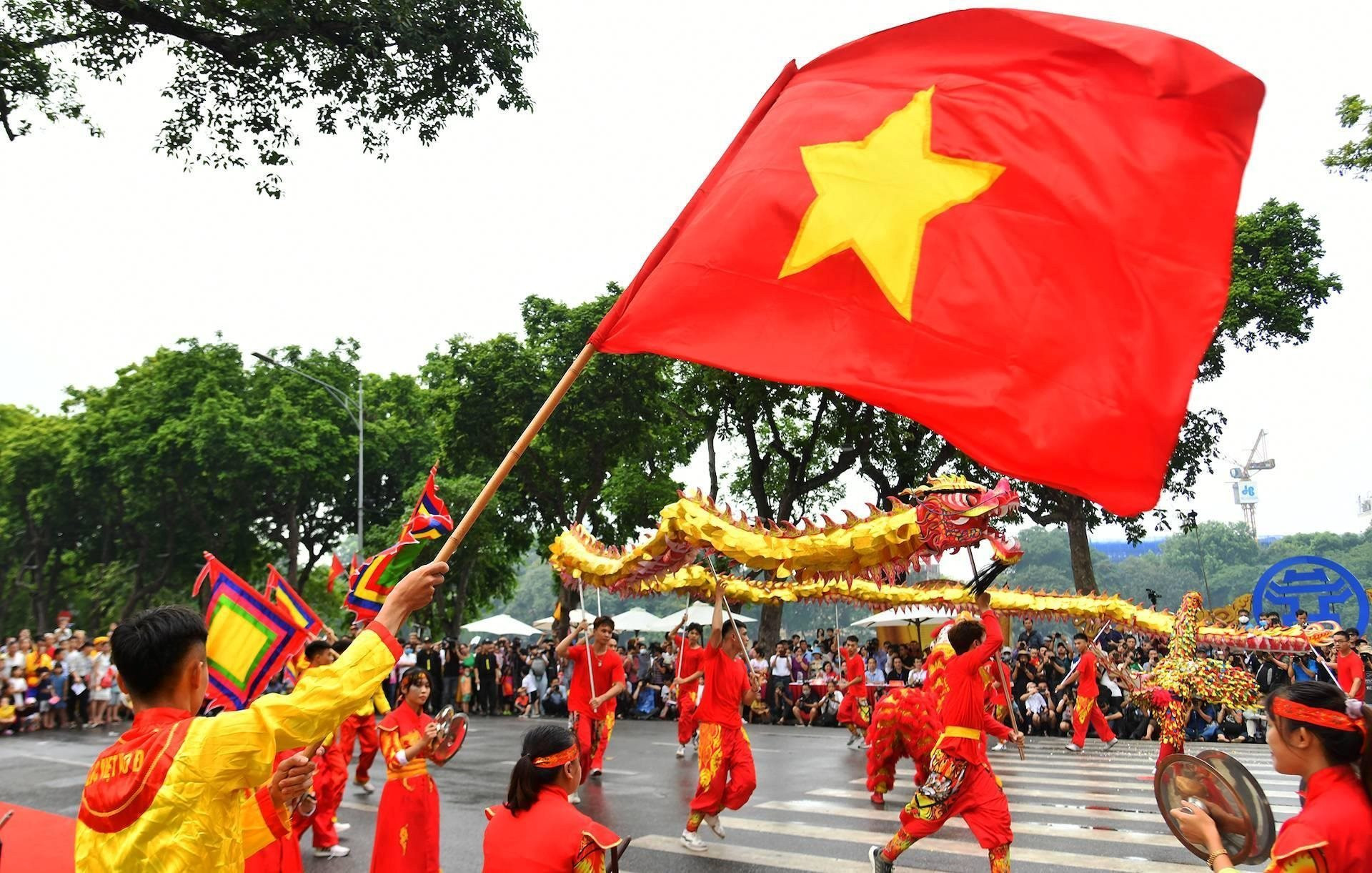
The force participating in the movement was expanded to many different groups. At the collective level, there are departments, branches, branches, Fatherland Front, socio-political organizations, commune and ward authorities, residential groups, villages, management boards, clubs and units that directly manage and exploit cultural activity spots. At the individual level, the movement recognizes the participation of cadres, civil servants, public employees, part-time grassroots activists, artisans, coaches, collaborators, movement nuclei, people and businesses who have made positive contributions to local cultural and sports life. The movement will be implemented from the fourth quarter of 2026 to the end of 2030. The end of 2026 focuses on reviewing the current situation, determining people’s needs and registering appropriate models. From 2027, the models will officially be put into operation, monitored and evaluated periodically. The city plans to hold an annual results celebration in December, a mid-term review in 2028 and a city-wide review in 2030. Right in the fourth quarter of 2026, all communes and wards must re-examine the physical conditions and usage needs of the community to register at least one model or method, and at the same time establish initial indicators for measurement. The goal by the end of 2030 is that 100% of localities will have at least one model recognized as effective or higher, with clear results, practical evidence and the ability to maintain stability in the long term. The evaluation process is not only based on records but also directly tracks indicators such as number of sessions and hours of operation, number of clubs maintained, number of participants, efficiency of space and equipment usage as well as community satisfaction. In the field of sports, the city focuses on expanding safe, regular exercise opportunities for people and gradually applying technology to management. From 2027, effective, economical and widely applicable methods will be selected to be introduced and replicated throughout the city. To better promote the existing institutional system, Hanoi deployed many groups of synchronous solutions. First of all, localities must fully review land funds, multi-purpose houses, training grounds, swimming pools, equipment, human resources and funding, thereby clearly classifying effective and ineffective operating points. Cases of misuse must be promptly corrected, and the schedule and management regulations should be made public for people to conveniently access. Localities are also encouraged to proactively build models suitable to their own characteristics such as multi-functional open cultural houses serving learning and digital skills, intergenerational living spots, spaces connecting heritage with craft villages, community bookcases, green playgrounds, outdoor exercise spots, models of sharing after-school school facilities or drowning prevention classes for children. Besides, there are self-managed clubs, national sports, folk games and typical art forms of Hanoi such as cheo, ca tru, puppetry combined with digital transformation to publicize the activity schedule. One of the important goals is to overcome the situation where cultural houses or community activities are invested in but have little activity or are only used for formal purposes. Accordingly, opening hours can be expanded to evenings and weekends, while increasing the frequency of organizing competitions, tournaments, teaching classes and community activities. People are also encouraged to directly contribute ideas, jointly manage and monitor the service quality of local institutions. In terms of resources, the state budget continues to be prioritized for the maintenance and upkeep of essential equipment, in parallel with promoting socialization on the principle of transparency and compliance with legal regulations on public assets. The City encourages organizations, businesses and individuals to contribute but requires that all mobilized resources must be aimed at serving the community, avoiding changing the function or nature of public cultural and sports institutions. Digital transformation is also included in the operational process through platforms that publicize operating schedules, support user registration, interaction statistics and citizen satisfaction surveys. Technology is also used to promote indigenous cultural values, activities and typical models in the online environment, thereby expanding community access. For objective evaluation, the city applies a 100-point scale with 7 groups of criteria. Suitability and compliance with regulations are scored up to 15 points; novelty and creativity 15 points; effective exploitation of space and institutions 20 points; social efficiency and community impact 20 points; people’s participation and satisfaction 10 points; resources and sustainability 10 points; Replication ability 10 points. In particular, the group of criteria on institutional efficiency and community impact must achieve at least 10/20 points. 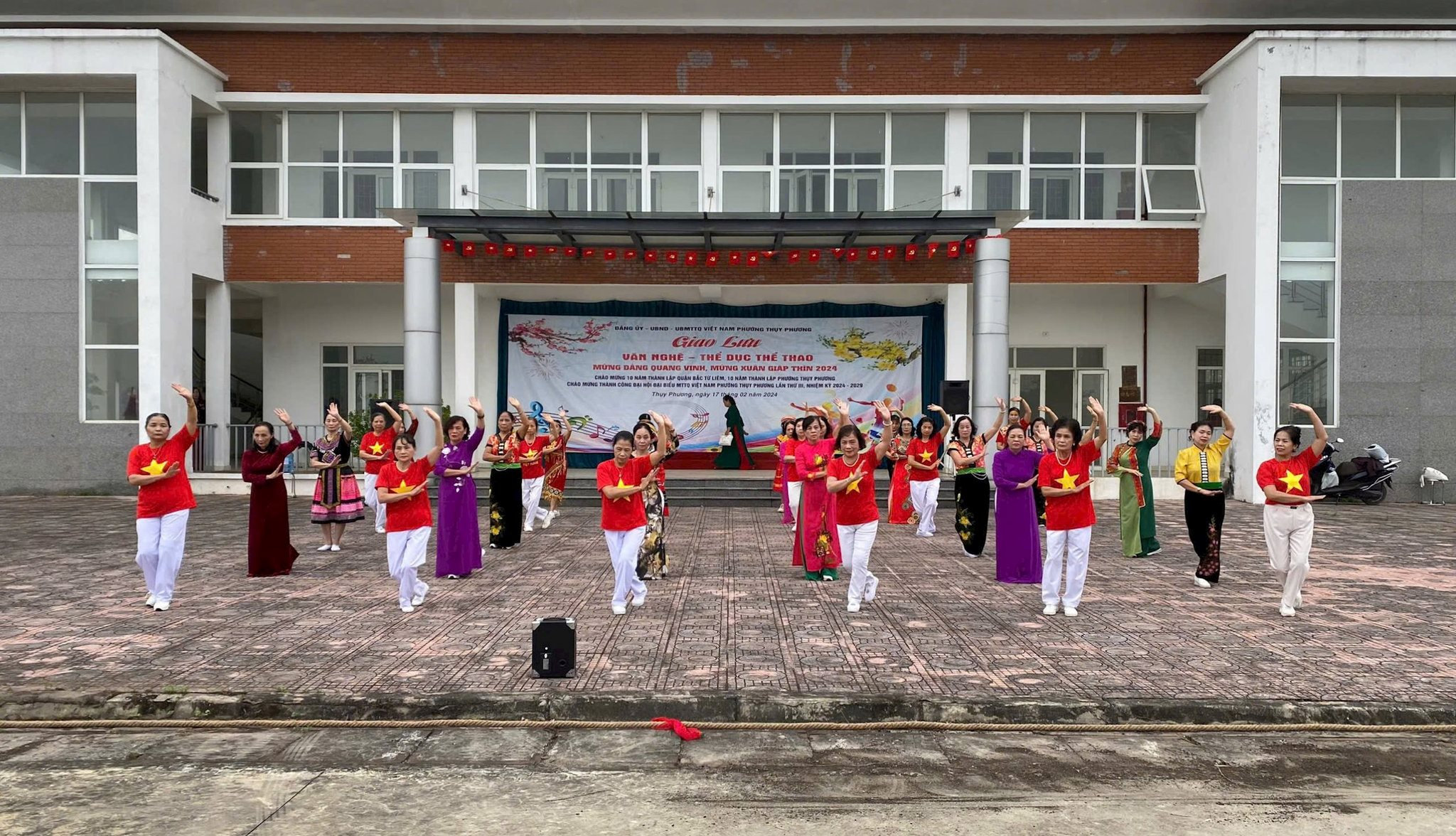
Thuy Phuong Nursing Club (Dong Ngac ward) has spread the nursing fitness movement among the elderly community in the area.
Models that score from 85 to 100 points and fully meet the required conditions will be classified as typical and prioritized for replication. Models scoring from 70 to less than 85 points are classified as effective and are considered to have completed the target; From 50 to less than 70 points are determined to be satisfactory but need to continue to improve and are not counted as completing the target. Cases with less than 50 points or not reaching the minimum score in the required criteria groups will not be recognized. Each model must be operated in practice for at least three months before being included in the evaluation. Commune and ward authorities are responsible for self-scoring, collecting documents and evidence, then the city-level specialized cultural and sports agency will appraise, conduct field inspections and propose recognition of the results. This result will be the basis for considering annual rewards and selecting effective models for continued replication. Through the movement, Hanoi aims to better exploit the invested system of cultural and sports institutions, while shifting the focus from just having facilities to improving the quality of actual activities. Taking the number of participants, efficiency of use, community impact and people’s satisfaction as measures is expected to help cultural houses, playgrounds and grassroots sports spaces become regular, practical and more closely linked activities to the life of the community.