
 English
 Tiếng Việt
 日本語
Hanoi has a total inventory of 2,098 intangible cultural heritages throughout the city
Vice Chairman of Hanoi People’s Committee Vu Thu Ha has just approved the general inventory of intangible cultural heritage in the capital. According to the list, Hanoi currently has 2,098 heritage sites of 6 types, distributed in 126 communes and wards, reflecting the richness of folk cultural life formed, practiced and transmitted through many generations. Conducting a comprehensive inventory not only aims to calculate the quantity but also helps the city better identify the current status, value and ability to maintain each heritage to have appropriate protection plans.
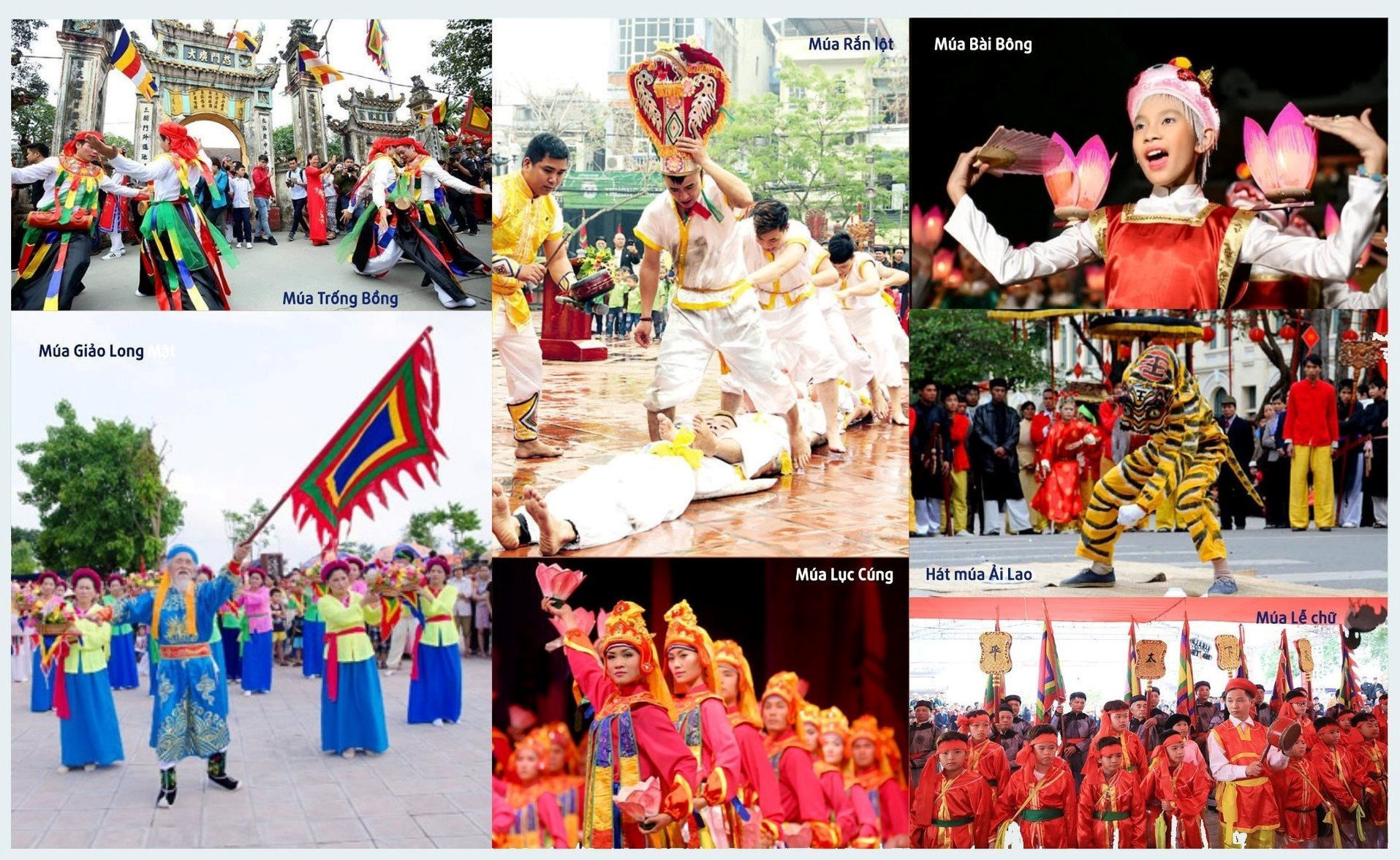
The inventory results will become an important foundation for Hanoi to build systematic conservation programs, while also serving the selection and completion of dossiers for typical heritages that are eligible to be included in the list of national intangible cultural heritage. This is also the basis for the city to gradually prepare documents towards international cultural titles registered by UNESCO. In the context of constantly changing social life, the heritage list will not be considered fixed data but will continue to be reviewed, updated and supplemented annually to closely reflect reality. The Hanoi Department of Culture, Sports and Tourism is determined to play a key role in the implementation process, coordinating with localities to widely announce and introduce the heritage list to the community. Conservation work will prioritize heritage sites registered by UNESCO, values on the list of national intangible cultural heritage and heritage sites that are at risk of extinction and need urgent protection. In parallel with direct inventory and preservation activities, the city also promotes digitalization to gradually form a synchronous digital data system on the Capital’s cultural heritage. The construction of a digital database is expected to more effectively support the management, research, promotion and education of heritage, while also creating conditions for the public to access traditional cultural values more conveniently. When information about each heritage is systematized and updated regularly, management agencies also have more grounds to assess the risk of extinction, determine protection priorities and develop value promotion programs suitable for each type and each area. At the grassroots level, commune and ward authorities will directly coordinate with the community in preserving, practicing and teaching traditional cultural values to the young generation. This is considered an important factor because the community and people are the subjects that directly create, maintain and transmit heritage. Conservation therefore does not stop at storing documents or cataloging, but needs to create conditions for customs, knowledge, performing arts and cultural practices to continue to exist in life. Through coordination between professional agencies, local authorities and the community, Hanoi aims to both protect intangible cultural heritage treasures and revive the vitality of traditional values in contemporary life. The total inventory of 2,098 heritage sites across the city is therefore considered an important foundation step for the unique cultural values of Thang Long – Hanoi to continue to be identified, preserved, transmitted and promoted in the coming years.