
 English
  Tiếng Việt
 日本語
日本語Vegetarian cuisine in Vietnam: Local identity combines global trends
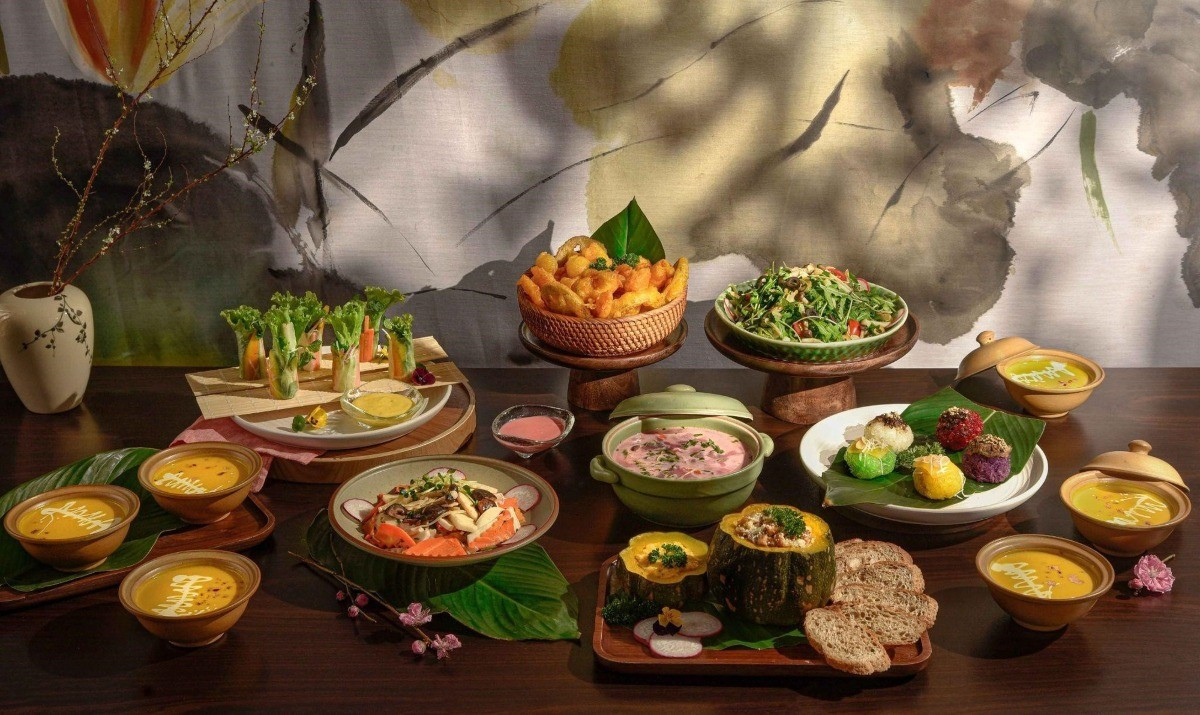
In the past few years, the trend of healthy and sustainable eating is no longer a short -term trend but is becoming a part of consumer culture in Vietnam. From small cafes to large restaurant chains, more and more brands actively put the options “plant-based” on the menu, creating a new picture for the domestic cuisine industry.
The new star of the beverage industry
According to Imarc Group (2024), the scale of the vegetarian food market (Vegan Food) in Vietnam reached about US $ 103.2 million and is expected to increase to US $ 220.5 million in 2033, the annual double growth rate (CAGR) 8.1 %. This figure clearly reflects the demand for “green” drinks and foods is increasing rapidly.
In the past, familiar drinks like Latte, Cappuccino or Matcha in Vietnam were almost only associated with cow’s milk, now seed milk has become a popular choice. This clearly reflects the movement to a healthy eating trend.
At Starbucks Vietnam, customers can easily choose alternative milk such as almond milk, soy milk or oatmeal for their drinks. This brand has even brought Almondmilk Hazelnut Latte – Latte chestnut with almond milk … into the official menu.
The Coffee House also does not stand out when adding a series of almond milk products such as almond milk, almond milk tea, almond milk chocolate. The Highlands Coffee has not officially announced the use of oatmeal or soy milk, but the appearance of almonds has been seen as a “exploration” of seed milk market.
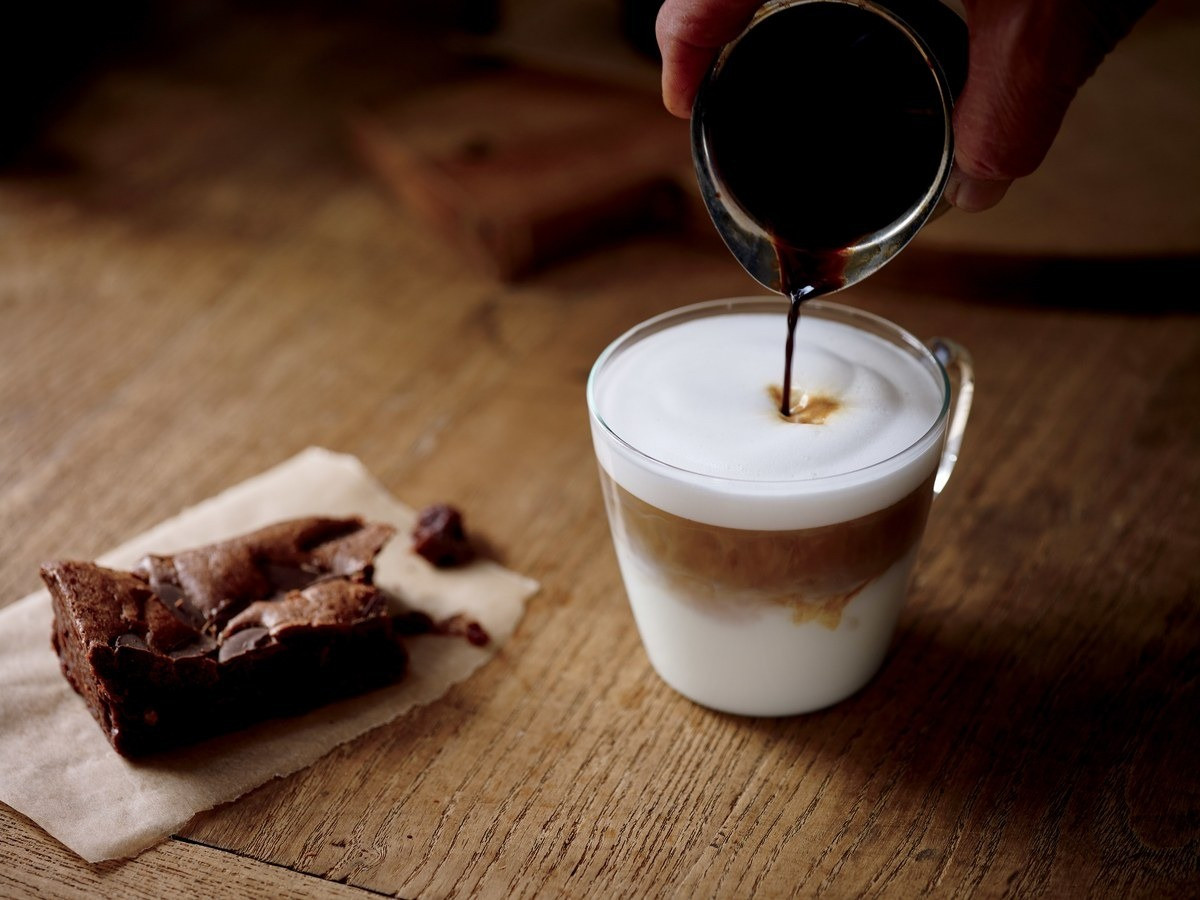
Not only large chains, independent cafes are also quick to welcome the trend. In Hanoi, Fuku Coffee
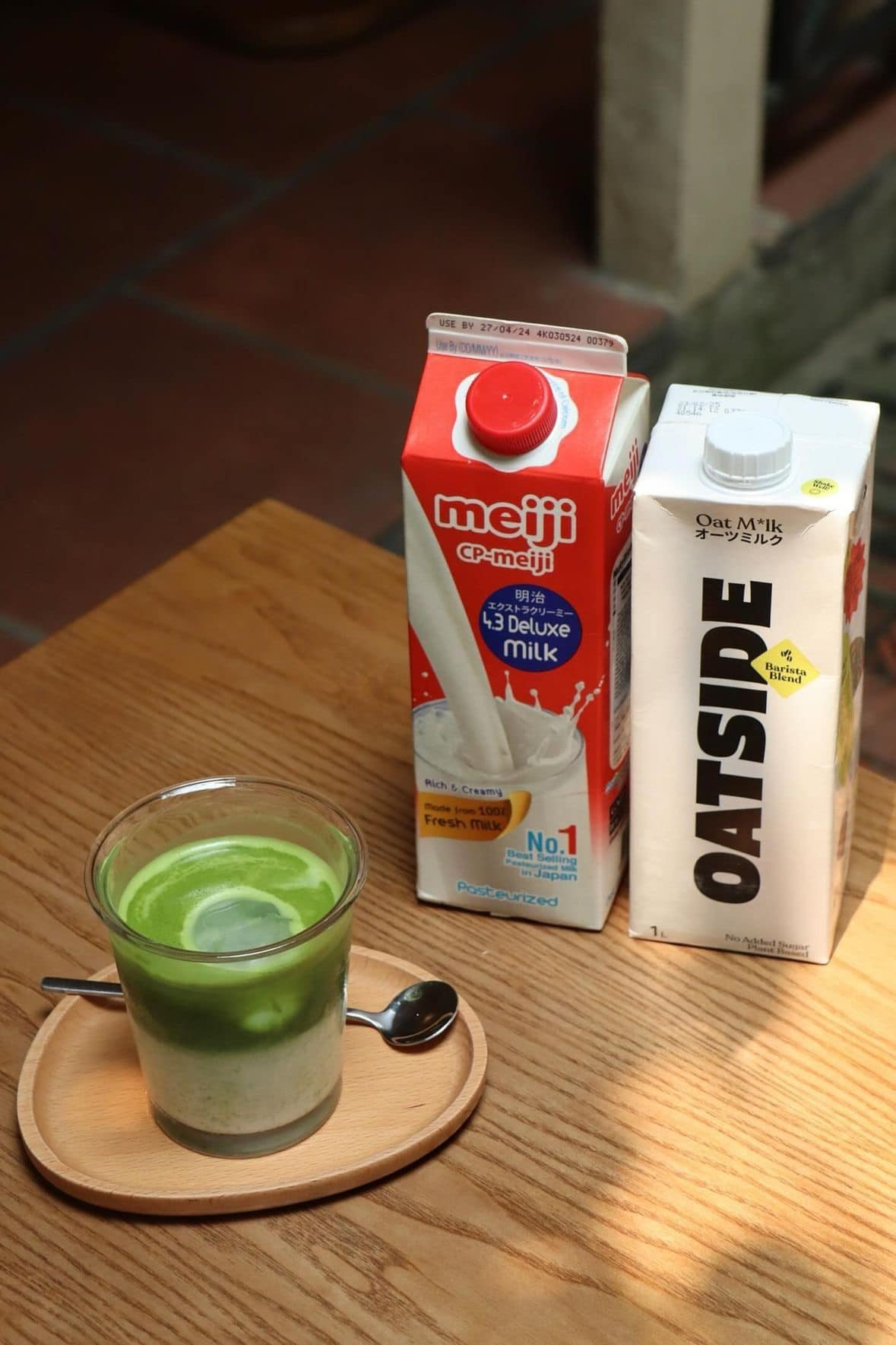
According to Minh Thu’s share, the owner of a coffee shop in Ba Dinh ward, the shop is in the finishing stage to officially bring a vegetarian drink into the menu. Ms. Thu said that this decision is a “strategic investment” because although the cost of seed milk is higher, about 30% of young customers have actively asked about choices without animal milk, reflecting high awareness about health and the environment.
“The menu is about to debut not merely replacing milk but we focus on creating pure vegetarian signature dishes such as” Tropical oat latte “from Binh Phuoc cashew nuts, Ben Tre coconut, Western mango coconut … to prove that plant drinks are also delicious and unique,” Thu said.
In Ho Chi Minh City, Faminuts House marked with cakes and plant-based beverages made from many nuts and fruits. Or in Da Nang, Oatway specializes in oats, seed milk and plants, becoming a familiar destination for young people in the “Healthy” lifestyle.
The presence of these cafes shows the “green” trend that has beyond the scope of big brands, spreading to each corner of the street and gradually becoming a new part of Vietnamese culinary culture.
New growth motivation
Along with that, the normal vegetarian dishes in the restaurant also adapt by expanding the menu, adding appropriate choices for customers. .
The capital is famous for its traditional culinary style, now a pioneer to receive the Plant-Based wave. In addition to outstanding brands such as Vegetarian Dam Dam, Sadhu Buffet Vegetarian, Veggie Castle or Zenith Vegan Café … More and more Asian – European restaurants, Binh Dan Pho restaurant also adds vegetarian dishes to the menu. No longer a “side dish” for yes, vegetarian pho, vegetarian noodles, salads or vegetarian rice … are designed well, beautifully presented.
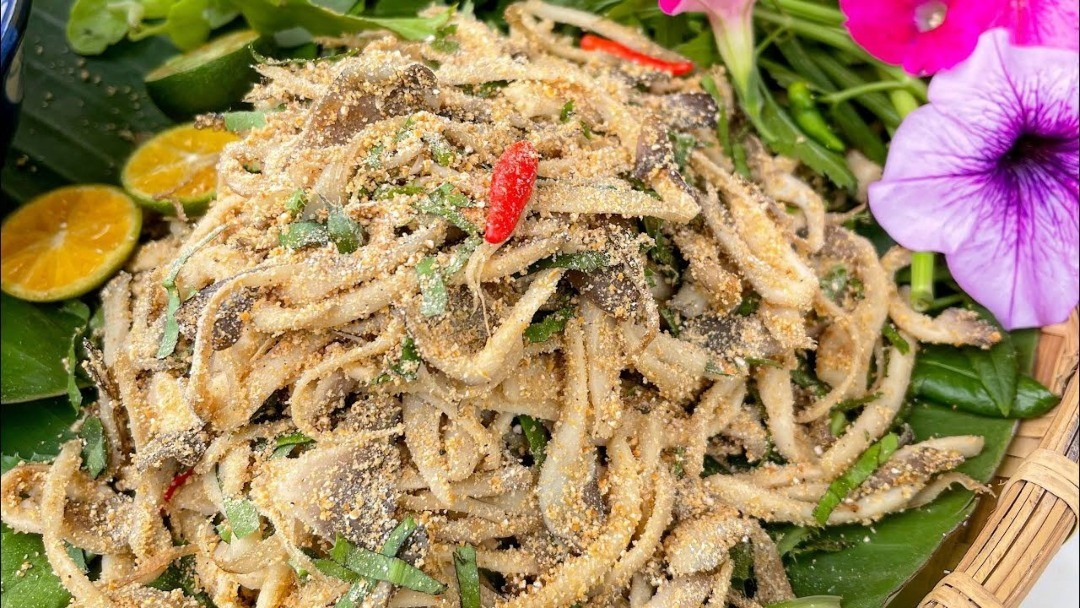
Many places also take advantage of An Giang brown rice, Central Highlands forest vegetables, Lang Son mushrooms, Mo village tofu … to enhance the experience, both reduce transportation costs, and make a different impression from imported vegetarian dishes
Mr. Minh Quan, managing an Asian – European restaurant on Nguyen Thai Hoc Street, said: “The family group of vegetarians or international visitors has increased rapidly. Since the addition of Plant -Bas, our revenue increased by about 15% monthly.”
A Chinese pub in Khanh Hoi ward (Ho Chi Minh City) managed by Ms. Kim Ngan boldly put vegetarian food into the menu of the full moon and the first day. “Customers receive very positively. The revenue of those days appears to be equal to three days of selling salty food,” Ngan shared. This is a sign that the boundary between “vegetarianism” and “salty food” is fading, when consumers come to vegetarian dishes because of their appetite and healthy, not just because of beliefs.
One of the most obvious evidences for this trend is the Kitchen countryside. According to the article of Guide Michelin, Kitchen’s hometown has “recreated Vietnamese dishes with modern vegetarian features” blending with local products that are both familiar and strange for customers. It is this combination that helps each dish not only delicious but also tells the story of the region and people of Vietnam.
In addition, at major tourist destinations such as Da Nang, Phu Quoc, Da Lat …, the explosion of international visitors makes vegetarian dishes no longer a secondary choice. Models such as Roots Plant-Based Café (Da Nang), Vegan Zone or Am Vegetarian
Not only the menu, many restaurants and cafes also invest in “green” space such as: using recycled materials, limiting disposable plastic, planting indoors and taking advantage of natural light.
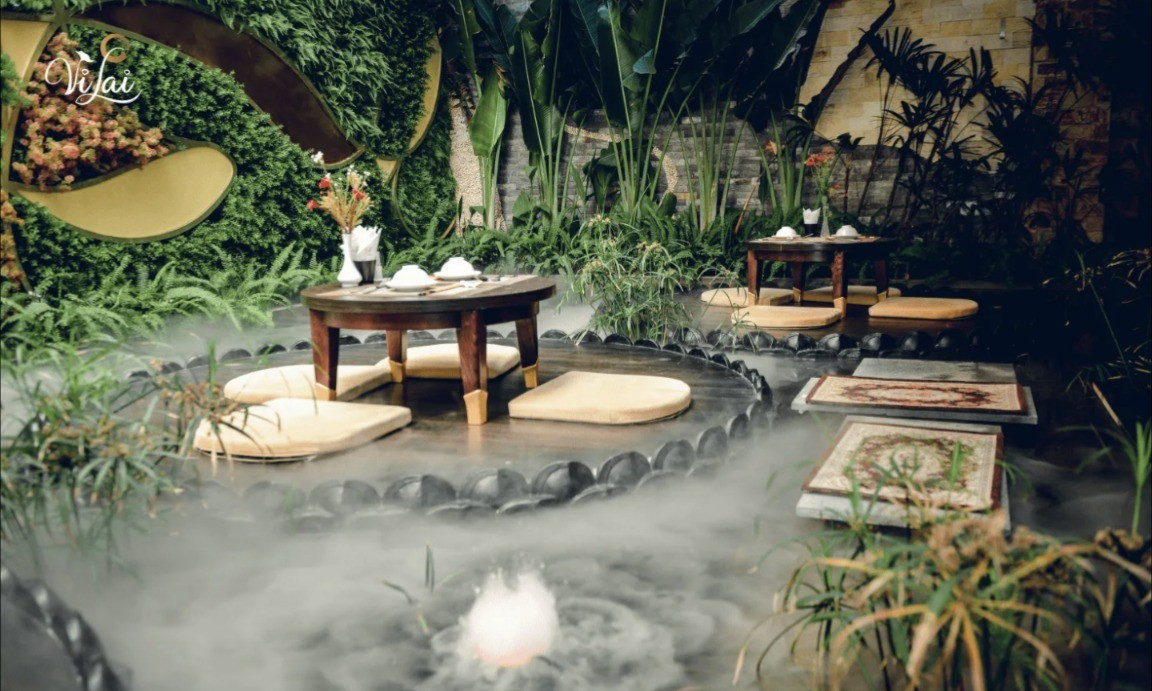
These factors make the vegetarian experience more complete, not only delicious but also healthy for the mind and environmentally friendly.
It can be seen that Vietnamese vegetarian cuisine not only quickly caught the global trend, but also confidently created its own identity through the combination of local raw materials and creative processing style. The intersection between tradition and modernity gives diners a variety of experiences, from familiar dishes that are “refreshed” to unique and unforgettable creations. Whether they are Vietnamese or international visitors, anyone can explore and enjoy the typical flavor and quintessence of Vietnam – where each dish tells a story about the land, people and native culinary culture.