
 English
  Tiếng Việt
 日本語
日本語The Ministry of Culture, Sports and Tourism consolidates regulations on civilized lifestyles in weddings, funerals and festivals
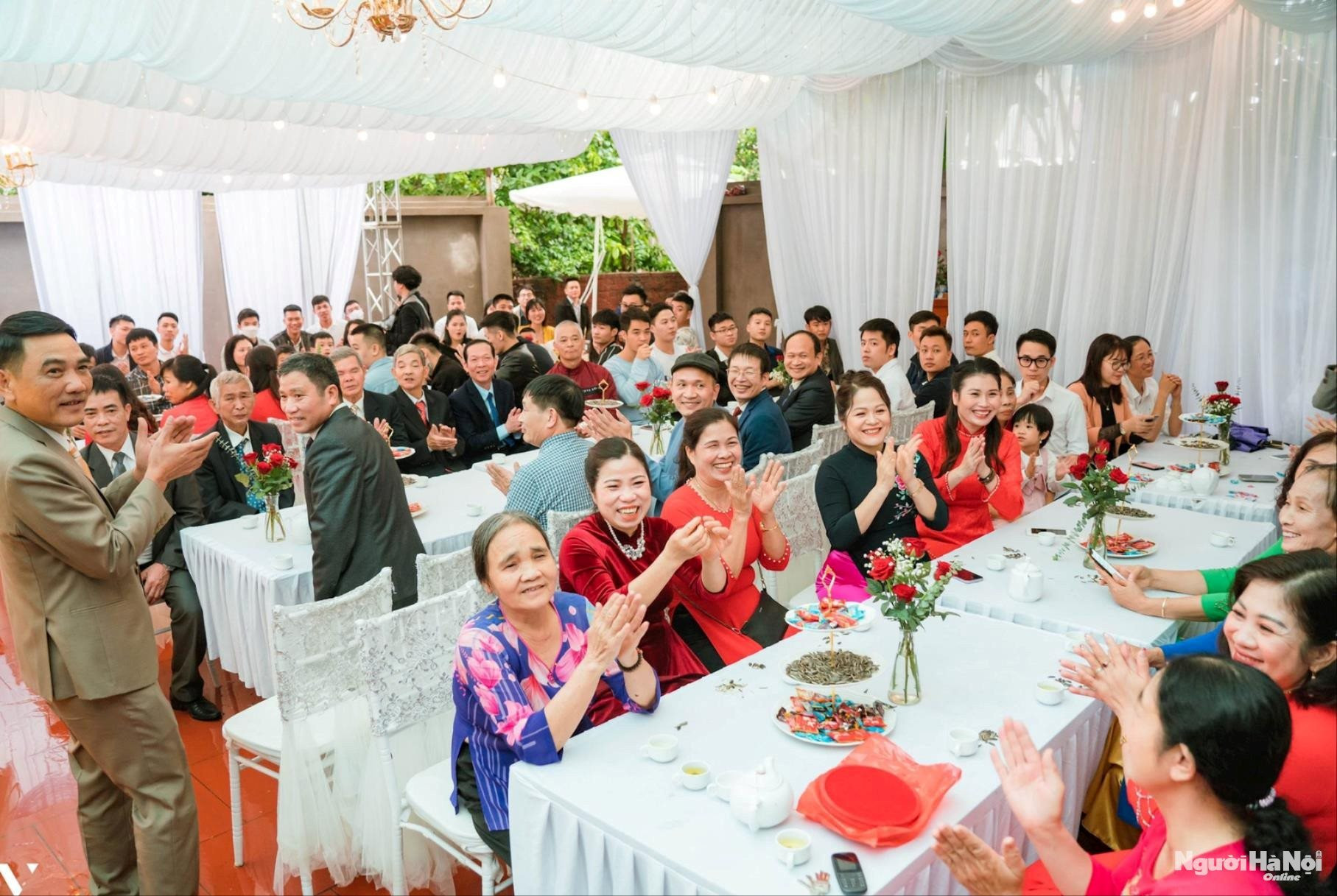 On September 21, 2026, Deputy Minister of Culture, Sports and Tourism Trinh Thi Thuy signed and issued Consolidated Document No. 5/2026/VBHN-TT-BVHTTDL on implementing a civilized lifestyle in weddings, funerals and festivals.
The document is built on the basis of consolidating Circular 04/2011/TT-BVHTTDL with the contents that have been abolished and adjusted in Circular 30/2018/TT-BVHTTDL and Circular 05/2019/TT-BVHTTDL.
According to regulations, organizations and individuals when carrying out activities related to weddings, funerals and festivals must ensure the preservation of traditional values in accordance with the nation’s fine customs and traditions, while eliminating superstitious acts or taking advantage of events to cause disunity in families, clans and communities.
Organized activities must not affect order, traffic safety and public security. Any form of organizing or participating in gambling is strictly prohibited.
The document also stipulates that the agency’s working time, property or public vehicles are not to be used to attend weddings, funerals or festivals, except for units performing assigned tasks. Using public funds for wedding or funeral gifts is also not allowed.
For weddings, activities must comply with the provisions of law on marriage, family and civil status registration. Marital relationships are recognized by law after both parties complete marriage registration procedures at the People’s Committee of the commune, ward or town where one of them resides.
After completing the procedures, the commune-level government will issue the Marriage Certificate according to regulations.
Wedding ceremonies, whether held at home or at service establishments, are required to be solemn, economical, healthy, and suitable to the family’s economic conditions as well as local customs, culture and religion.
Traditional rituals such as engagement, engagement, and bride procession are encouraged to be organized compactly, limiting ostentation, cumbersomeness, and avoiding placing heavy demands on offerings.
The decoration of the wedding ceremony and reception should be done simply; The costumes of the bride and groom need to be beautiful and polite.
Music at weddings can only be used between 6:00 a.m. and 10:00 p.m. and must comply with State regulations on noise.
The law also encourages civilized forms of organization such as using wedding newspapers instead of invitations, organizing tea parties or sweet parties, not using tobacco, and promoting the supporting role of organizations and unions.
Some socially meaningful activities such as offering flowers at memorials, planting souvenir trees or using traditional national costumes are also encouraged.
For funerals, health, environmental hygiene and civil registration requirements must be met.
The family of the deceased is responsible for organizing the funeral or coordinating with the Funeral Committee. In case the deceased has no relatives, the Commune People’s Committee is responsible for coordinating with organizations and unions to organize a thoughtful funeral.
Funerals must be conducted solemnly and economically, limiting unnecessary procedures and eliminating superstitious practices. The burial and embalming of the body must comply with the hygiene requirements prescribed by the Ministry of Health.
Funeral clothes and flags are carried out according to custom or religion, but funeral flags can only be hung at the funeral venue.
Mourning music can only be used during the hours from 6:00 a.m. to 10:00 p.m. with a volume that meets current standards. For people of religious or ethnic minorities, funeral music forms suitable to customs and beliefs can be used.
Regulations strictly prohibit the scattering of Vietnamese or foreign currency on the funeral route. The deceased’s body must be buried in a cemetery in accordance with the planning.
In cases where the deceased is an officer, civil servant, or member of the armed forces, the funeral organization process must also be carried out according to the Government’s own regulations for each subject.
The State encourages organizing weekly worship ceremonies, first and last death anniversaries within the family in a compact and economical way.
Forms of cremation, electric burial and one-time burial are also encouraged to save land and ensure environmental hygiene.
Bad customs such as casting spells, exorcisms, crying for money or sprinkling votive papers on the funeral path are required to be eliminated.
For the construction of graves, organizations and individuals must comply with the standards of the Ministry of Construction, and aim to organize the cemetery space in a civilized way, in accordance with planning and with memorial value.
PV