
 English
  Tiếng Việt
 日本語
日本語Ochugen
1 Ochugen – an important gift in Japan
1.1 Origin of Ochugen ceremony
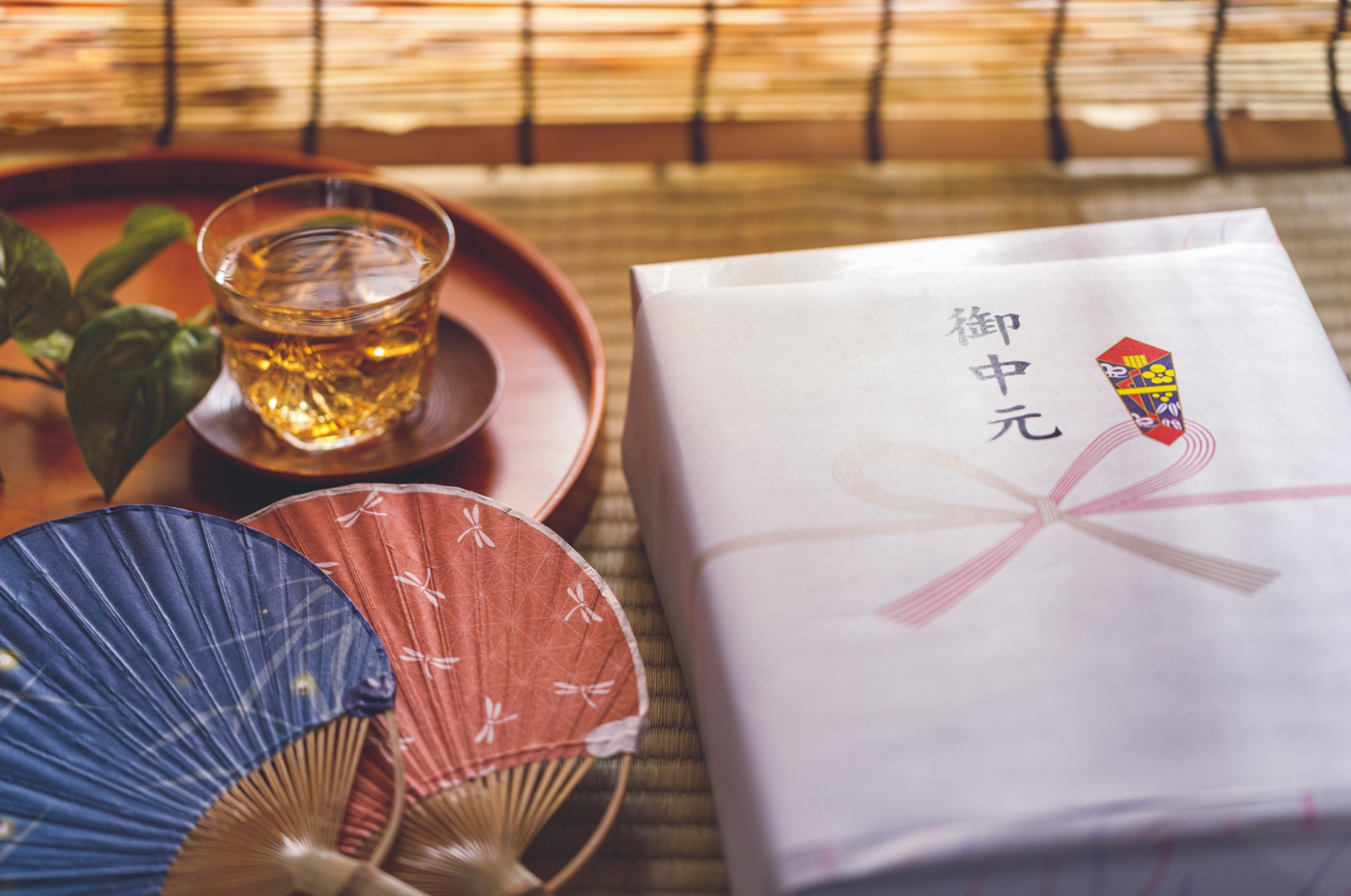
Ochugen is a holiday originating from China. Since ancient times, Chinese Taoism has three holidays, 上元 (Jōgen), 中元 (Chūgen) and 下元 (Kagen). In particular, Chugen day or July 15, considered the birthday of the god will forgive all the sins of the people. To thank the gods, the Chinese began to celebrate by offering gifts on this day. The event was later imported into Japan and combined with the local culture 盆礼 (Bonrei), which was a culture of visiting and giving gifts to parents and relatives in the Bon Festival.
1.2 Ochugen activities
Different areas will give Ochugen at different times; In early July to July 15 in eastern Japan and in early July to 15 August in Western Japan. But most will send this gift in July.
If it is impossible to send gifts during Ochugen, gifts must be sent in the form of “Shochu-mimai” (暑中見舞い) before August 8, or “Zansho-Mimai” (残暑見舞い) in early September. Both Shochu-Mimai and Zansho-Mimai are interested in relatives, acquaintances or friends about their situation in the summer.
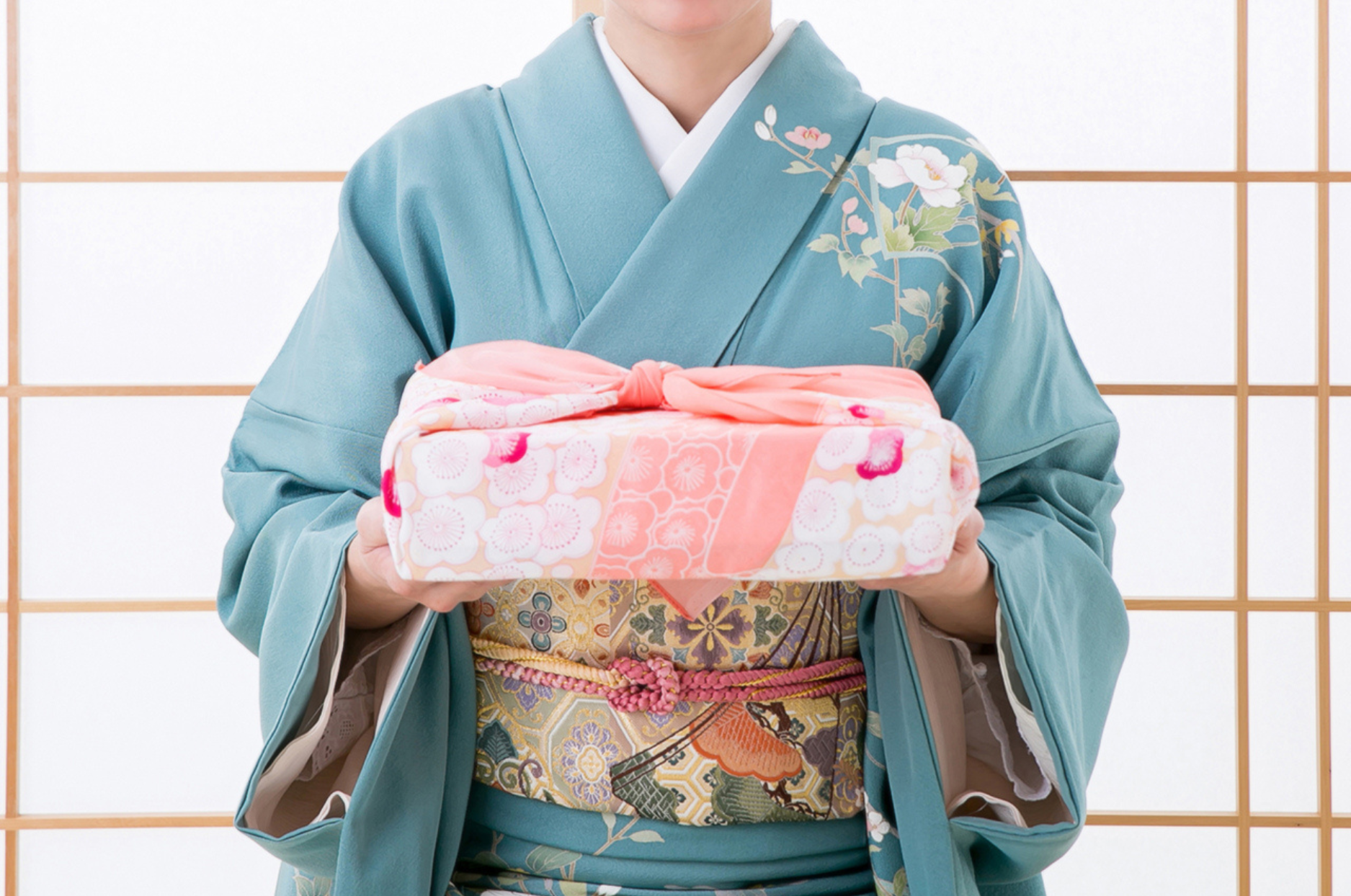
Traditionally, people give gifts to family elders and senior members of society who helped them that year. Parents, grandparents, doctors, teachers, and bosses are often the recipients of these gifts. However, today, people will express gratitude to anyone who has helped or supported them.
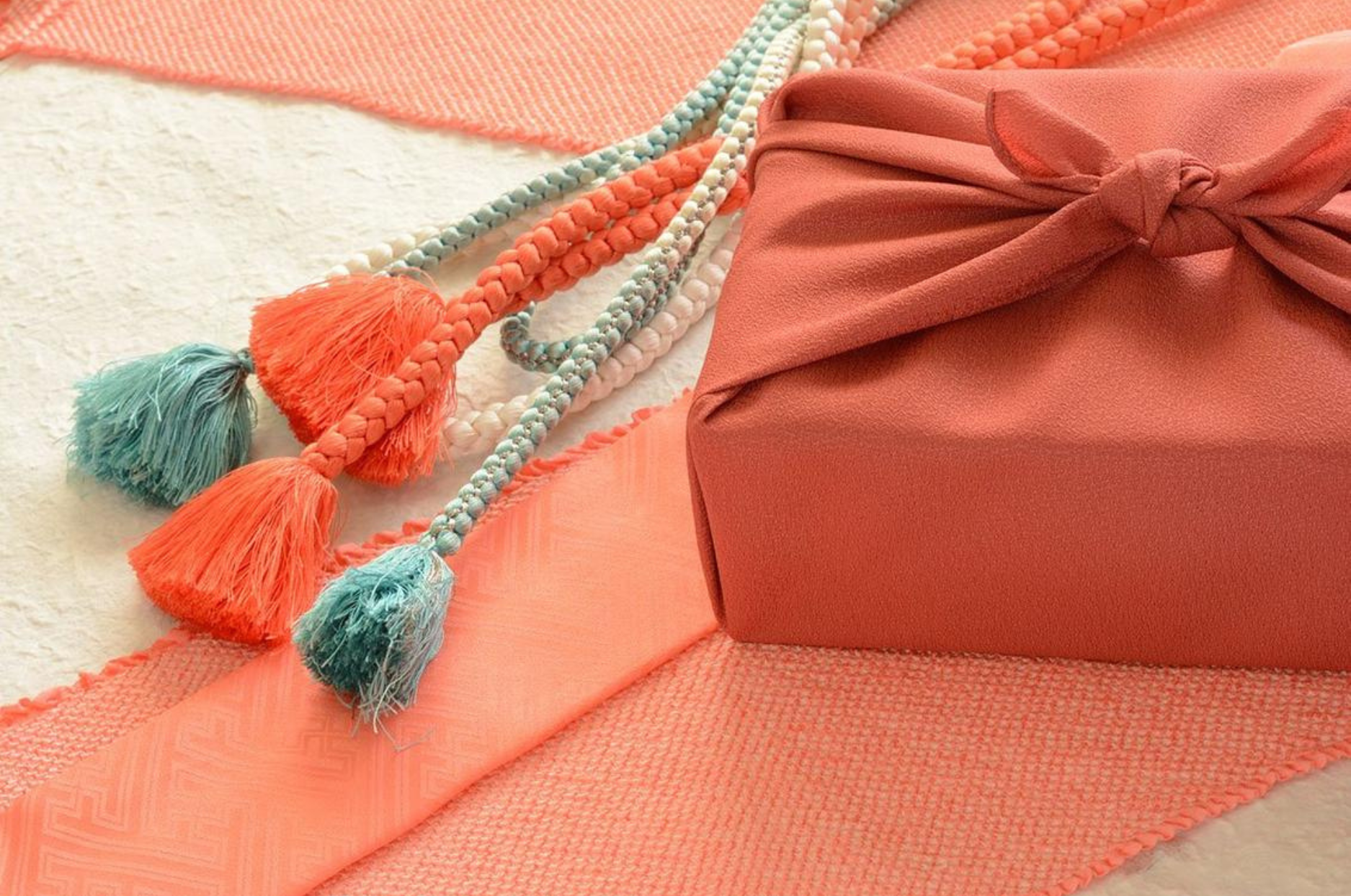
Ochugen gifts also need to be wrapped beautifully. Many people even wrap their gifts in traditional Furoshiki – a fabric used specifically to wrap gifts – to express their feelings to the recipient.
2 Oseibo – Meaningful year -end gift culture
2.1 Where the Oseibo ceremony comes from
Although Ochugen and Oseibo are similar, there are still some differences. The first is about history.
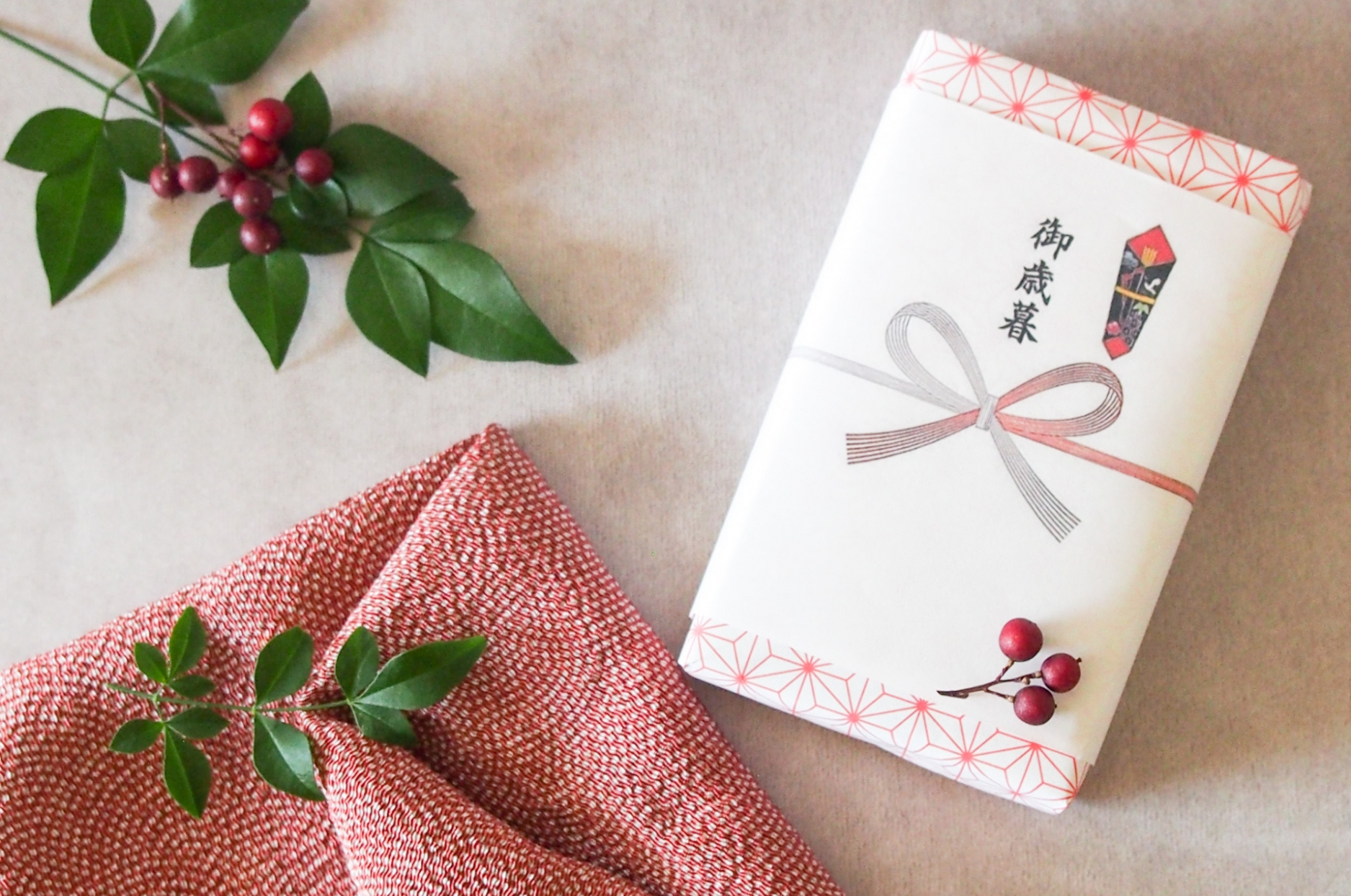
Oseibo is said to originate from the Muromachi period. The Kagen Day mentioned above is October 15, which in China is considered the birthday of the god who drives away evil spirits. And similar to Chugen day, ancient people offered offerings to express their gratitude to the gods. At the same time, Japanese people also have the custom of offering offerings on New Year’s Eve to the gods and ancestral spirits as a thank you to neighbors and homeowners at the end of the year. This may be related to the Chinese Kagen Day Event that started the Oseibo culture.
2.2 Tradition in Oseibo
Oseibo tends to be a bit more popular than Ochugen because it takes place at the end of the year. This will be the time when people look back and reflect on the past year. To show gratitude to those who have helped them in some way, Oseibo gifts are given. This activity usually takes place from late November to around December 20.
Oseibo culture is also popular in businesses. Many Oseibo gift companies, suppliers and other important relationships to help strengthen their relationship.
Similar to Ochugen, the Oseibo gift is wrapped in “Noshigami” when displayed. Noshigami is a piece of paper used for gift wrapping on holidays. A ribbon is printed in the middle and the word “Oseibo” is written in the upper half and the recipient’s name is written in the lower half.
3 Some holiday gift suggestions in Japan
While you should choose gifts for both Ochugen and Oseibo that best suit the recipient, there are some things you should always avoid. For example, products that sound like or include the numbers 4 and 9 are taboo because these words sound like the Japanese word for death. Knives are also avoided due to their symbolism of cutting and separation. Similarly, stationery and items such as watches that represent work are also not given during these seasons.
In fact, Japanese people today often choose Sanchokuhin or local specialties.
3.1 Ochugen gifts
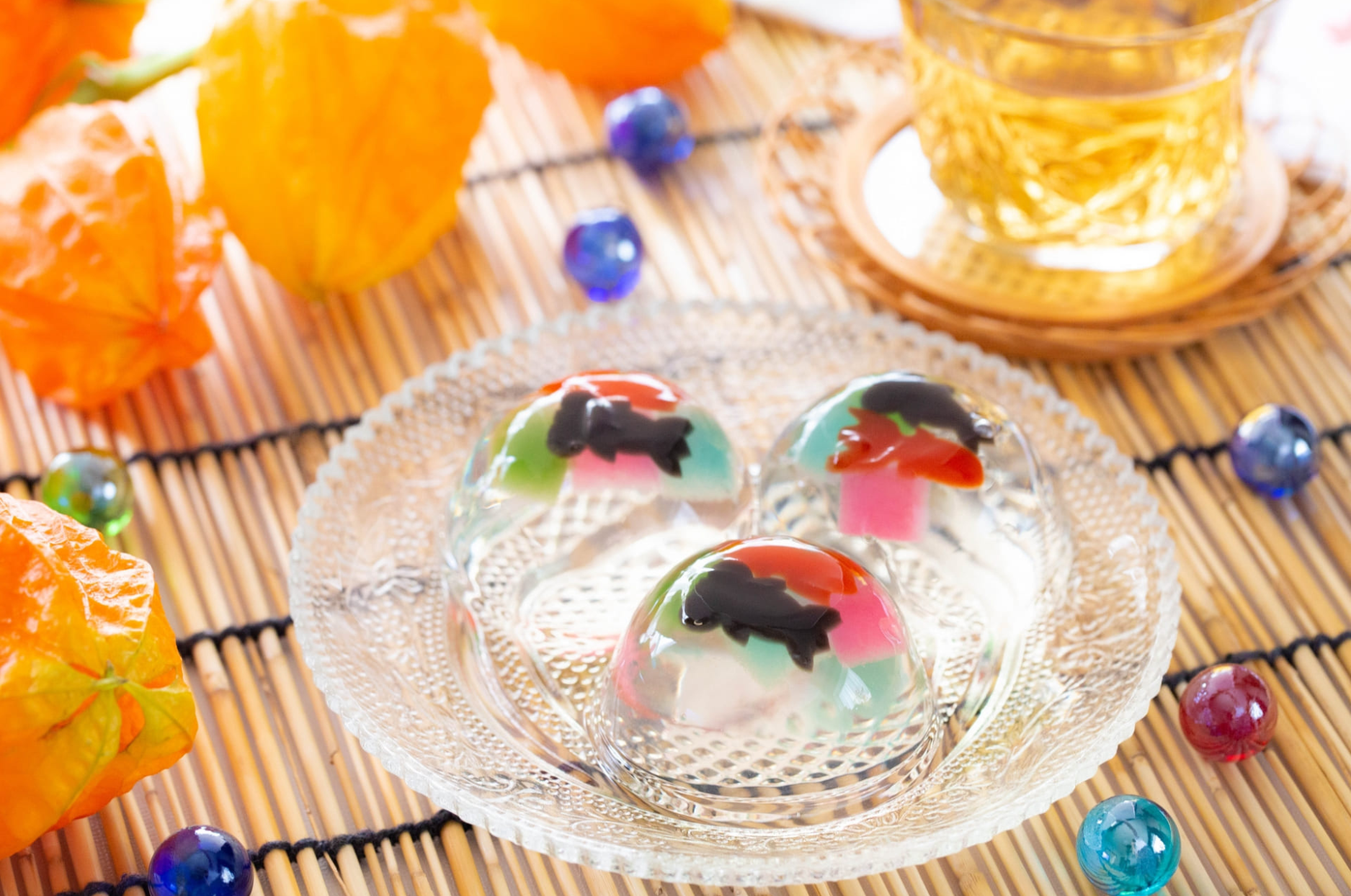
Fruit jelly
Jelly is the perfect sweets for Ochugen in Japan. They have a great taste and bring a cool, ideal feeling in the hot summer here.
Beer
Alcohol is also often chosen as a gift in the middle of the year. Many Japanese beer brands sell their beer under the name Ochugen. For many Japanese people, nothing is better than enjoying a cup of fresh beer on a hot summer night or after work.
3.2 Give gifts Oseibo
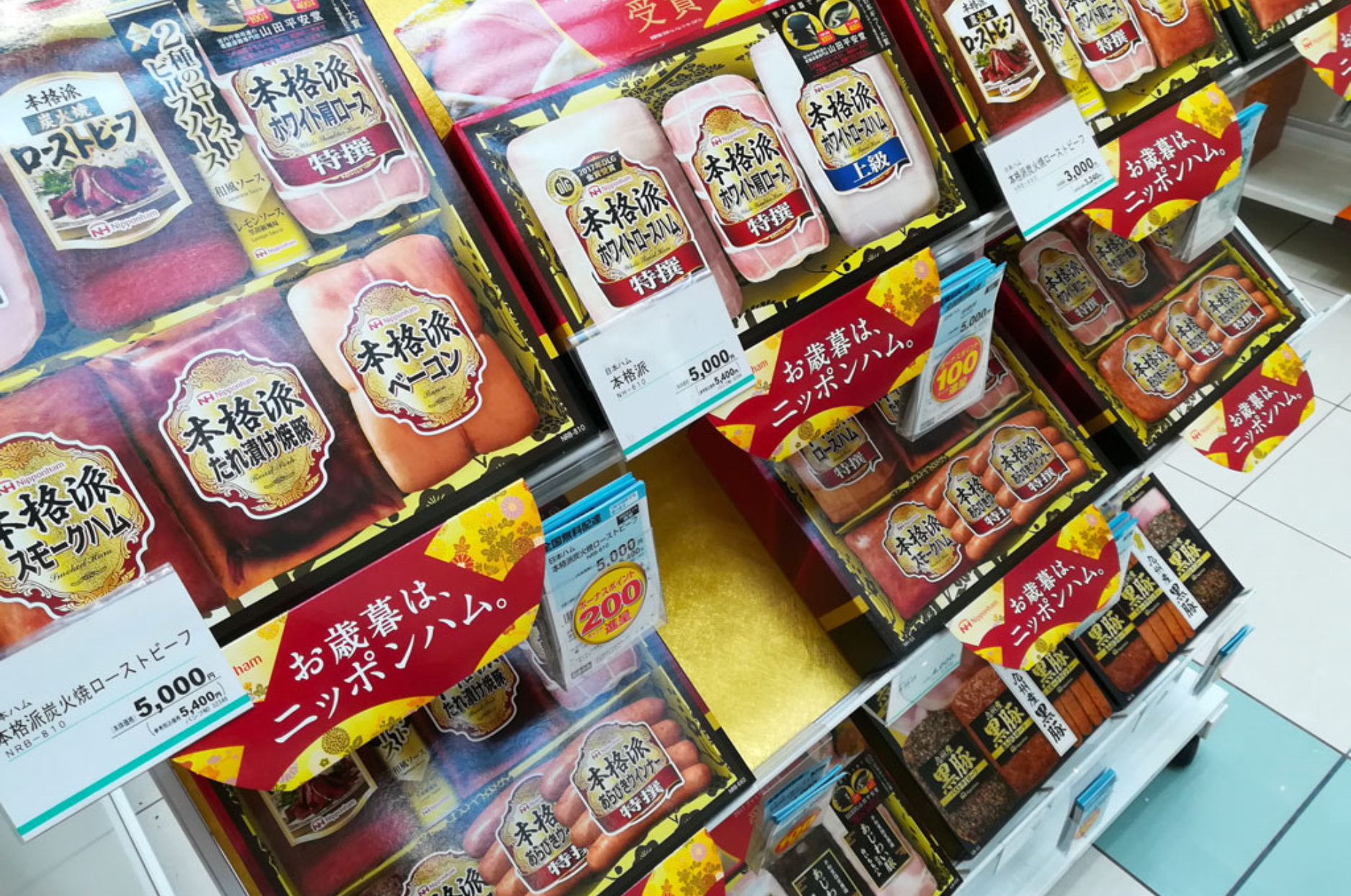
Chill
Gifts such as ham, sausage, and bacon are popular Oseibo gifts because they are easy to preserve for a long time and can be used in many dishes. They can also be a great winter side dish when added to stews with a variety of vegetables.
Hot pot
One of the most popular dishes in the cold winter in Japan is Nabe (hotpot). Eating nabe is a great way to heat the body immediately. Therefore, the gift set including sauce and hotpot ingredients is also a common gift. There are many different types of hotpot, such as Motsu Nabe, Fugu Nabe, Shabu Shabu and Sukiyaki.
Conclude
In the above article, USSINA has learned about the culture of giving gifts to Ochugen and Oseibo of Japan. This is really a good tradition and bringing people closer together. If you have a close Japanese friend, try it surprised by the “Ochugen” or “Oseibo” gift.