
 English
  Tiếng Việt
 日本語
日本語Kyoto red leaf season
Referring to Japan, many people often think of cherry blossoms. But the land of the rising sun not only has a symbolic flower of spring. For many people, the autumn maple leaf in Kyoto is the most beautiful season of the year in Phu Tang country. That was when the ancient temple roofs were put on a new “coat”, mossy but no less brilliant.
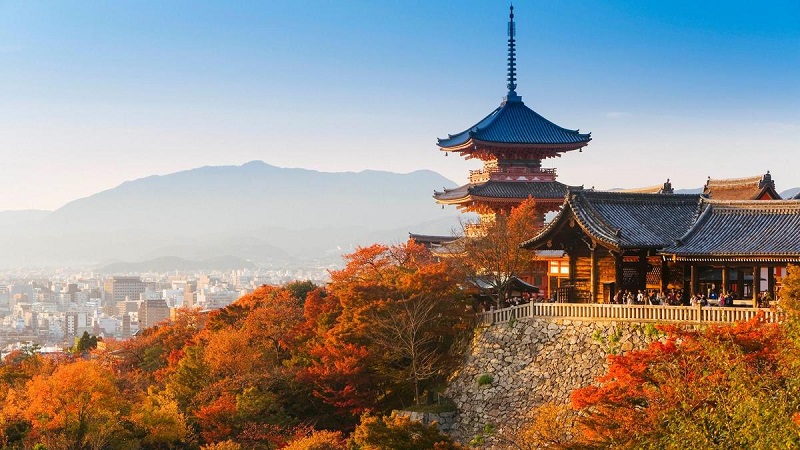
The Japanese call the maple tree Momiji and are written as “Hong Diep” in Han. A special feature of Japanese maple trees is that the leaf color can be converted with weather changes and only discolored when the weather became cold quickly. Therefore, Japanese people often choose to use maple trees as one of the main factors for garden design. In the middle of October to November, the maple trees in Kyoto will enter the leaf changing season, gradually turning from yellow to bright red. If you have the opportunity to travel to Kyoto around this time, you will definitely have to feel overwhelmed by this brilliant beauty of the ancient capital.
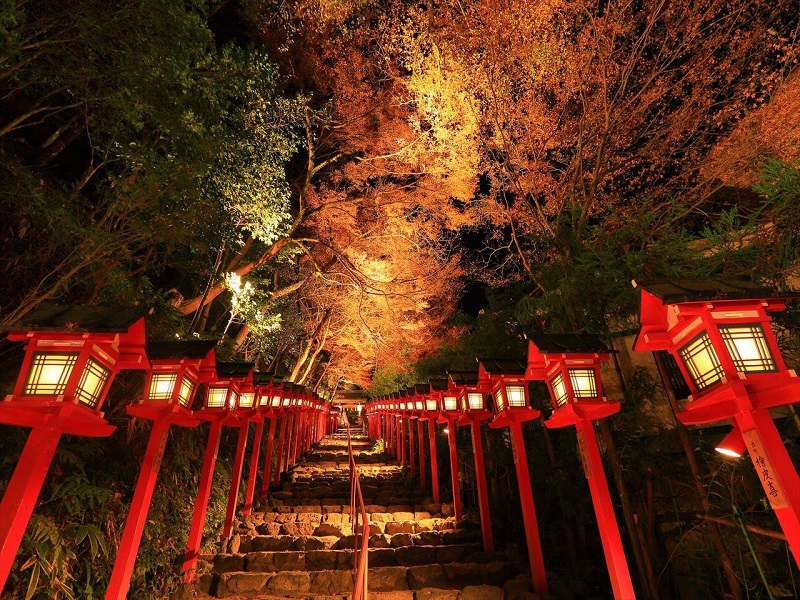
But Kyoto in autumn not only has red maple trees. When the weather started to get cold, the ginkgo leaves were gradually moving from green to bright yellow and changing the face of Kyoto’s big streets. To fully enjoy that beauty, you will definitely have to visit the garden designs, the art of planting bonsai trees is decorated extremely solemnly in Buddhist temples and god temples. This is also one of the most famous tourist landscapes in Phu Tang. Visit and admire the temple in Japan is not for religion or faith but because only here you can enjoy the unique art and Japanese culture.
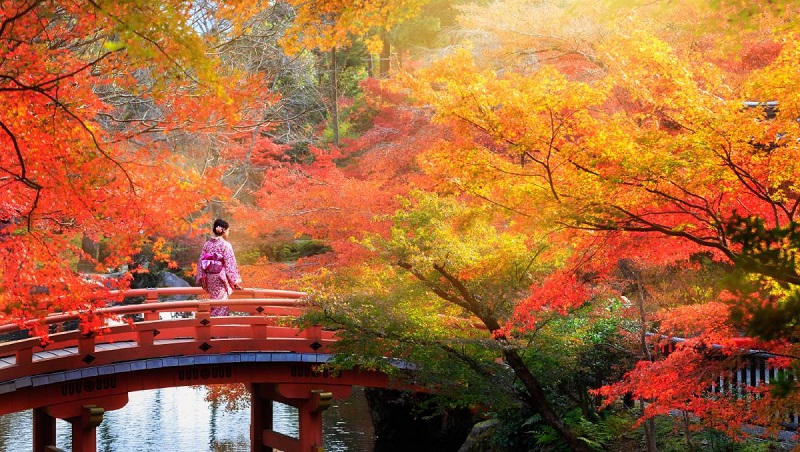
Located east of Kyoto Train Station is a “philosophical path”. Walking along this road, you will come across hundreds of large and small temples. There are famous temples in Japanese Buddhist history, used to be the place where Zen masters rest and preach. For those who like the art of garden paintings, take photos or need an open space to calm down and expand more knowledge, the “philosophical path” will be a place where you can hardly ignore.
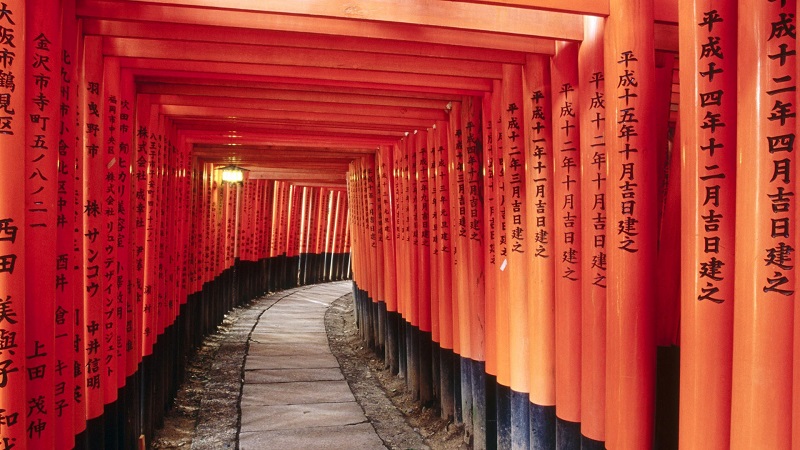
Come to Kyoto, do not be afraid of lost! Right at the Kyoto main station, on the second floor there is a whole Tourist Information Office instructing visitors very detailed and meticulous. There are also full maps of the city, showing you how to take buses and trams. Perhaps the most difficult thing is not to move in Kyoto but the choice of places to visit and enjoy on a short trip.