
 English
  Tiếng Việt
 日本語
日本語Japan Light Festival – When winter is brighter than fireworks
The magical beauty of the Japanese light festival
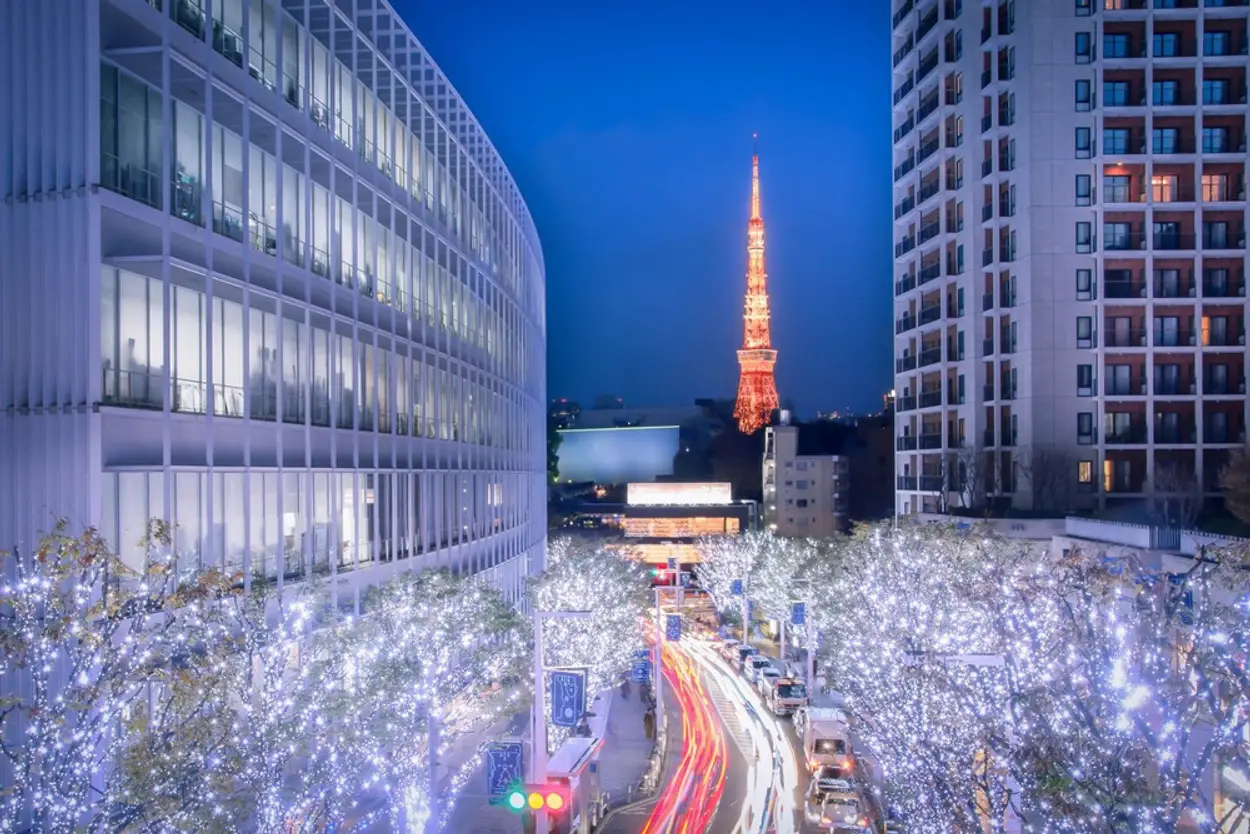
Winter Tokyo shines brightly throughout the streets, sparkling lights reflect on the roofs, walkways… No place is the same, Winter Illumination in Japan is the intersection of tradition, technology and art. From November to February, cities such as Tokyo, Osaka, Kyoto, Nagoya is good HokkaidoAll host spectacular light shows. It is not only an outdoor performance but also a story told by light: love, festivals, and joy of reunion are all expressed through the sparkle of millions of light bulbs.
Top Japanese light festivals that stand out in winter
1. Nabana no Sato – Japan’s “Heaven of Light”.
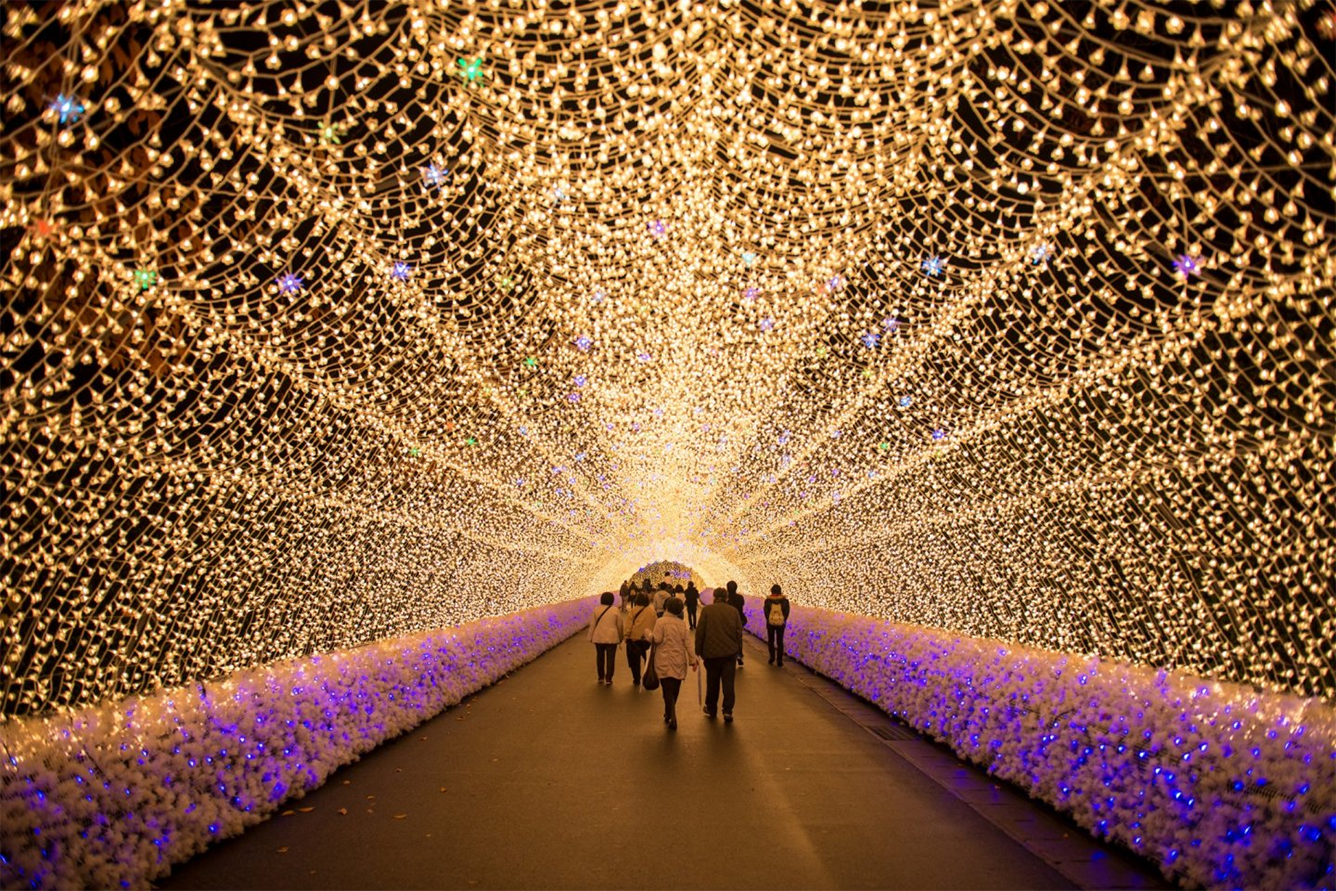
Nabana no Sato, in Mie Prefecture, is a place always mentioned for the splendor of more than 8 million LED lights. From recreating nature, flower fields to the starry sky, every detail seems to take you into a fairy tale world. The light tunnel is more than 200 meters long, melodious music resounds everywhere at night. This is a place that makes anyone who visits want to stop for a long time to enjoy
2. Kobe Luminarie – Light of hope and remembrance
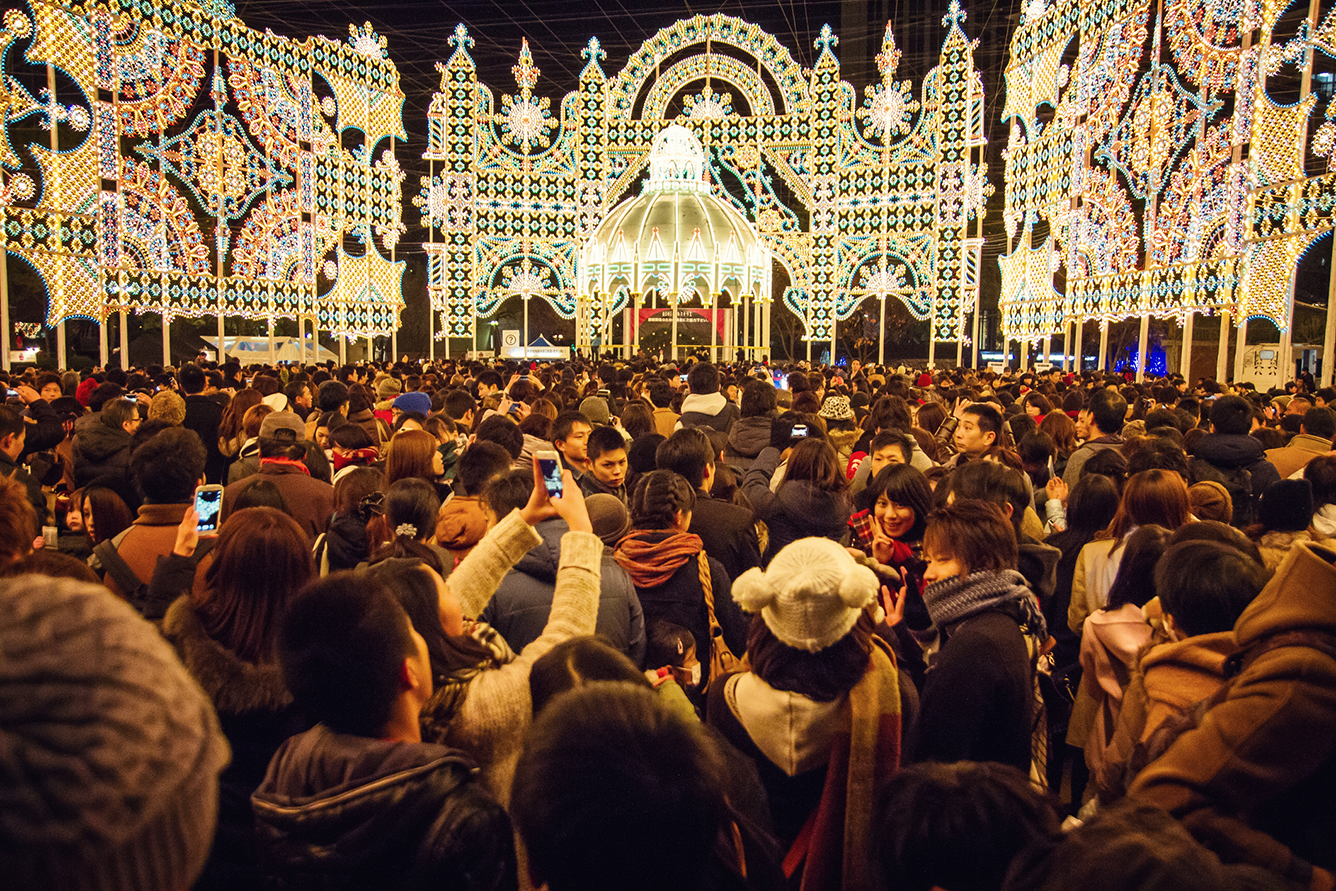
Born after the 1995 Hanshin earthquake, Kobe Luminarie is not simply a festival but a symbol of recovery and faith. European-style light domes, shimmering colored lights, and a space that is both magnificent and solemn make viewers feel both remembered and comforted. The light here seems to say that after darkness comes warmth, a strong belief in life again
3. Tokyo Midtown and Shibuya Blue Cave – Magical blue in the middle of the capital
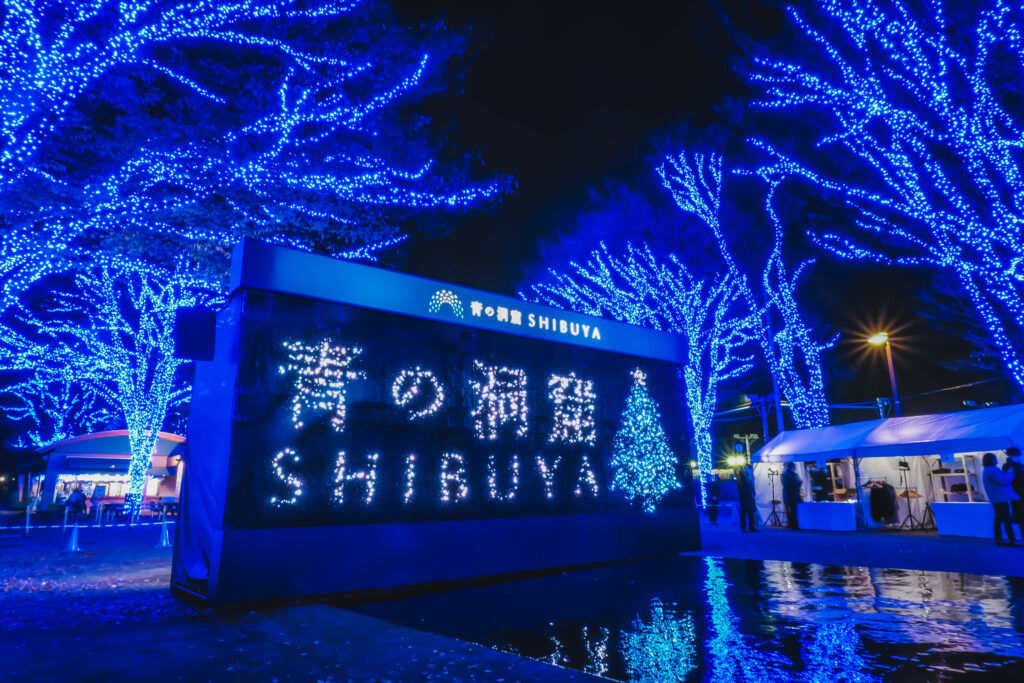
Tokyo Midtown, Shibuya Blue Cave and Roppongi Hills each have their own style. Blue Cave (Aoyama) stands out with rows of trees on both sides of the road covered in cool blue light, creating a romantic road in the middle of the capital. Walking under the blue light, you will feel the festive Christmas atmosphere with every breath of wind, every window frame or shadow of people passing by.
4. Osaka Hikari Renaissance – When art meets technology
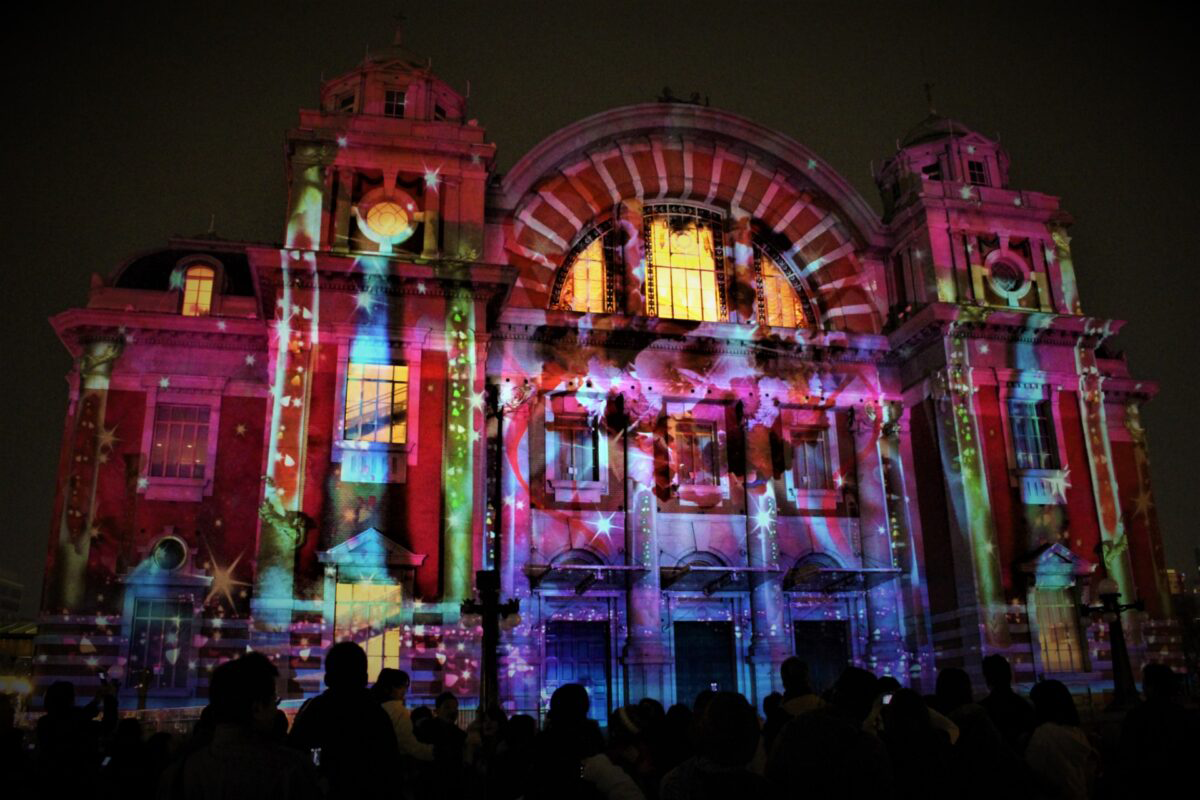
In Osaka, the Nakanoshima Park area becomes a light stage with “soul” in winter. Osaka Hikari Renaissance Festival combines light, sound and 3D mapping projection – the theme frequently changes, creating something new every year. This is the ideal place to walk, take photos, or simply sit quietly and watch the light change through each composition.
5. Sapporo White Illumination – Light amidst the romantic white snow
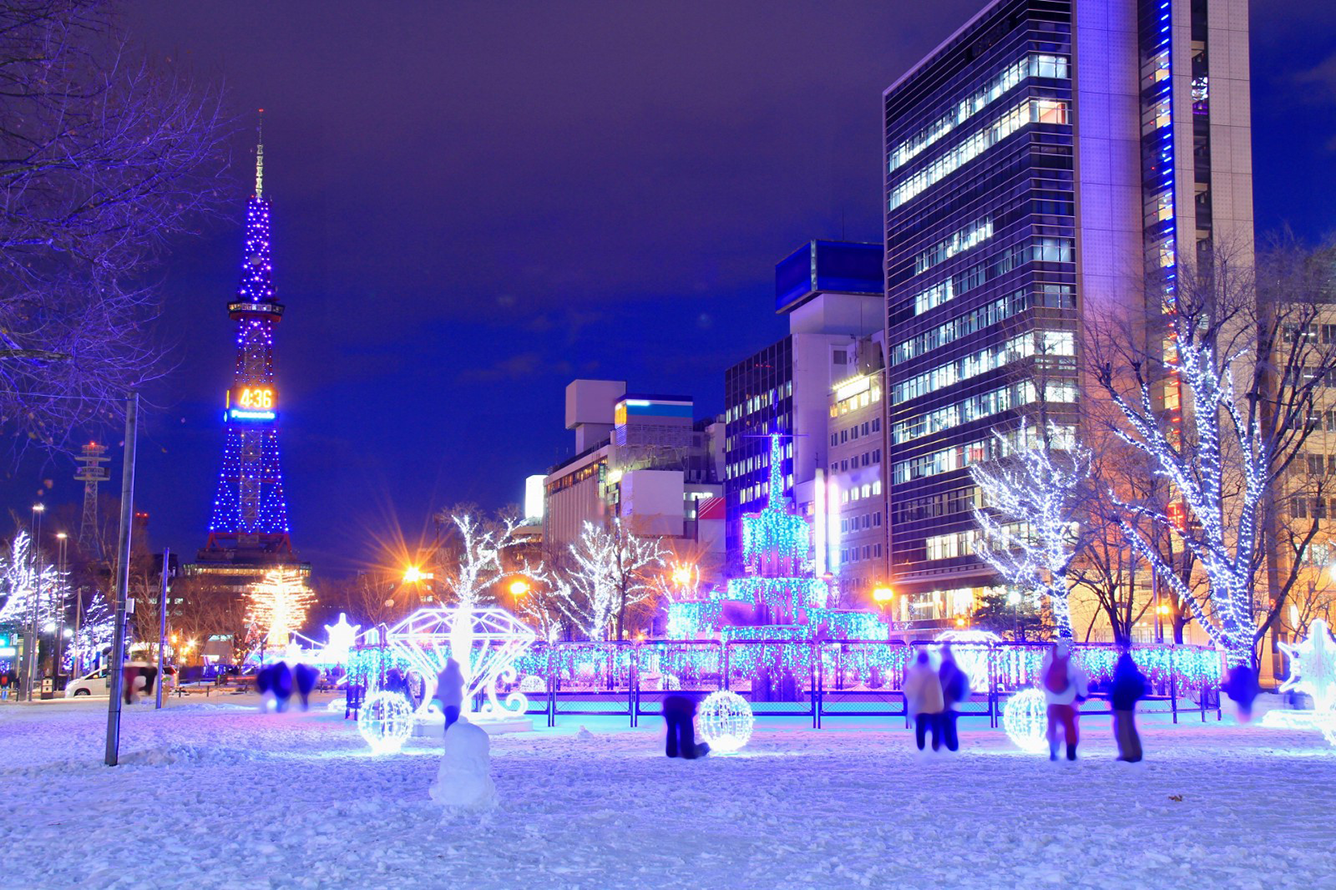
Cannot be mentioned Japanese winterwhich ignores Sapporo White Illumination. Odori and Susukino streets are brilliant with thousands of decorative lights as snow covers this place and that place. The light reflecting on the white snow creates a romantic, dream-like scene – where winter is not only cold, but also has sparkling light, smiles and a warm feeling from the resonance of nature and lights.
Experiences not to be missed when attending the Japanese light festival
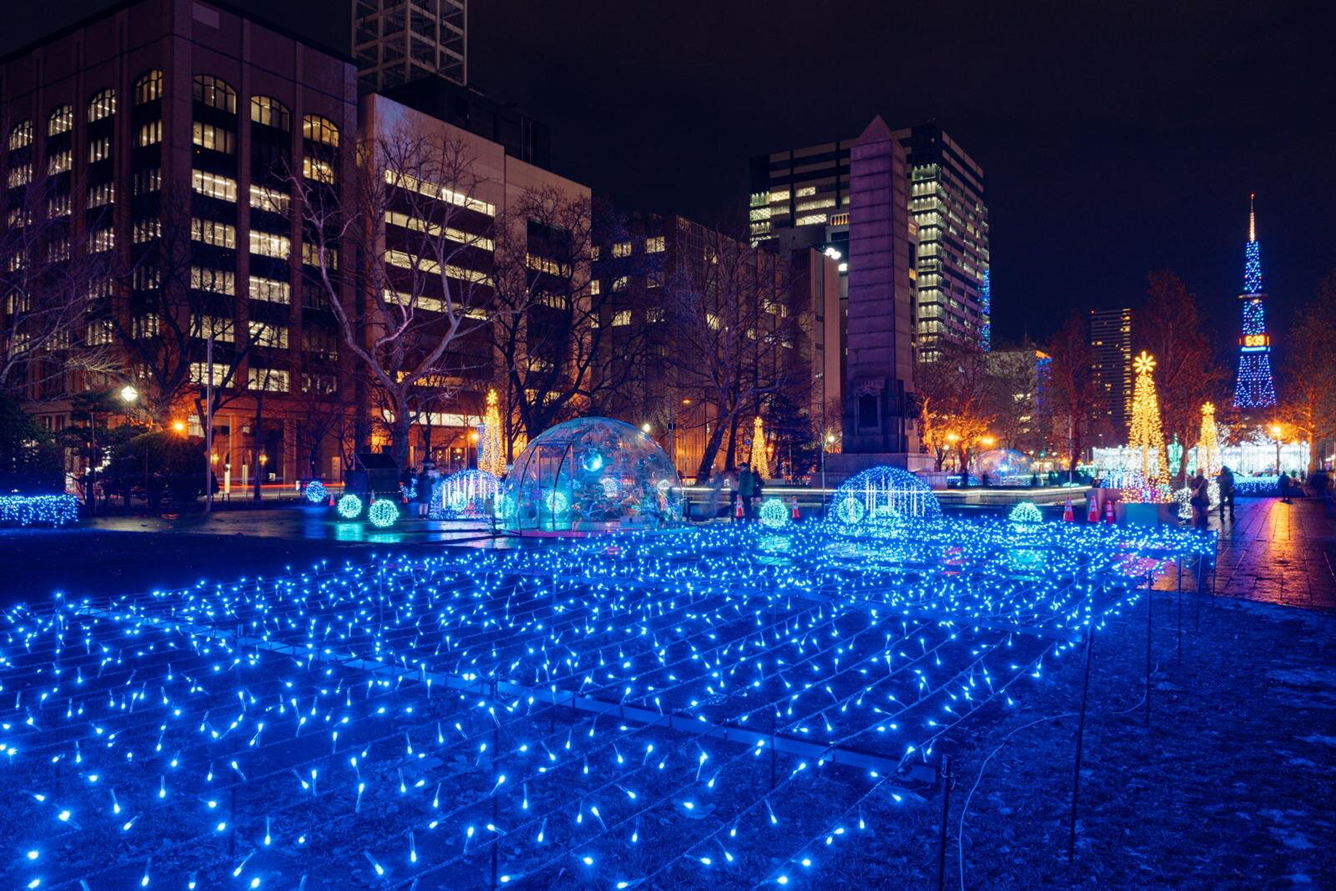
- Winter cuisine: get drunk on the warm flavor of steaming oden, hot takoyaki on the roadside, or a warm glass of sake… each location has its own food court, allowing you to watch the lights while enjoying the entire holiday season.
- Check-in and take photos: Every little corner is an opportunity for a “million like” moment from the tunnel of lights, the tree covered with blue light, to the reflective white snow background, and a camera or phone with beautiful night photography is your companion.
- Shopping and festivals: Shopping malls around the festival area often hold discounts and Christmas decorations. Here you can combine sightseeing, buying gifts and enjoying the typical atmosphere of the festival.
Experience to make the Japanese light festival journey complete
- The best time is from late November to early February to experience Winter Illumination when the weather is both cold and pleasant.
- Prepare warm clothes: thick coat, gloves, scarf, because Japanese winter nights are often colder than you think.
- Travel between cities: use JR Pass if you plan to go to many places to save money and be more convenient.
- Arrive early: avoid crowds and choose a good location to take photos or enjoy the clear light.
- Always bring a camera or phone with a good low-light mode, because yellow light, LED lights and snow will challenge your device.
The Japanese Light Festival is not just a winter event, but an emotional journey – transforming light, telling stories with lights, creating an atmosphere of unity, creativity and hope.