
 English
  Tiếng Việt
 日本語
日本語Discover some unique spices in Japanese cuisine
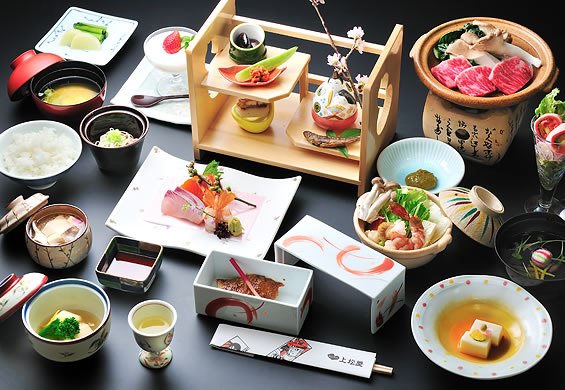
Dashi
Dashi (also known as “broth” by the Japanese) is a solution made by stewing to extract sweetness from meat, vegetables, mushrooms or seaweed. Dashi is rich in amino acids, especially glutamine and nucleic acids, which have high nutritional value.
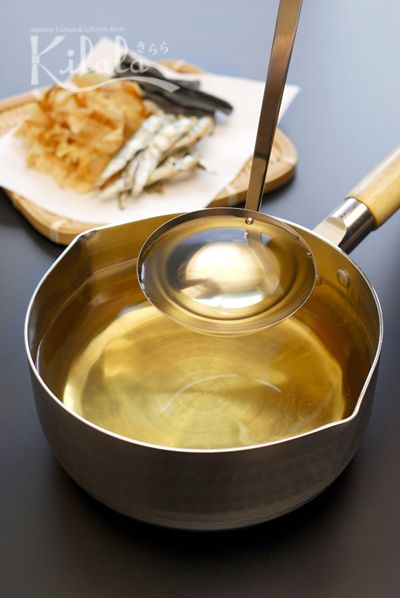
Dashi is considered the soul of Japanese cuisine
Dashi is usually sold in bottles and can be purchased in supermarkets/Japanese goods stores. You can also cook your own broth at home with ingredients such as dried fish, seaweed, mushrooms, vegetables… depending on your preference.
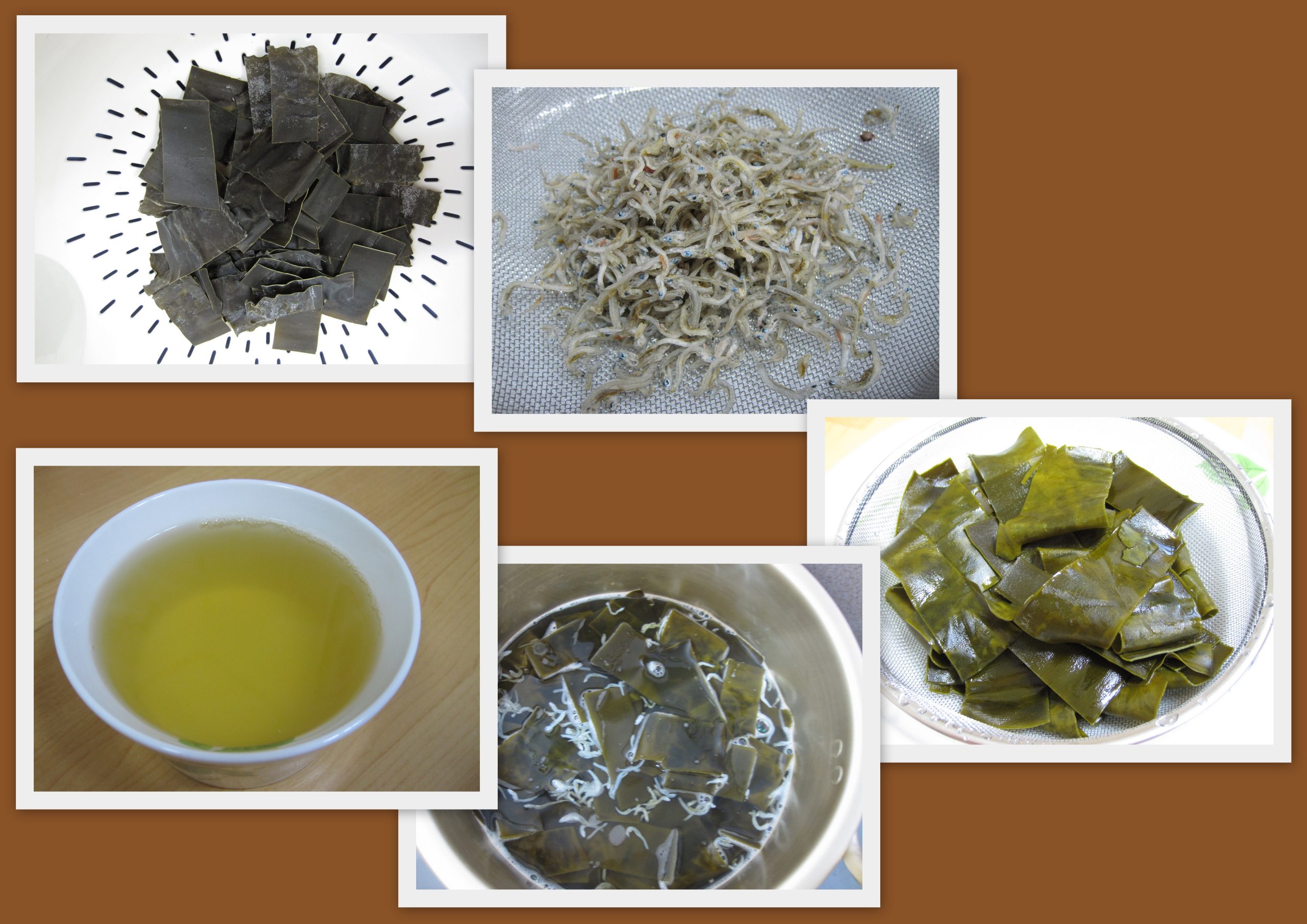
How to cook dashi from seaweed and anchovies
Mirin
One of the typical and special spices of the Japanese is mirin – a type of wine often used in cooking. Mirin is a type of wine made from fermented malt, rice and sticky rice, has a sweet taste due to sugar, and has an alcohol content of less than 1%.

Mirin highlights the freshness and purity of dishes
Mirin is used to marinate foods to increase the natural sweetness of dishes, help absorb spices quickly, prevent dishes from breaking, eliminate fishy odors, and help braised and grilled dishes have more beautiful colors.
Miso
Miso soy sauce plays a very important role in Japanese cuisine, associated with the cultural and historical values of this country. Miso paste is rich in protein, vitamins and beneficial bacteria for the intestines because it is made from fermented soybeans, rice and barley, mixed with salt and Koji Kin mushrooms.
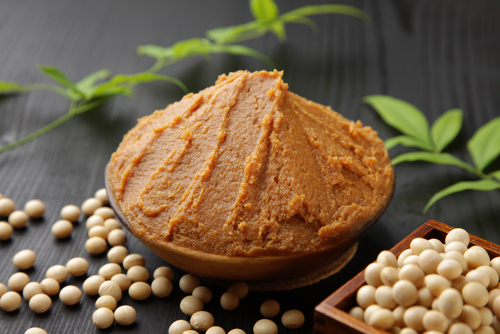
Miso is considered a source of plant protein
When fermenting miso, enzymes in Koji break down the structure of proteins and carbohydrates in soybeans, rice, and barley, helping the body easily absorb nutrients. Miso is often divided into 3 main types, depending on the incubation time: white miso (shiromiso), red miso (akamiso) and black miso (kuromiso). Each type of soy sauce is suitable for different dishes.
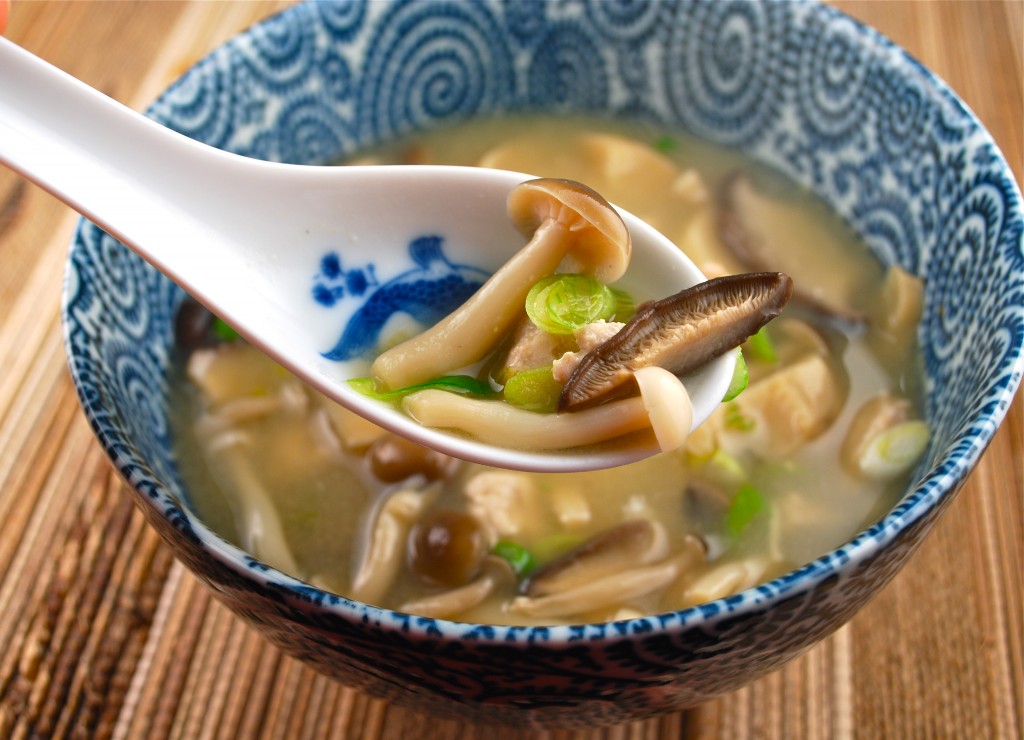
Miso paste is suitable for many common Japanese dishes
Sake
Sake is a type of rice wine made by fermenting rice grains. Sake is an indispensable ingredient in many soups and sauces, often used to marinate meat and fish, making food softer and eliminating the fishy smell.
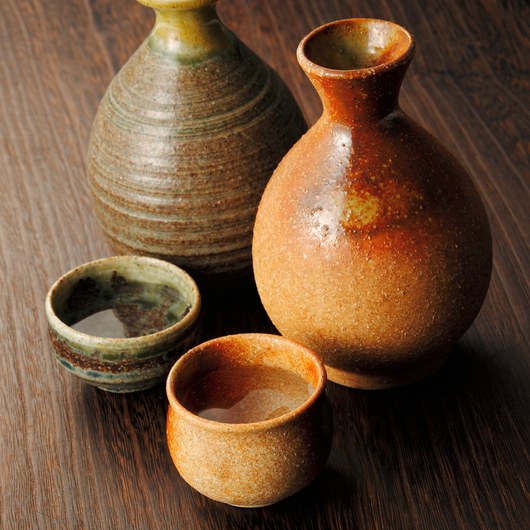
Sake helps soften food and eliminates the fishy smell
Nowadays, people also produce sake specifically for cooking, but Japanese women still prioritize drinking sake for cooking because of its great effectiveness.
Shoyu (Japanese soy sauce)
Like Vietnamese fish sauce (made from fish), shoyu is used as a dipping sauce in meals and in preparing dishes.
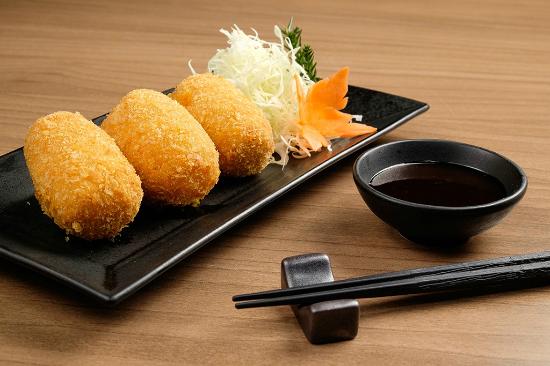
Shoyu – a dipping sauce not found in many dishes of Japan
Shoyu is a harmonious blend of salty, sweet, sour, bitter, and umami flavors (In Japanese, “umami” means “delicious taste”, umami is mainly made up of an amino acid called glutamate – a component that makes up protein in the bodies of living creatures).
Wasabi
Wasabi is a unique spice of Japanese cuisine. Wasabi comes in powder or paste form, has a pungent smell and a spicy taste that drowns out the fishy smell of fresh fish and seafood. The green color of wasabi also helps decorate the dish more beautifully.
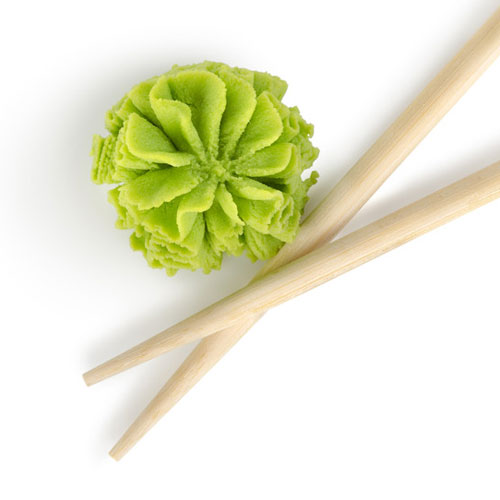
Wasabi is also known as Son Quy or Hoa Do Bi, growing scattered along streams flowing through valleys in Japan. People use its tubers and roots, grind them or grate them into powder and use them as spices.
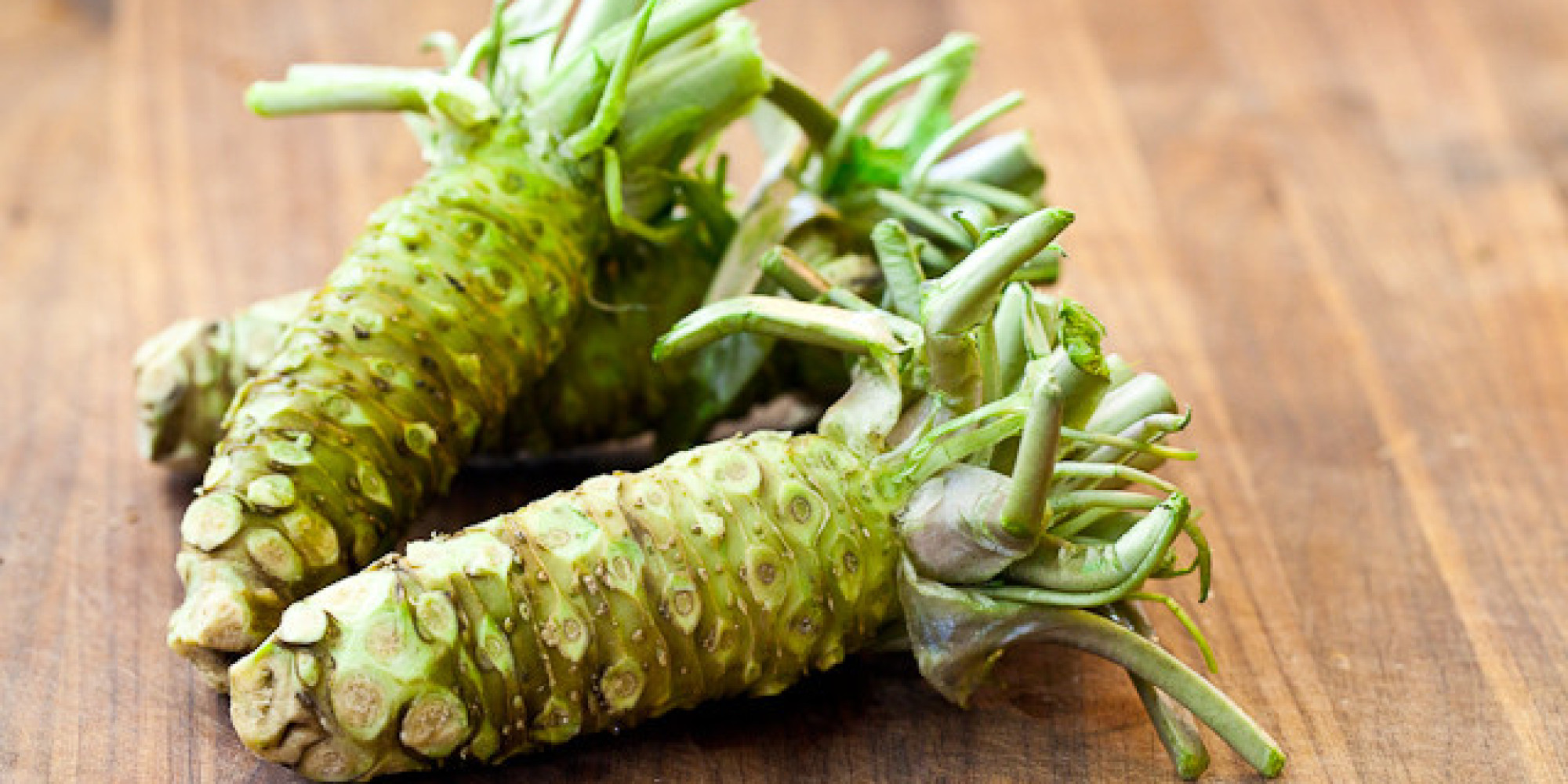
Wasabi root
Sometimes, the leaves of wasabi are also used because the young leaves are as spicy as the roots. Wasabi has certain health effects such as contributing to preventing strokes, cardiovascular diseases, fighting diarrhea, osteoporosis, allergies, arthritis…