
 English
  Tiếng Việt
 日本語
日本語05 typical and famous dishes of Japanese cuisine
1. Japanese culinary culture characteristics
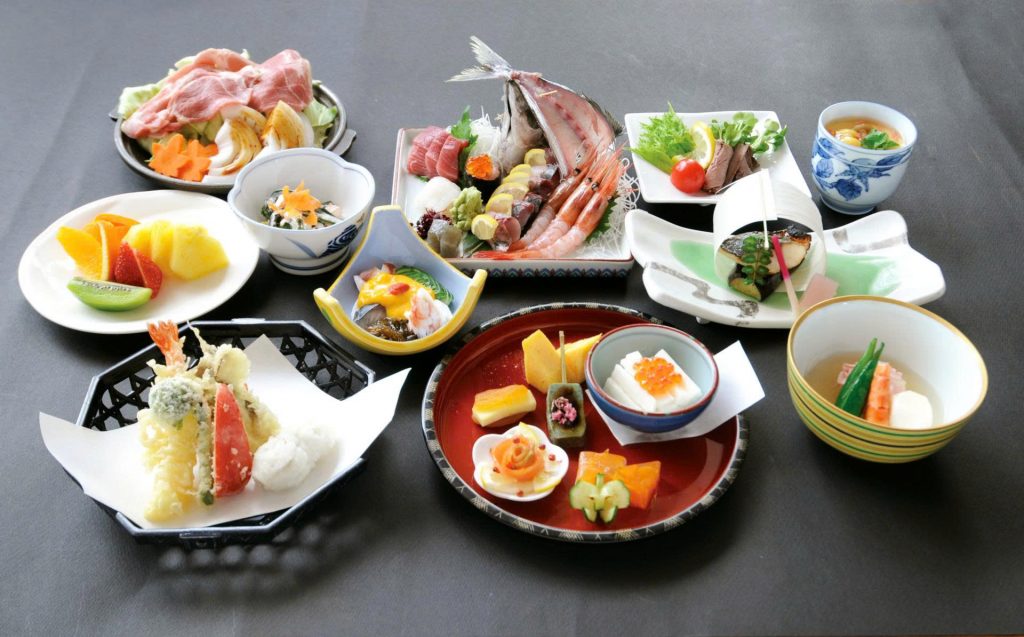
Japanese cuisine stands out by the respect for fresh ingredients and subtle processing. The dishes in this country are also an art and the presentation of food is also an important part, showing the ingenuity and care of the chef. Japanese food often has little spice, naturally favoring, highlighting the typical flavor of the main ingredient.
In addition, Japanese meals always come with many small dishes, helping to balance the flavor and nutritional supplements. The main ingredients are usually processed by the method of baking, steaming or breaded fried. Japanese food indispensable foods such as fish, rice, seaweed, tofu and vegetables.
2. 05 typical dishes of traditional Japanese cuisine
Although Japanese cuisine has countless delicious delicacies, the 5 typical dishes below will be the most quintessential representatives of this cuisine.
2.1. Sushi
Sushi can be considered a dish that represents traditional Japanese cuisine. This is a combination of plastic rice, vinegar and fresh ingredients such as salmon, tuna, shrimp or squid. Sushi has many variations such as Nigiri (rice balls with raw fish), maki (rice rolls in seaweed) and sashimi (raw fish meat without rice). This dish is often enjoyed with Wasabi (Japanese mustard) and soy sauce.
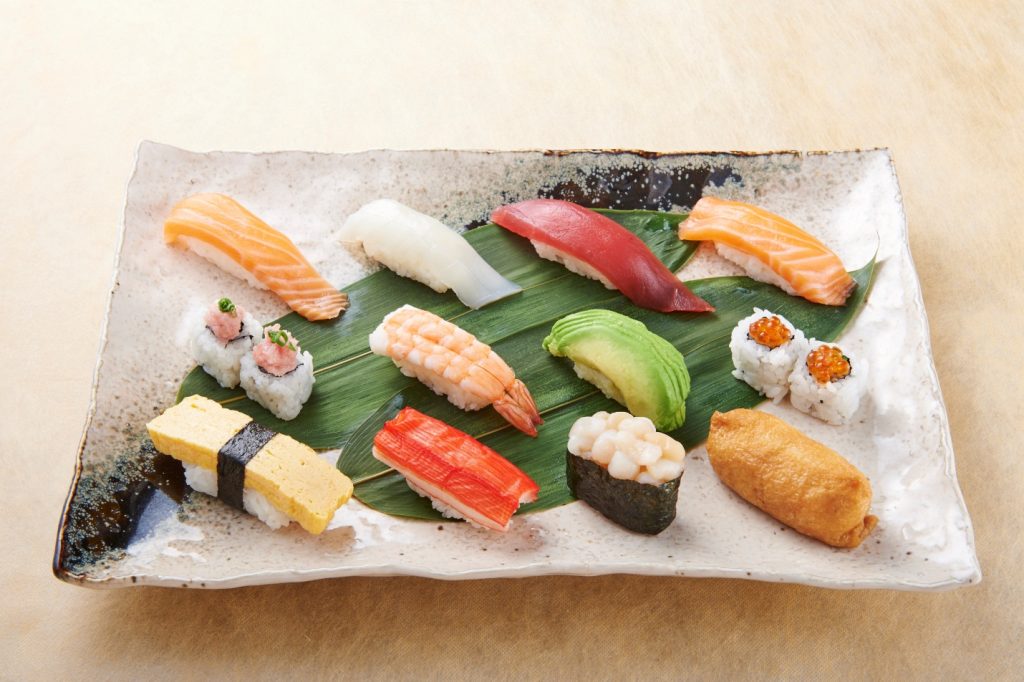
The choice of fresh ingredients, sushi processing, and even sushi is also very sophisticated. Sushi has become a popular food worldwide and is the pride of Japanese cuisine.
2.2 Sashimi
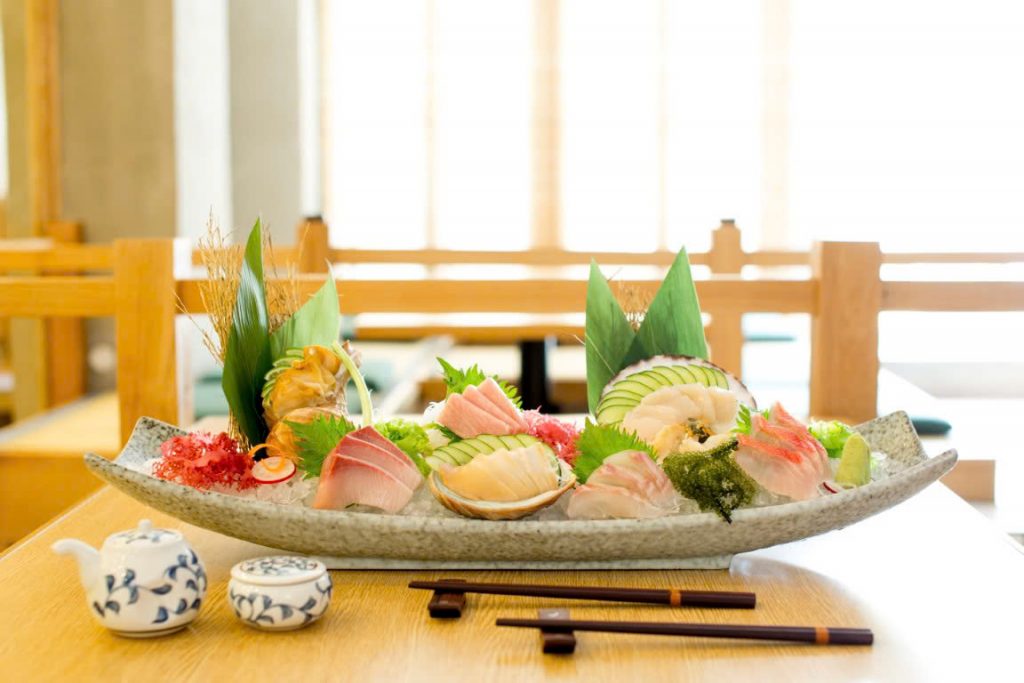
Sashimi is a dish made from raw fish slices or fresh seafood, sliced and enjoyed directly without processing. Sashimi does not use rice like sushi but only focuses on the freshness of the ingredients. Fish like salmon, tuna, and herring are often used to prepare sashimi, and served with Wasabi, soaked ginger, soy sauce.
This dish clearly shows the sophistication in the way of processing and using fresh ingredients of Japanese cuisine. Sashimi is an indispensable dish in Japanese parties, especially during holidays or family meetings.
2.3 Tea ceremony
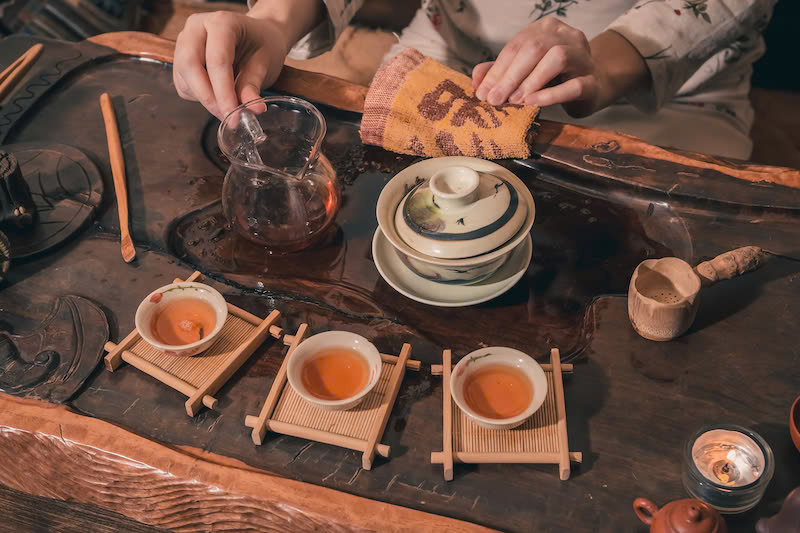
Not food, but tea ceremony (Chanoyu) is an important part of the culinary culture of Phu Tang. Tea ceremony is a ritual of making Japanese tea, where participants enjoy matcha green tea in a pure and peaceful space. This is a long -standing ritual in Japanese culture, where every gesture, every step shows respect and elegance in the soul.
Tea ceremony is also a combination of tea, costumes, space and time. Tea ceremony has a deep connection to Japanese culture, especially in the holidays and formal parties.
2.4 Tempura
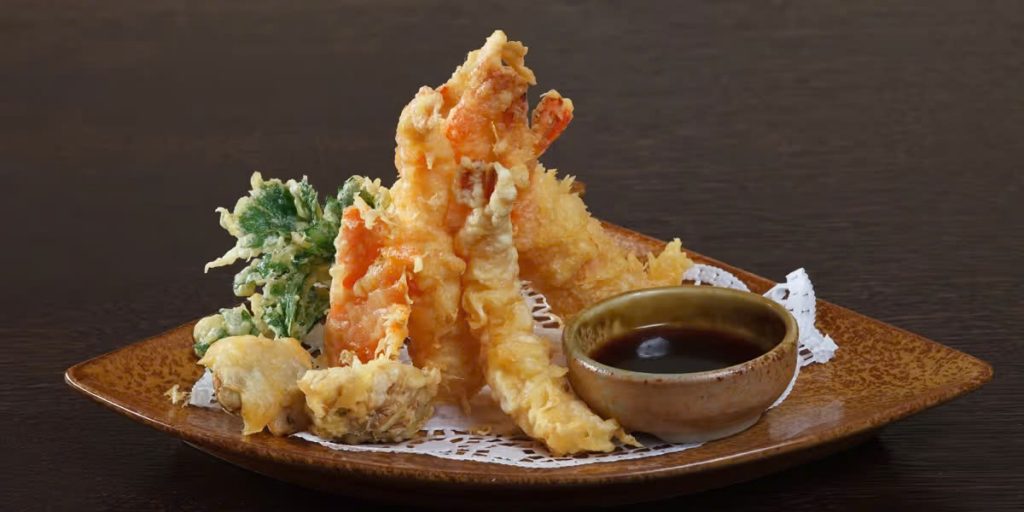
Tempura is known to be fresh and fried fresh seafood or vegetables, not too sick but retain the fresh taste of the inner ingredients. Tempura is often served with special sauce, helping to add flavor to the dish.
This dish is easily found in Japanese restaurants around the world and is very popular for the crunchy and gentle but attractive flavor.
2.5. Sake
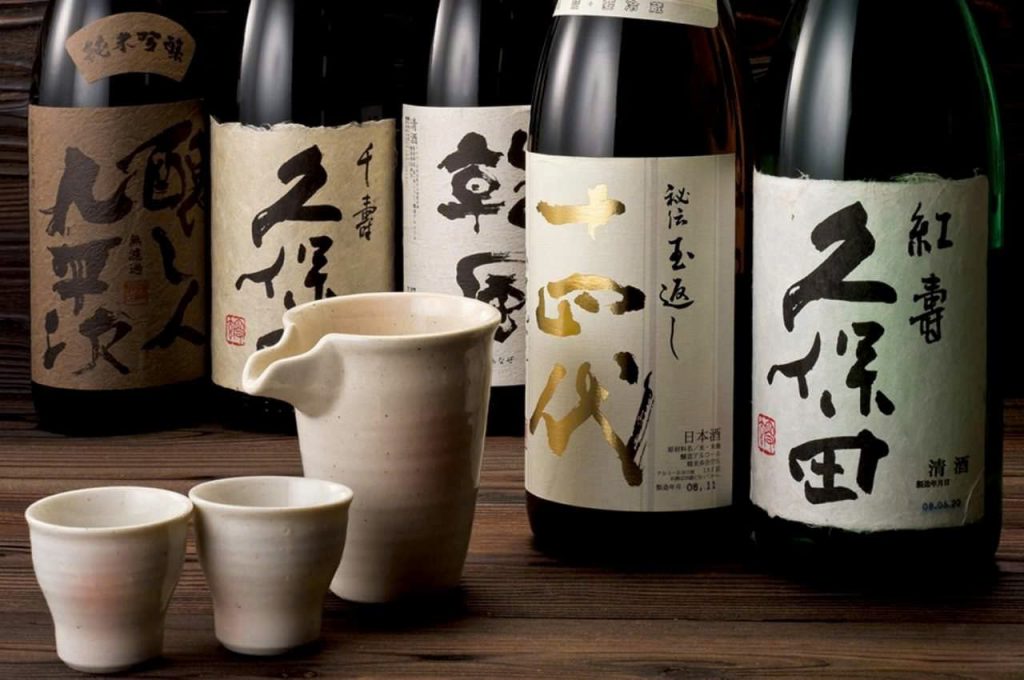
Sake is famous as a traditional Japanese rice wine, can be taken hot or cold depending on the type of wine and preferences of the enjoyment. Sake is produced from the process of fermenting rice and is considered a valuable drink in festive and worshiping occasions in Japan.
Sake has many different types, from gentle, sweet sake to sake with strong and rich flavor. Enjoying in family or friends reunion parties, sake is not only a drink but also a symbol of connection and respect in Japanese culture.
CONCLUDE
Japan has brought a great experience in culture, history and art through excellent cuisine. Foods like sushi, sashimi, tempura, and drinks like sake or tea ceremony bring great moments of enjoyment. If you have never experienced these dishes, try once to better understand the abundance and profoundness in Japanese culinary culture.