
 English
  Tiếng Việt
 日本語
日本語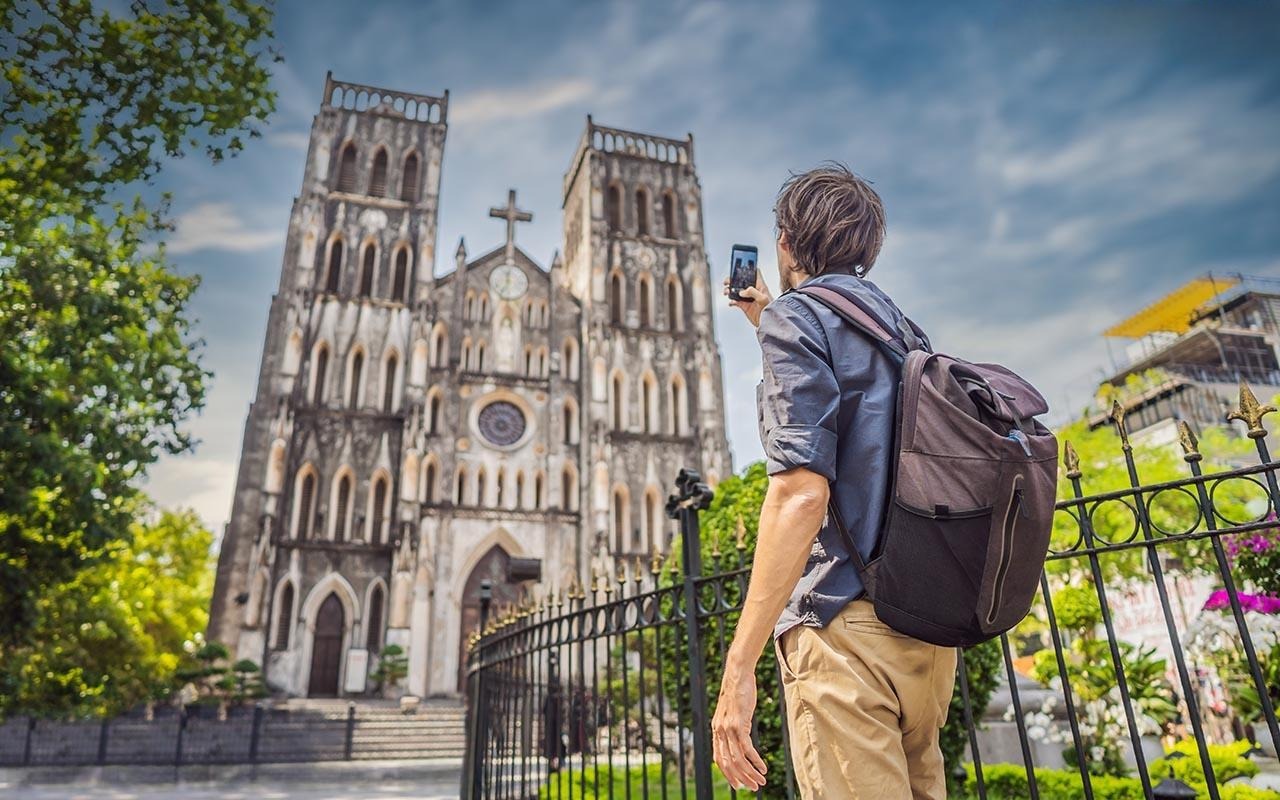
Our list of the world’s 50 most beautiful cities is more than just a ranking for our readers; it reflects the diverse experiences each city offers, from ancient street corners to breathtaking natural landscapes to unique urban lifestyles.
According to Condé Nast Traveler, Hanoi is not the type of city that “catches the eye” with its skyscrapers and glittering boulevards. Its beauty lies in its sedimentary layers. A quiet blue lake in the center of the city. Leaning brown tiled roofs of the old town. French era wrought iron balcony. An old pearl tree casts a shadow on the autumn road…
Furthermore, what makes Hanoi special in the eyes of foreign tourists is East and West in architecture, and the interference of East and West in architecture. Life rhythms from ancient times to modern times. Street food is simple but attractive and has become a symbol…
From a tourism economic perspective, being listed on the Condé Nast Traveler list can be seen as a “soft power endorsement.” Rankings from prestigious magazines in the United States and Europe often directly influence the quality of visitors, groups with high spending levels, and the propensity to seek deep cultural experiences rather than just short visits.
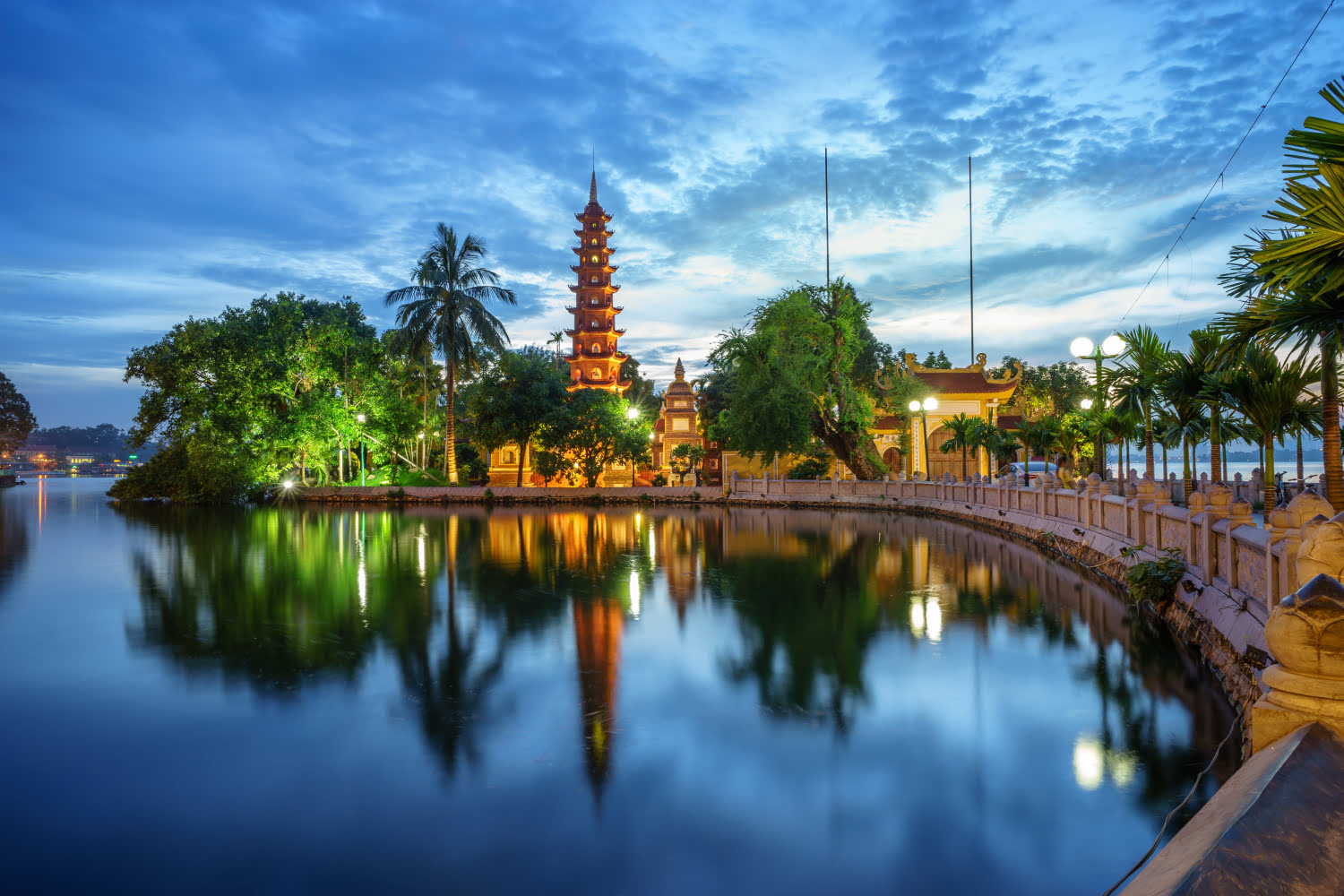
Condé Nast Traveler’s inclusion of Hanoi in its list of the world’s 50 most beautiful cities comes as no surprise to international tourism stakeholders, but it has special significance in an increasingly competitive world destination image.
Because, unlike other cities with impressive modern skylines, Hanoi attracts tourists with its slow pace of life and urban structure associated with water and greenery. This element is becoming increasingly important amid the global trend of making cities more livable.
Food is also a pillar of the image. From pho and bun cha to egg coffee, Hanoi’s street food culture is considered a kind of “living heritage,” where the experience is less about luxury and more about locality and refined taste. Many international tourism experts believe that this factor makes Hanoi different from other industrialized tourism centers.
Three economic impacts are clearly visible when Hanoi appears in Condé Nast Traveler’s global media ecosystem. The first is improved destination reliability. Endorsements from international brands can help shorten the “decision-making process” for travelers, especially those visiting Vietnam for the first time.
Second, it stimulates investment in high-end services. Boutique hotels, unique cuisine, themed cultural tours, and personalized experiential products have room to grow as an alternative to relying on mass tourism. Third, increase your average spend per guest. A growth model based on “value rather than quantity” is more in line with the sustainable development direction of the industry.
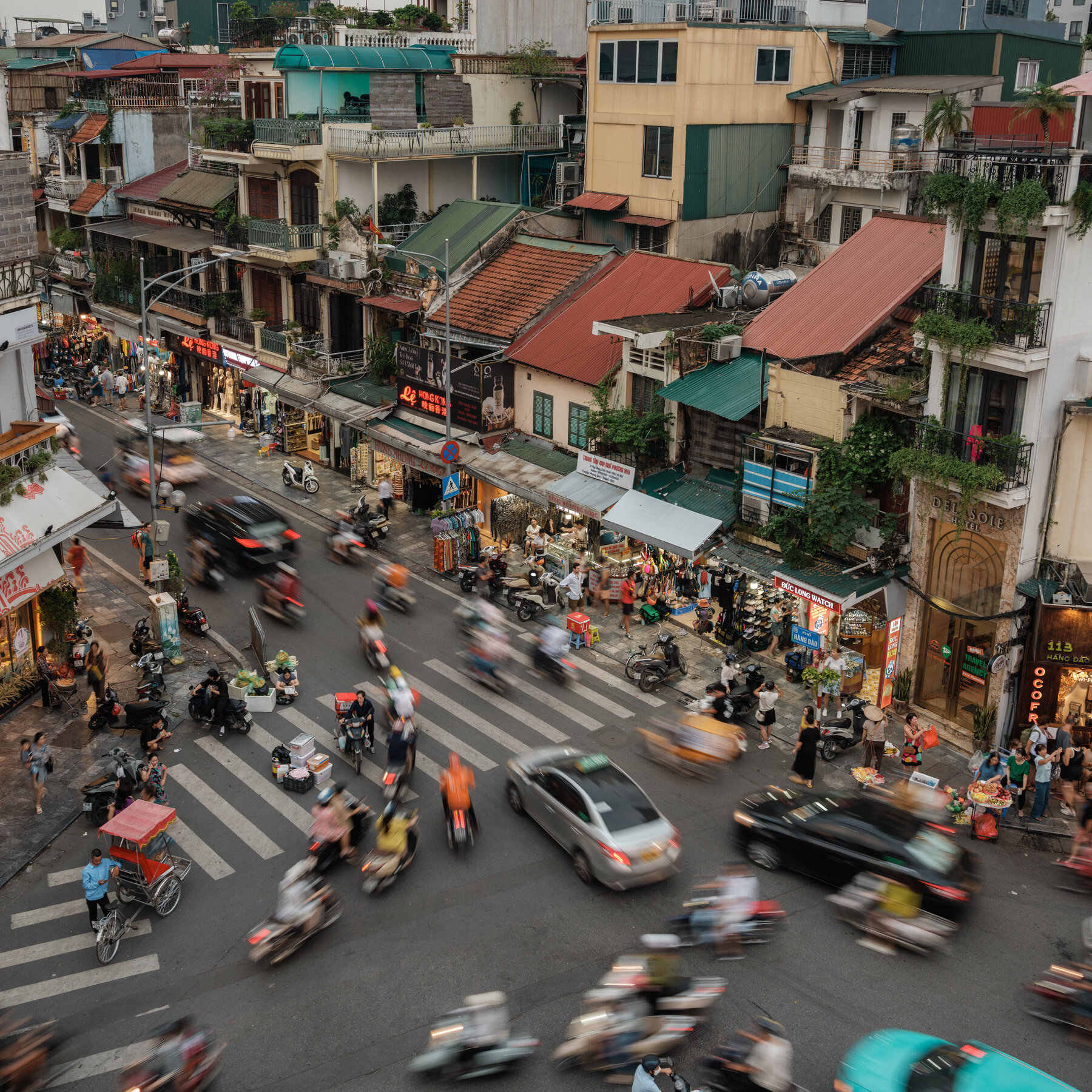
But recognition also creates protective pressure. The active development of real estate, infrastructure and mass tourism poses a problem of balance between growth and maintaining identity. Hanoi is beautiful not only because of what is there, but also because of the layers of memory that still remain in its urban spaces. In a global context of a major shift towards green and responsible tourism models, maintaining a balance between development and conservation is crucial.
The question is not how many tourists to attract, but to what extent a city can maintain its original values when it opens its doors to welcome tourists. A city can only be truly “beautiful” in the long run if its beauty is truly different and not consumed by the success of the city itself. With the right direction, Hanoi can transform from media status to a sustainable economic advantage, balancing tourism growth with preserving its cultural history, unique style and quality of urban life.
According to the official gallery posted by Condé Nast Traveler, this list of 50 includes some typical cities. Amsterdam – Netherlands. Barcelona – Spain; Buenos Aires – Argentina; Cape Town – South Africa; Cartagena – Colombia; Chiang Mai – Thailand; Copenhagen – Denmark; Dublin – Ireland; Edinburgh – Scotland; Florence – Italy; Hanoi (Hanoi) – Vietnam; Paris – France; Porto – Portugal; Prague – Czech Republic…