

Sa Pa: “Mountain town in the mist” becomes the number 1 destination in Asia
 -
-
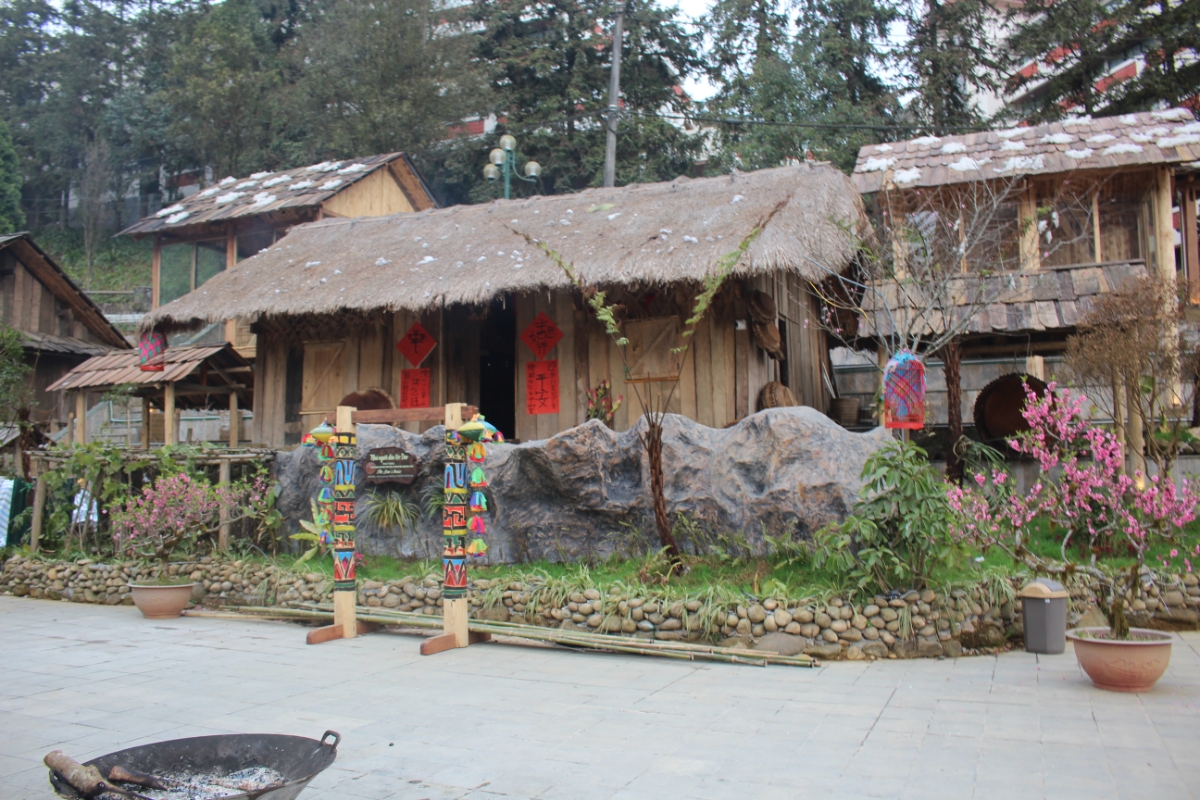
During our working journey in Sa Pa, our presstrip group stopped at the cultural space “Sa Pa – Converging Essence”, a new destination located close to the central square of Sa Pa ward, where unique values of the Northwest highland ethnic minority community are preserved and recreated. The space is designed like a “miniature Sa Pa”, helping visitors have an overview and intuitive view of indigenous cultural life in just a short period of time.
“LIVING MUSEUM” OF HIGHLAND ETHNIC PEOPLE
The space includes 5 typical houses, each house has its own architectural style of each ethnic group. Right from the entrance, the symbol of silver earrings of the Mong people creates an identifying highlight. Dao people’s houses are made of wood, with living and resting spaces arranged at the back; Mong people’s houses have wooden roofs; Tay people’s stilt houses use wood and planks; While Xa Pho people’s houses are mainly made from bamboo.
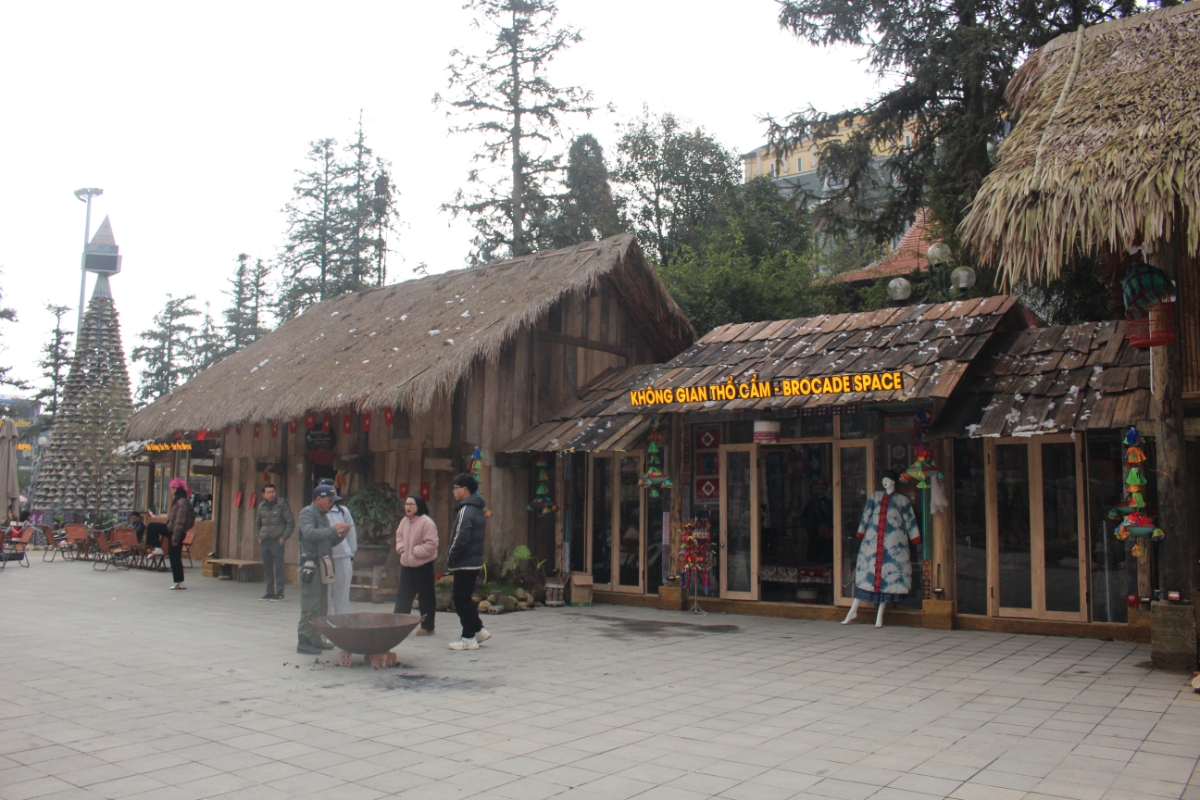
It is known that the “mother” of this space is Ms. Hoang Thi Vuong, formerly Head of the Department of Culture, Sports and Tourism of Sa Pa town. From July 1, 2025, when implementing the abolition at district and town levels, Ms. Vuong retired according to Decree 178. Immediately after that, she founded the Sa Pa Community Connection Cultural Cooperative and invested in building the cultural space “Sa Pa – Converging Essence”. This cultural space has been completed and officially launched on December 31, 2025.
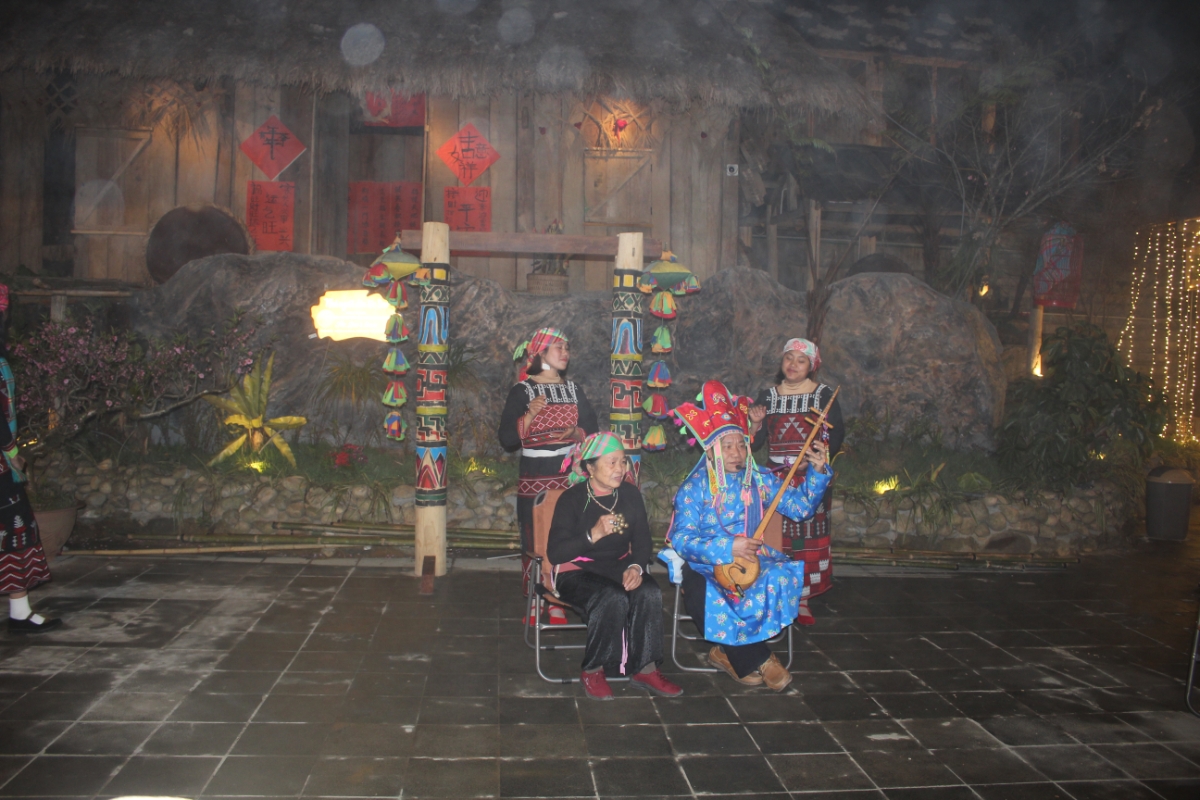
The cultural space “Sa Pa – Converging Essence” is implemented according to the PPP model (public-private partnership), between the Cooperative and the Sa Pa ward government. At each exhibition area, QR codes are integrated so that visitors, especially international visitors, can find out information for themselves. Services of interest to tourists include foot baths with Red Dao medicine, enjoying local cuisine, evening programs with campfires, bamboo dancing, Mong flute music and guitar playing.
Ms. Hoang Thi Vuong, Chairwoman of the Board of Directors and General Director of Sa Pa Community Connection Cultural Cooperative, said that currently, the Cooperative has 32 members participating in the chain of service activities. In addition, this model is creating jobs and livelihoods for about 150 ethnic minorities in Sa Pa.

The difference of “Converging Sa Pa Essence” is the “living museum” model approach. The space does not have static displays, but has the direct participation of artisans and ethnic minorities. They live, work, tell cultural stories, practice crafts and perform arts right in this space, becoming subjects conveying the cultural values of their own community.”
According to Ms. Vuong, the Cooperative’s service activities focus on three main groups.
The first: Activities to experience traditional crafts such as beeswax painting, brocade weaving, and preparing local dishes.
Monday: Organize cultural and folk art performances to serve tourists.
Tuesday: Build thematic experience spaces such as recreating Sa Pa love market, ancient Sa Pa space and traditional ethnic cuisine areas.
Each ethnic community is introduced through typical cultural values. The Dao people are notable for their ancient writing and indigenous knowledge of medicinal herbs, baths and healing cuisine. The Mong people are associated with Khen dancing, beeswax painting, pounding thick cakes, weaving brocade, hanging meat in the kitchen, and traditional wine. The Tay people have Then rituals, Xoe dances, traditional cuisine and local agricultural products. Xa Pho people with grilled fish, salted fish and brocade embroidered with beads. The Giay people stand out with their five-color sticky rice, banh chung, khau hump and traditional festivals.
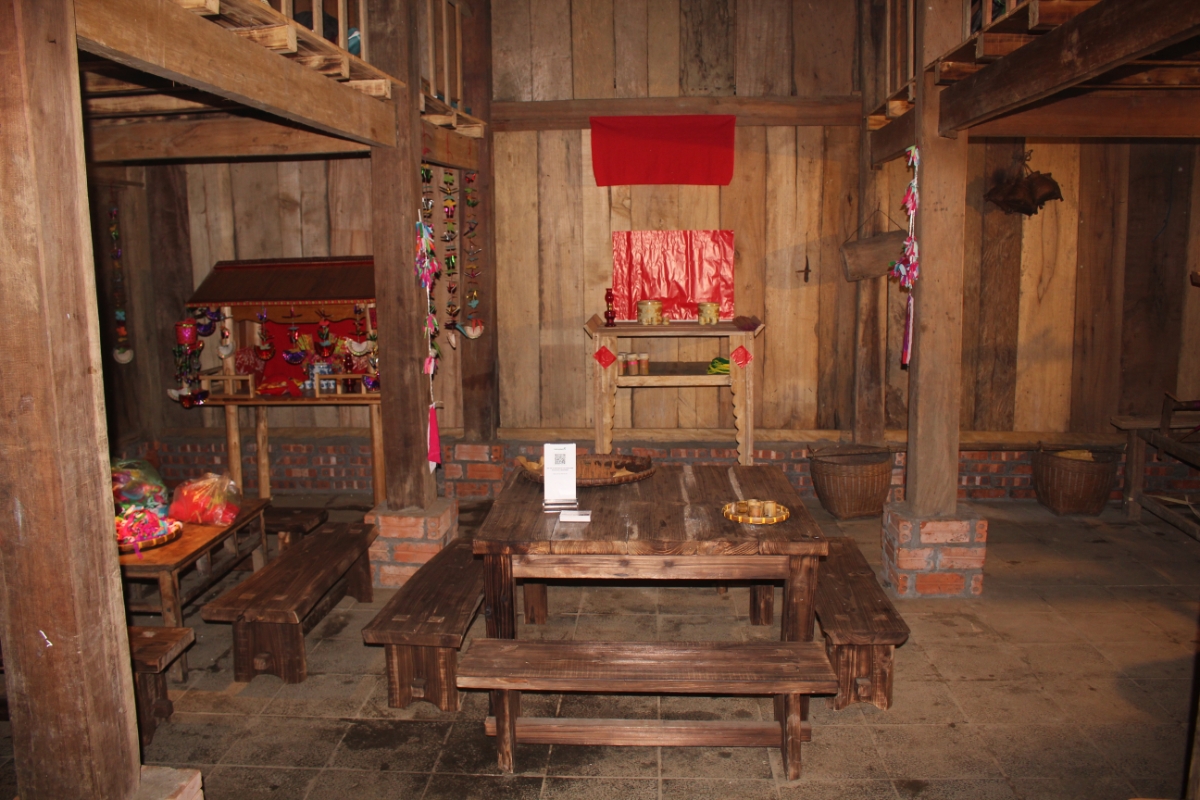
Besides experiential activities, the space is also a connection point for consuming local agricultural products, cuisine and handicrafts. Products such as buffalo meat, dried pork, dried local fruits, traditional wine, brocade, and handicrafts are all strictly controlled for origin and quality. Food ensures food safety and hygiene, goods meet OCOP standards or corresponding specialized standards, and are labeled with traceability stamps. There are currently more than 30 OCOP products consigned here, many of which meet national 4-5 star standards.
STRONGLY DEVELOP HOTEL AND ACCOMMODATION SERVICES
When talking about Sa Pa tourism, it is impossible not to mention the system of accommodation facilities, restaurants and accompanying services. The old Sa Pa town area currently has 842 accommodation establishments, including 190 hotels, 303 motels and 349 homestays, with a total size of about 14,000 beds, meeting the diverse needs of domestic and international tourists.
Community tourism in Sa Pa is strongly developed, focusing mainly in areas where the Mong, Dao, Giay, and Tay people live, contributing to the richness of content and forms of cultural experience. As of early January 2026, Ngu Chi Son commune has 7 homestays of the Dao people; Ta Phin commune has 24 homestays of the Mong, Dao and Kinh ethnic groups; Ta Van commune has 144 homestays of the Mong, Dao, Giay and Kinh people; Ban Ho commune has 37 tourist accommodation establishments, of which 34 are homestays. Sa Pa ward alone has 468 accommodation establishments, including 78 homestays.
During the presstrip in Sa Pa, the group surveyed and experienced a number of typical accommodation establishments and restaurants in the center of Sa Pa ward such as May Ho 2 hotel, Arengo Sa Pa hotel, Green Forest hotel , Canvas Legend hotel… along with Hoa Da Sa Pa, Cau May, Com Nieu Sa Pa restaurants. These are 3-4 star standard hotels, conveniently located for visiting famous tourist attractions.
The room system at May Ho 2 hotel is modernly designed, fully equipped, suitable for many customer segments. In addition to accommodation services, the hotel also provides tour booking support and tourist attractions advice. Arengo Sa Pa Hotel has a modern style, focusing on personalization, private space and experiences associated with exploring the village and highland culture. Meanwhile, Green Forest Sa Pa develops towards an ecological resort, designed close to nature, combining relaxation activities and connecting tours to explore the landscape, aiming for the trend of green and sustainable tourism.
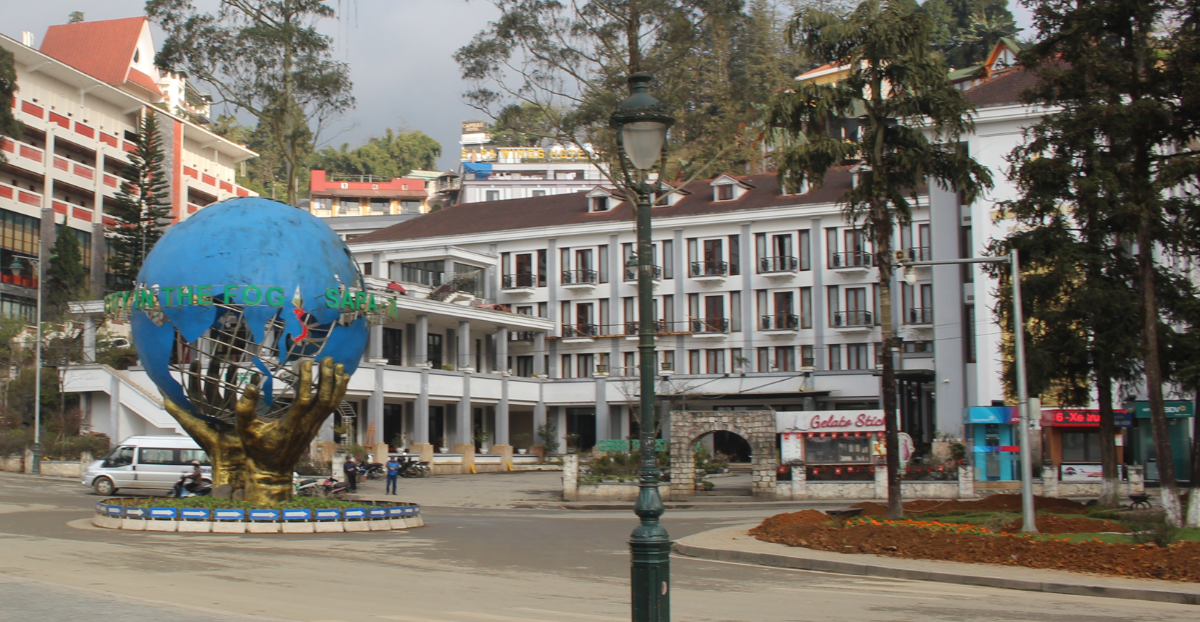
According to the New Horizons 2026 rankings announced by the digital travel platform Agoda (of a multinational technology and tourism corporation headquartered in the United States), Sa Pa rose to number 1, becoming the fastest growing destination and most popular with international tourists in Asia. In this ranking, Sa Pa ranks above many prominent regional destinations such as Okayama, Matsuyama, Takamatsu (Japan) and Bandung (Indonesia). The rankings were built based on hotel booking data for two consecutive years, reflecting the tendency of international tourists to seek destinations rich in cultural identity and natural experiences.
Previously, in 2025, Sa Pa was also recognized by Agoda as the fastest growing destination in Asia when it increased 15 places in the ranking of the top 100 destinations in the region, based on booking data for the period from January to November 2025 compared to the same period in 2024.
During the 4-day New Year 2026 holiday, Sa Pa welcomed nearly 148,200 visitors, thanks to a series of cultural – tourism activities such as the “Sa Pa – Converging Essence” cultural space, the semi-finals of Miss Tourism Vietnam 2026, the countdown program and the New Year fireworks display.
Thu Trang


