
 English
 Tiếng Việt
 日本語
“Sacred Marks of Hanoi” recreates 60 days and nights of smoke and fire in the Capital
On October 19, the Vietnam National Traditional Theater performed the opera “Sacred Mark of Hanoi” with the message “For what remains forever” within the framework of the Hanoi Open Theater Festival 2026. Exploiting the theme of revolution, the work brought viewers back to the days when Hanoi entered the fight to protect national independence after President Ho Chi Minh issued a national call for resistance in 1946. From fierce battles to the image With images of suicidal soldiers and people participating in the resistance war, the play highlights the spirit of “Determining to die for the Fatherland to survive”, portraying the resilient will and sacrifice of the Capital’s soldiers and people.
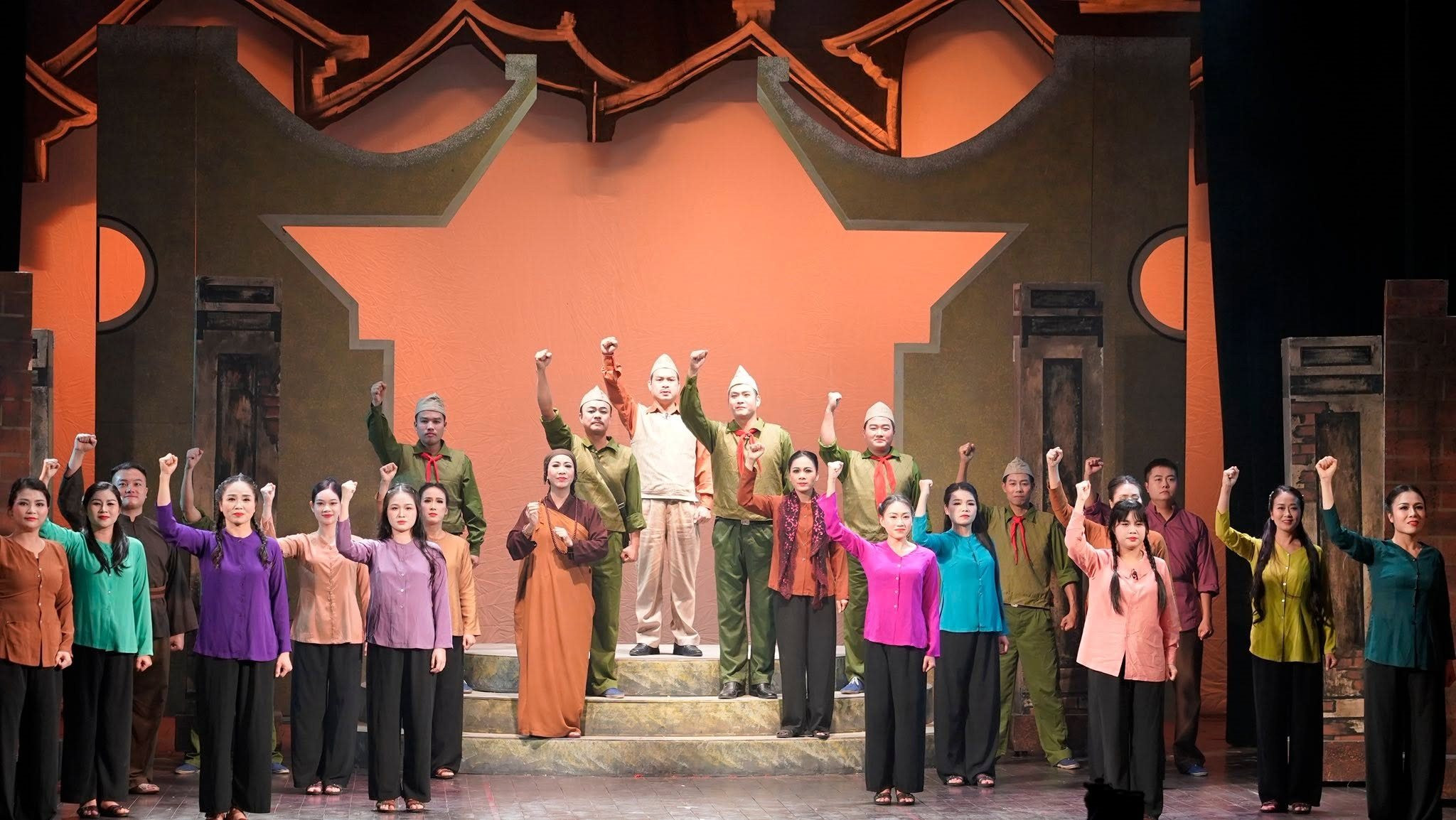
The focus of the work is the 60 days and nights of fighting from December 1946 to early 1947. In extremely difficult circumstances, the resistance forces and the people of Hanoi held on, built defense lines, held back and consumed enemy forces, creating conditions for the headquarters and resistance forces to safely retreat to the war zone. The recreated historical events not only recall a period of hardship but also emphasize the mettle of Thang Long – Hanoi, where patriotism, indomitable spirit and the will to protect independence have been cultivated over many generations. “Sacred Marks of Hanoi” was written and directed by author Le Cong Phuong and choreographed by People’s Artist Le Tien Tho. Choosing Tuong art to tell a modern historical story requires harmony between the conventional and stylized characteristics of traditional theater with the specific developments of the resistance war. The performances are arranged in a clear flow, from the construction of defense lines to tense confrontations, thereby creating a battle atmosphere while still retaining the typical expressive style of the opera. 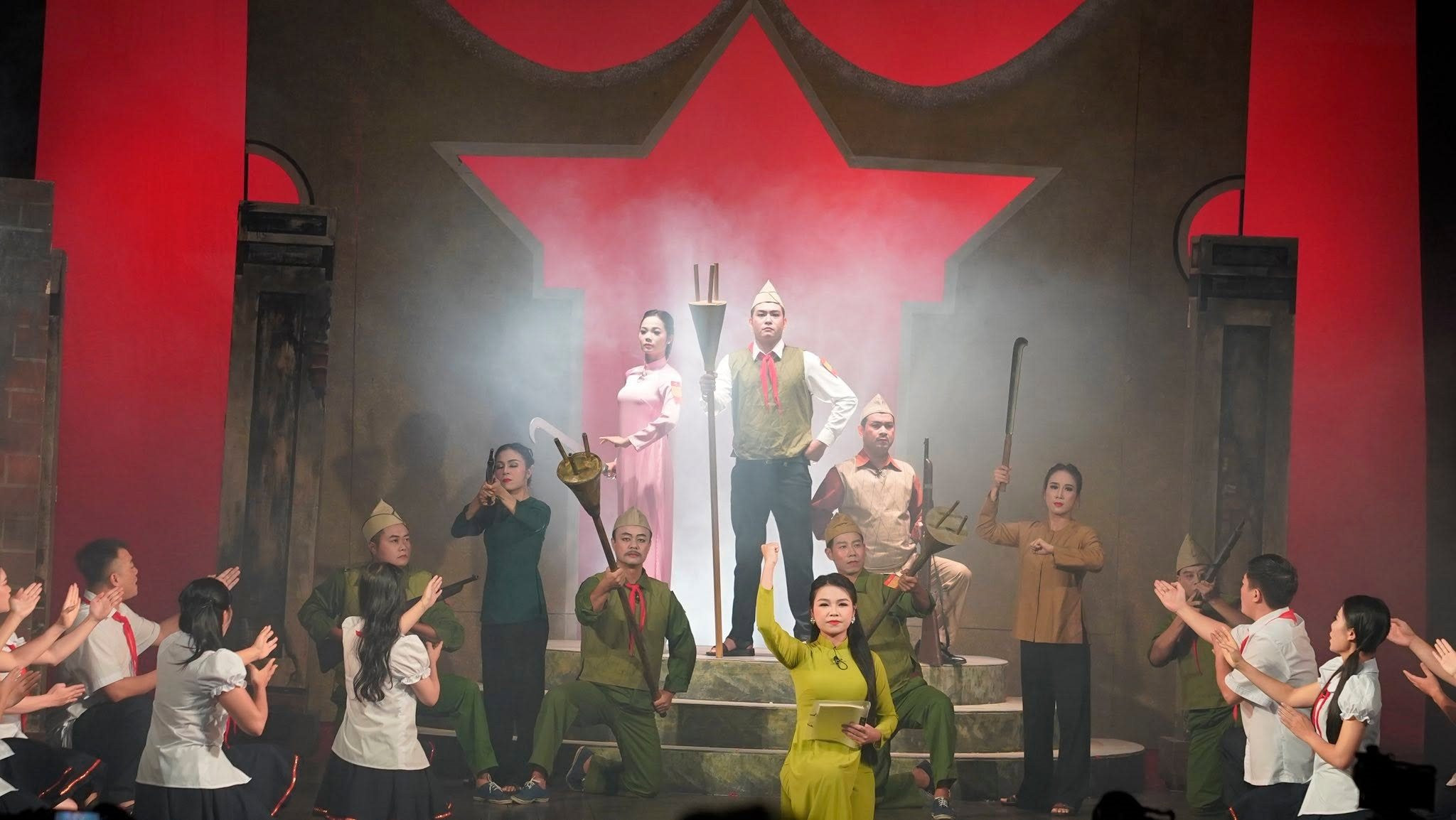
Many traditional techniques are used flexibly in the play, such as conventional movements recreating bicycle riding scenes, character testing situations or French colonial torture scenes with ropes. These details are stylized to both maintain the traditional language of performance and increase the evocation of the fierceness of war. Instead of trying to recreate every detail in a realistic way, the stage uses physical movements, expressions and rhythm to expand the viewer’s imagination. The performance space is also handled flexibly, allowing the same stage system to quickly change from Hanoi’s ancient citadel to the streets or defense lines. The concise scene reversal, combined with the rich symbolic acting style, helps expand the scope of space and create a sense of continuity for the story’s progress. Thanks to that, the audience not only watched a series of events but was also placed in the atmosphere of Hanoi in the early days of the national resistance war. Music is one of the notable refreshed elements. In addition to the traditional songs and singing style of the opera, the work adds background music with its own rhythm and melody to support the characters’ psychological developments and build a battle atmosphere. This combination adds emotional depth to each performance, while also helping the language of tuong become more accessible to contemporary audiences without losing the traditional artistic foundation. 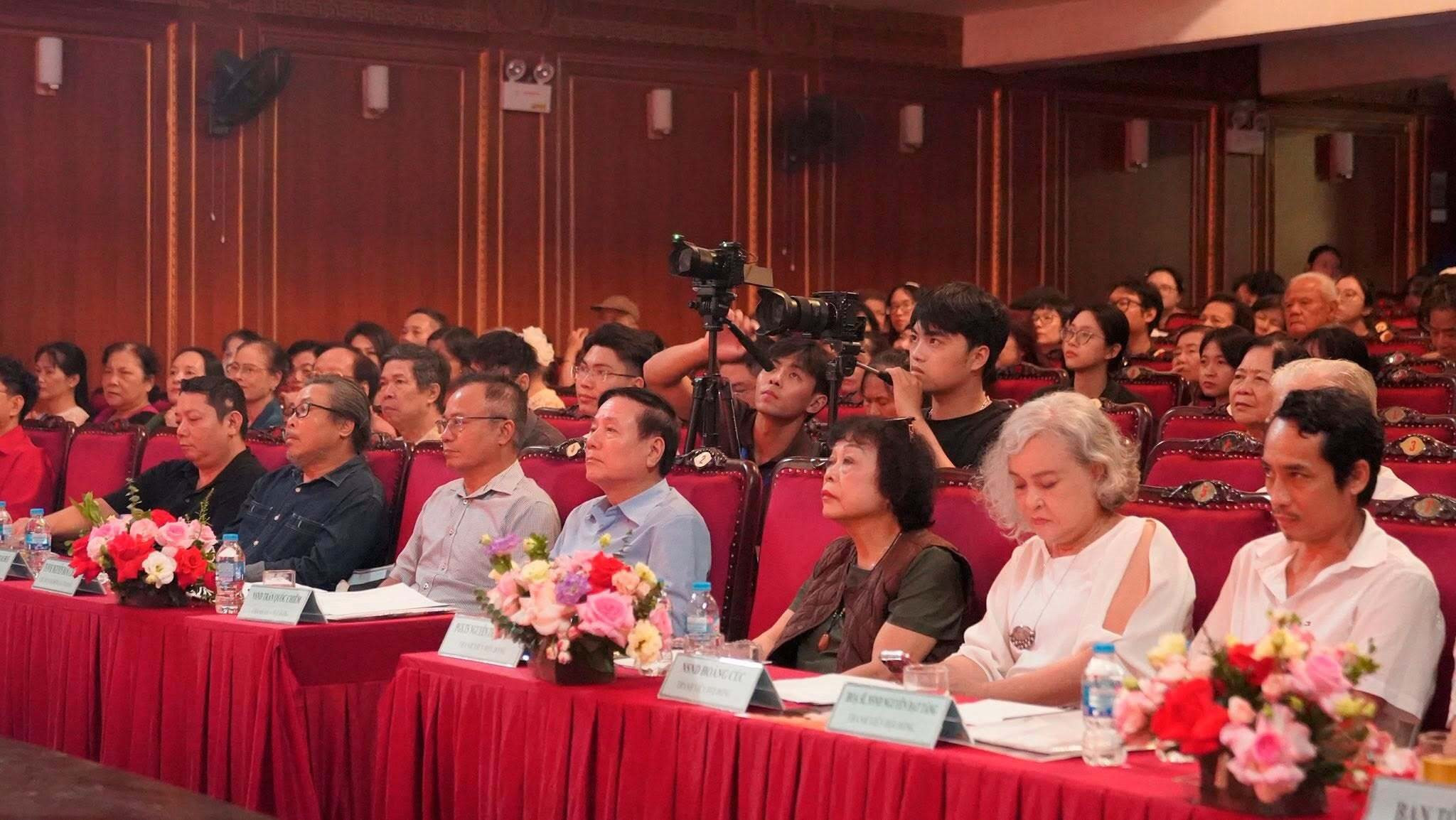
The introduction of revolutionary themes into opera theater also shows the adaptability of this art form to modern historical stories. From ancient melodies and conventional acting styles to new stage and music treatments, the creative team creates a space that is both epic and close to today’s viewers. This is also a way for the values of Tuong to continue to be renewed and expand its accessibility to the public, especially the younger generation. Besides its artistic meaning, “Hanoi Sacred Mark” was also built as a tribute to the generations who fought and sacrificed for national independence. The work reiterates that the values that make up the identity and spirit of the Capital are formed from the contributions of many people, from soldiers directly holding guns to ordinary people participating in the resistance. With the message “For what remains forever”, the play not only looks to the past but also evokes reflection on the present. Historical memories can only continue to live when they are respected, preserved and transformed into responsibility for the community and country by future generations. Participating in the Hanoi Open Theater Festival 2026, “Hanoi’s sacred mark” thus not only preserves the memory of a resilient Hanoi in the early days of the resistance war, but also contributes to affirming the vitality of opera art in today’s theater life.