
 English
  Tiếng Việt
 日本語
日本語Hanoi Book Street connects reading culture with digital technology
The program is held at Hanoi Book Street, December 19 Street, Cua Nam Ward, with a combination of practical experience and online broadcast.
Through the screen, the audience can follow the display space of many groups of books for women, family, children and contemporary education, and observe the direct interaction between the MC, guests and representatives of the booths. 
This activity gives viewers a closer experience with books, even though they are not directly present at Book Street. Participating in the program, Ms. Trinh Ngoc Tram, Vice Chairman of Cua Nam Ward People’s Committee, said that Hanoi Book Street is having a clear transformation in function. From a place mainly serving book buying and selling activities, this place has gradually become a multi-functional community cultural space, combining reading, exchanging, and experiencing art and technology. Investing in green, clean, friendly space along with diverse experiential activities contributes to helping Book Street become a familiar cultural destination for the capital’s residents and tourists. From a publishing perspective, Ms. Khuc Thi Hoa Phuong, Editor-in-Chief of Vietnam Women’s Publishing House, believes that readers in the digital age are becoming more and more proactive in choosing books. Instead of just paying attention to best-selling books, many people pay attention to the practical value of use such as what ages the book is suitable for, what problems it solves, how it can accompany children and what value it brings to family life. 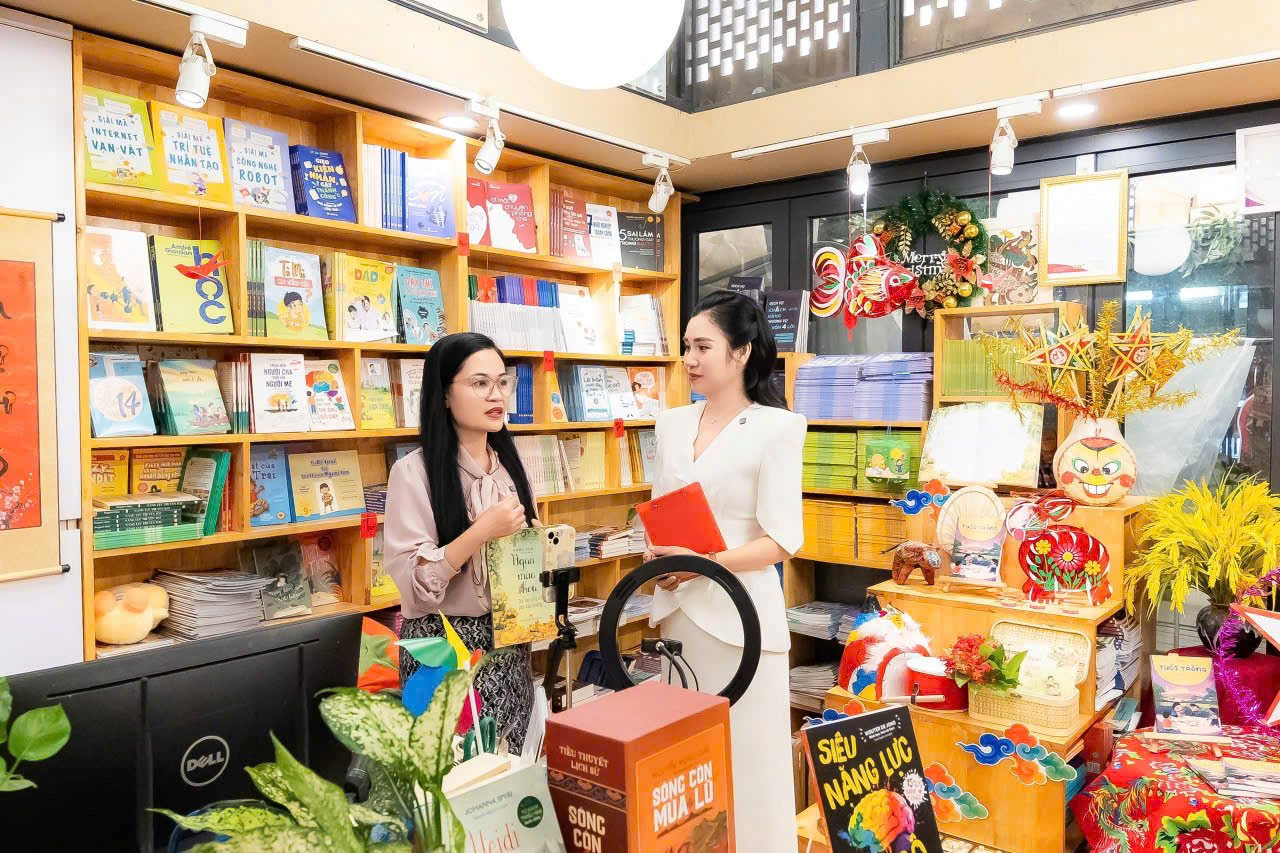
According to Ms. Khuc Thi Hoa Phuong, Book Street creates a direct bridge between bookmakers and readers, helping works not only appear on shelves but also have the opportunity to penetrate deeply into life. In the context of social networks and short forms of content growing strongly, readers’ ability to concentrate also faces many challenges. Therefore, reading culture in the digital age not only poses the story of converting paper books to electronic format, but also involves expanding methods of accessing, discovering, exchanging and sharing works. Ms. Khuc Thi Hoa Phuong believes that technology can help readers more easily search and access books, but as the amount of information becomes larger, selection skills become especially important. Readers need to pay attention to the credibility of the author and publisher, distinguish promotional content from the true value of the work, and maintain enough quiet time to read deeply. According to the views shared at the program, technology should become a tool that leads readers closer to books, instead of reducing reading to the habit of skimming short and discrete pieces of information. Agreeing with this opinion, Ms. Trinh Ngoc Tram said that livestream and digital tools can be seen as a modern “invitation”, helping to bring the atmosphere of Book Street closer to those who do not have the opportunity to visit directly. Online space is not intended to replace reading books in the traditional way, but rather plays a role in motivating the public to find real spaces to directly interact with books, meet experts and have more time to reflect. To maintain the ability to read deeply, especially for young people, the guests at the program gave some simple suggestions that can be applied in everyday life. Readers can start by asking a question before opening the book, turning off notifications on digital devices for about 15 minutes, focusing on reading a complete section of content and then recording what they learn. At cultural spaces, the experience model “Find books – Check sources – Read deeply – Share” is also proposed. Accordingly, technology can be used at the beginning to create curiosity and interest, then readers are led back to core activities such as reading carefully, thinking deeply and communicating civilly. Another notable content of the program is the introduction of publications for many groups of readers. Ms. Trinh Ngoc Tram introduced a number of valuable books on education, history and humanities. Among them, “The Tale of Kieu Hoi Ban” by Thai Ha Publishing House is a special version recreating the masterpiece of great poet Nguyen Du based on the ancient edition “Kim Van Kieu Tan Truyen”. The publication is introduced with a limited number of 260 copies, hand-finished and has more than 700 annotations, helping readers gain deeper access to the language and ancient layers of meaning in the work. “Children’s Rhymes” by Pedagogical University Publishing House is a series of books that collect and set to music familiar nursery rhymes, contributing to bringing folk sounds closer to children. The set of 10 books “Sowing seeds with great men” by Hanoi Publishing House aims to inspire positive living, help children form thinking about cause and effect, future orientation and nurture human values. 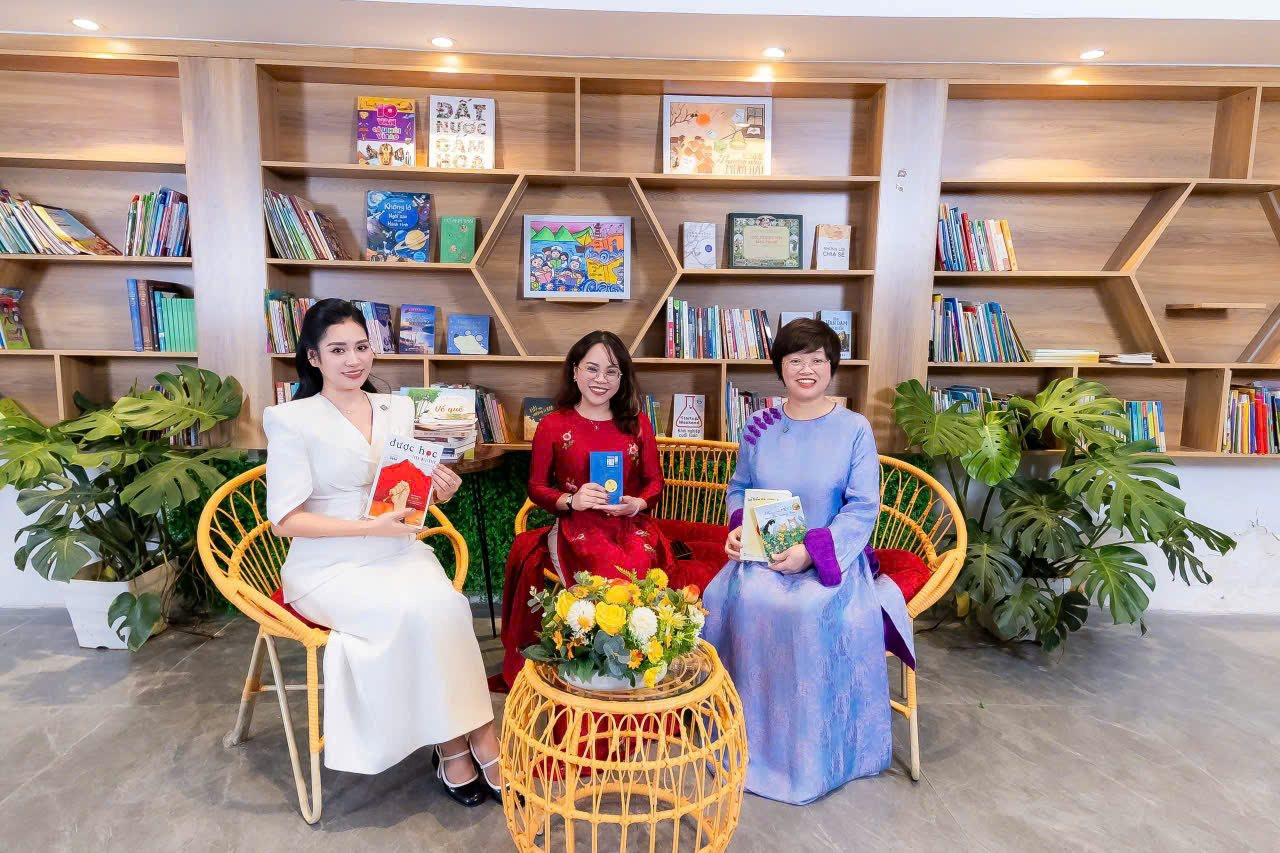 In addition, the program also introduces a number of new books from Vietnamese Women’s Publishing House, aiming to create more topics of discussion between family members.
Livestream viewers are instructed to use official QR codes to look up information about publications, authors as well as access censored promotional programs. 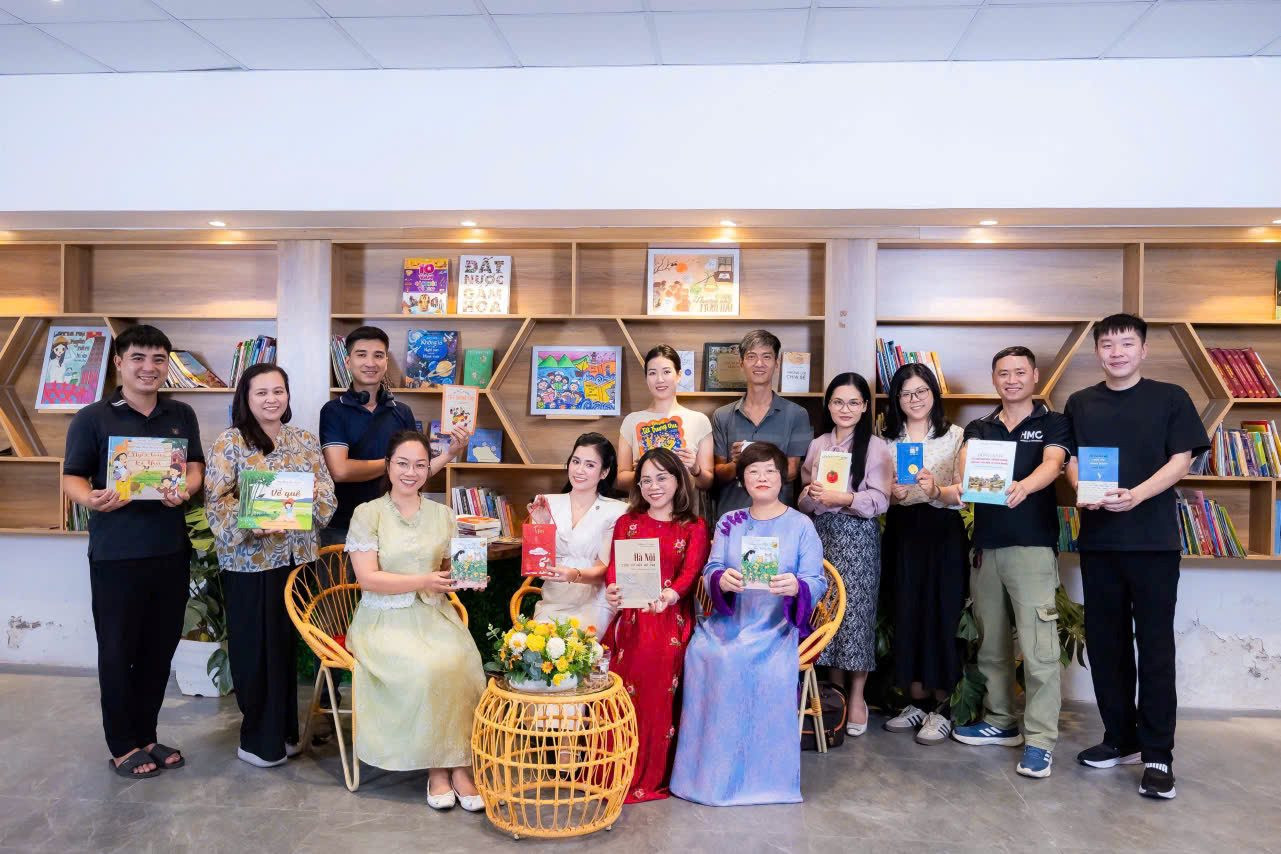 Through the program “Reading culture in the digital age”, the message is emphasized that Book Street is not just a place to buy and read books but is becoming an open cultural space.
Technology is considered a connecting tool, supporting readers in accessing knowledge but does not replace the reading experience.
Book selection should be based on reliable sources of information, while each book read in its entirety can contribute to forming lifelong learning habits and building a lifelong learning community.