
 English
  Tiếng Việt
 日本語
日本語Hanoi brings digital skills and AI into the lifelong learning movement by 2026
The 2026 lifelong learning response event will be held throughout Hanoi city from October 1 to October 7, 2026, with the main launching activity taking place on October 1. 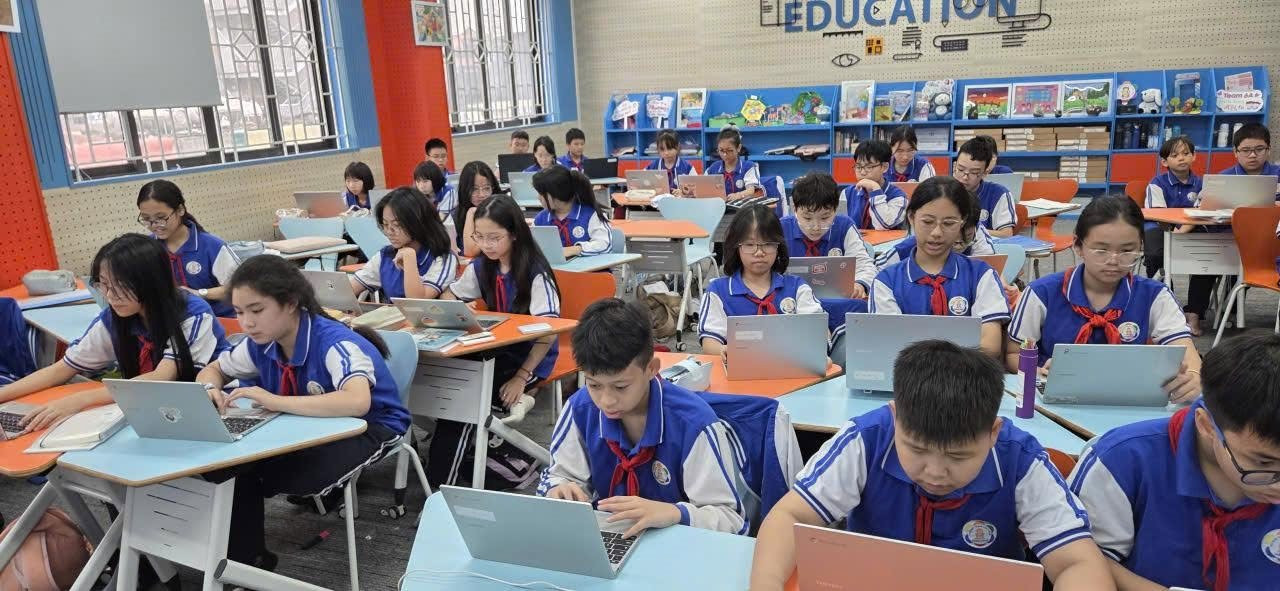
The program series is associated with Vietnam Learning Promotion Day October 2, National Digital Transformation Day and educational and cultural activities taking place locally.
This year’s program has the theme “Learn, practice, master digital technology and artificial intelligence to build a learning society and promote lifelong learning”.
The goal is to raise awareness of all levels, sectors, agencies, units, educational institutions, businesses and people of the Capital about the role of continuous learning, while promoting the spirit of learning along with practice and putting knowledge into practice.
Activities focus on expanding opportunities for people to access, practice digital skills and use artificial intelligence in a safe and responsible way, thereby contributing to spreading the “Digital Learning Popularity” movement.
Mobilizing the participation of many forces in society is expected to create an open, flexible, and equal learning environment, gradually forming a lifelong learning ecosystem consistent with the characteristics of the Capital.
Programs must be practical, effective, economical and safe. They can be organized in person, online or combine the two forms. The city requires avoiding ostentation and formality and not letting activities affect teaching, production or business.
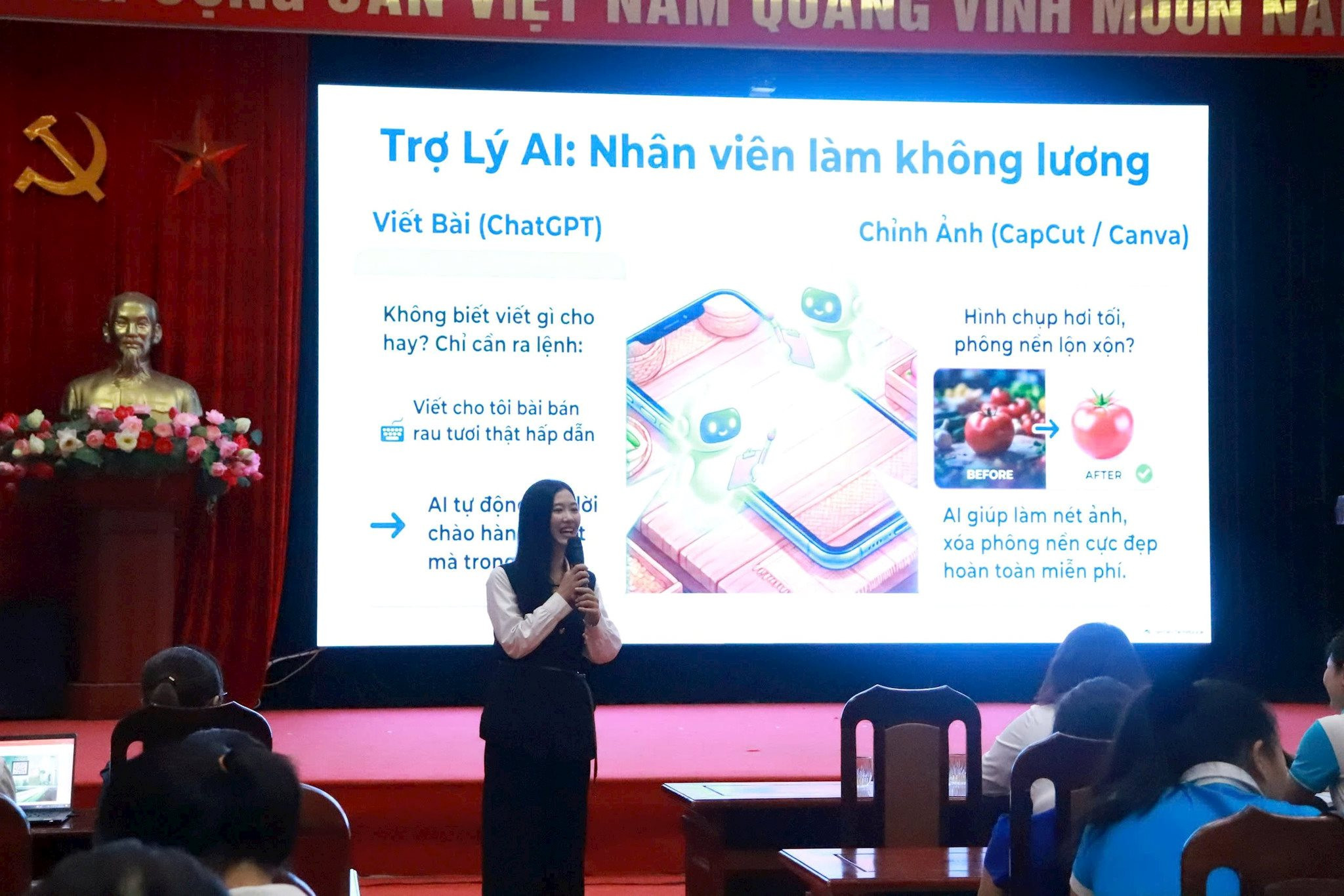
For the application of digital technology and artificial intelligence, the requirement is to comply with regulations on network security, information security, personal data protection, intellectual property rights and academic honesty.
Learning resources are encouraged to be selected from appraised documents, making the most of existing infrastructure, while focusing on supporting the elderly, people with disabilities and disadvantaged groups to access learning opportunities.
In addition to the cross-cutting theme, the program spreads many messages such as “Learn, practice – Master technology – Create a digital future”; “Learning goes hand in hand with practice, knowledge goes hand in hand with practice, learning goes hand in hand with dedication”; “Lifelong self-study – Innovating thinking – Mastering technology – Adapting to the new era”.
The messages “Each citizen a practical digital skill; each agency and unit a learning initiative” and “Each citizen is a learning citizen, each agency and unit a learning unit” were also used throughout the implementation process.
The series of activities is held throughout the city with the participation of educational institutions, community learning centers, libraries, museums, cultural houses, agencies, businesses and socio-political organizations.
During the launch phase, units focus on propagating the topic, introducing typical learning models, organizing digital product experiences and encouraging each person to choose at least one practical digital skill to practice.
At schools, self-study activities, reading, research and developing critical thinking are enhanced.
Students are also guided in using age-appropriate artificial intelligence, identifying fake information, protecting personal data, and forming the habit of clearly citing sources.
Universities, vocational education institutions and continuing education centers are oriented to coordinate with businesses to organize short-term courses, career consulting activities and skills improvement programs to help learners adapt better to the labor market.
At commune-level community learning centers, training content focuses on essential digital skills, how to use online public services, ensuring safety in the online environment, preventing online fraud, e-commerce and financial management.
Libraries, museums and cultural houses will expand digital reading spaces, introduce audiobooks, open learning materials, create artificial intelligence experience areas and organize exchange activities between generations.
At agencies and businesses, updating knowledge for workers continues to be promoted through the models of “Learning Units”, “Learning Citizens” and retraining right at the workplace.
A number of new practical models are also encouraged to be deployed on this occasion.
Commune-level People’s Committees can build a “Learning Opportunity Map” through QR codes or electronic information pages, helping people easily find study locations and career consulting services.
The “Digital Skills and Artificial Intelligence Support Points” will directly guide people on how to identify fake calls, check the reliability of information and install necessary security layers.
However, support points are not allowed to accept passwords, PIN codes or perform financial transactions on behalf of people.
In addition, experiential activities will focus on helping people improve their ability to recognize strange links, fake emails and unauthenticated content created with AI technology.
Communication work is implemented through many forms such as radio systems, social networks, information graphics and short videos, thereby spreading effective models and typical individuals in the lifelong learning movement.