

Falling German cuisine characteristics
 -
-
When the leaves began to turn red, yellow and the air became chilly, the German autumn appeared like a vivid fairy picture. This is also an ideal time for European tourists to discover German culinary characteristics, where the flavor, color and emotions intersect, creating unforgettable culinary experiences.
I. Raw materials typical of German cuisine
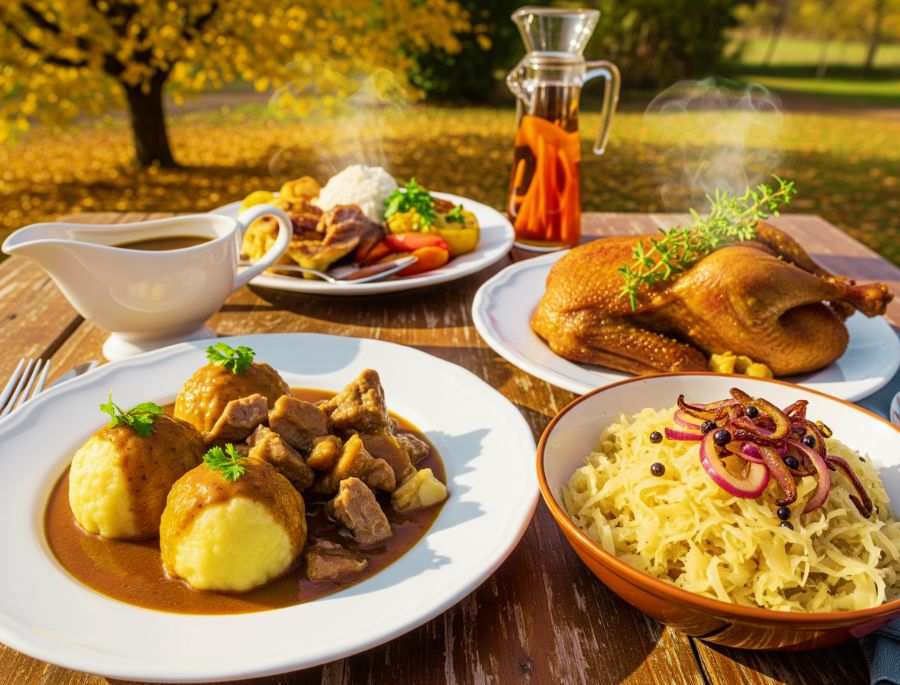
German cuisine becomes impressive not only by the processing but also because it is made from fresh ingredients, with bold natural flavor typical of the season, creating a vivid and attractive culinary picture.
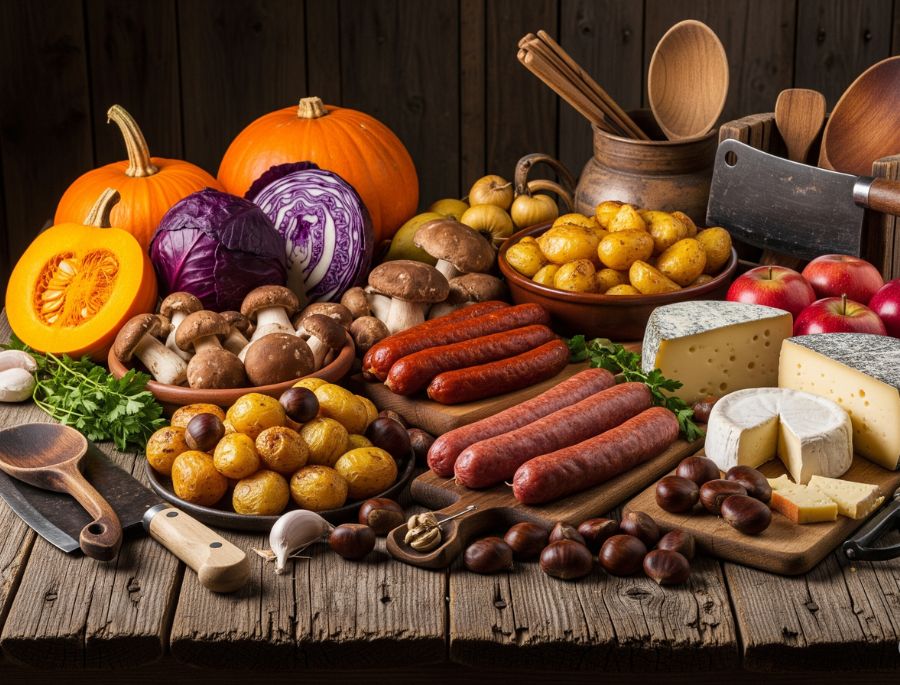
Some of the most common and iconic ingredients of the fall of autumn that guests go German tour Not to be missed are:
Pumpkin: The fruit has a soft, eye -catching orange -yellow meat, often used to cook soups, baking or combining in traditional stews.
Purple cabbage: This ingredient has a slight sour and purple taste, often appearing in side dishes like Rotkohl.
Forest mushrooms: The mushrooms of German flavor are very typical, good for health, which is a favored ingredient in stir -fried dishes or sauce.
Potato: The indispensable ingredient in traditional dishes, often boiled, crushed or grilled with meat or sauce.
Chestnut: An indispensable ingredient in the fall of Germany. Chestnuts are fragrant, crushed to make cakes or cook soups, bringing characteristic fleshy flavor and warm feeling.
Apple: Is one of the most typical fruits of German autumn. German apple is often crispy, juicy and has a slight sour taste, suitable for both salty and sweet dishes.
In addition to the above typical ingredients, autumn German cuisine is also indispensable for traditional sausages and cheese. These ingredients, although familiar, always play a key role in connecting seasonal ingredients with the long-standing identity of German cuisine.
II. The delicious dishes of German cuisine
Based on the typical ingredients of autumn, the Germans cleverly processed many dishes not only delicious but also clearly reflected the seasons of seasonal culinary culture, making guests Germany travel Passionate from the first enjoyment.
Here, with the top Ten Ten Travel, take a look at a few outstanding dishes in the fall in Germany!
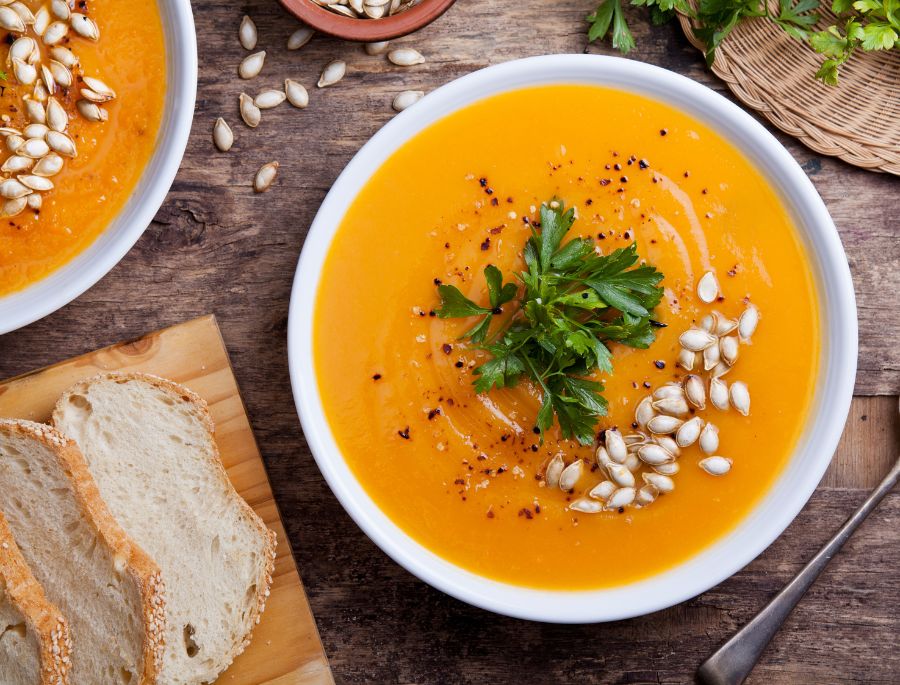
1. Pumpkin soup (Kürbissuppe)
This characteristic soup not only stands out thanks to the brilliant orange color of the pumpkin but also impressed by the smooth, light and sweet taste. Pumpkin is often cooked with fresh cream, onion and a little nutmeg to create smoothness, then taste gently according to the German taste. The dish is often used hot, with black bread or barley bread, very suitable to warm the abdomen in the cold autumn days.
The price of a part of pumpkin soup ranges from 6 to 9 euros at traditional restaurants. If you have the opportunity to visit Munich, do not miss the opportunity to enjoy this unique dish at famous restaurants such as ADECHSER AM DOM or Schneider Bräuhaus, Zur Letzten Instanz, …
2. Rotkohl
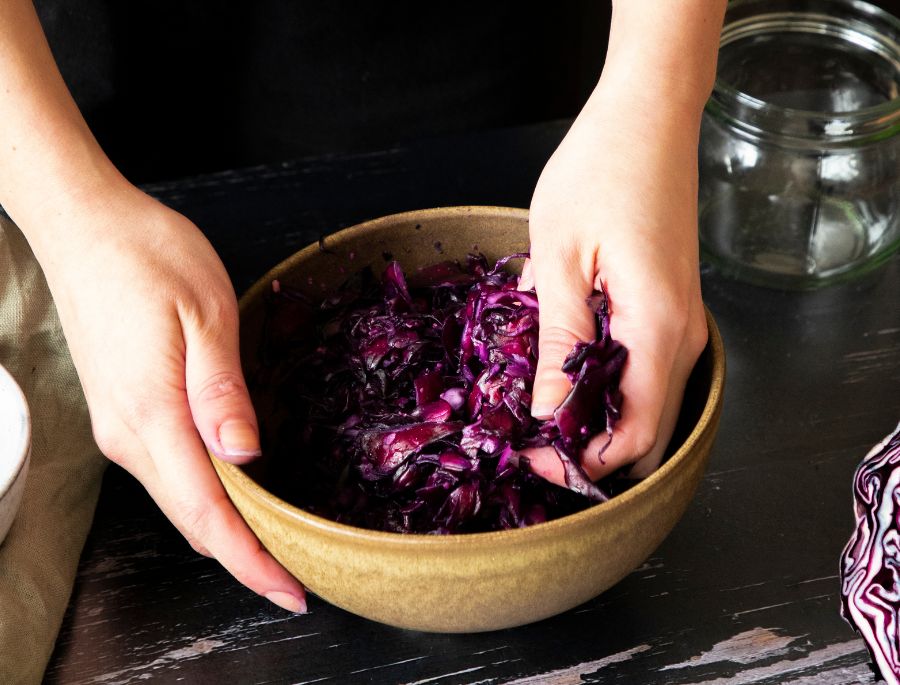
Rotkohl is one of the indispensable traditional dishes in the fall in Germany. This dish is characterized by the charming dark purple and the harmonious taste between sour, sweet, often used as a side dish to balance the fat taste of roast meat like roast pork (Schweinebraten) or roast duck (Ente Braten).
Currently, Rotkohl is processed by slowly cooking purple cabbage with apple cider vinegar, onions, cloves, pepper and sometimes sliced apples to increase natural sweetness and softness. This dish becomes especially popular in the fall not only because it is a cabbage harvest season, but also by the cold climate that makes the stewed, slow cooking dishes become more attractive.
In the menu of traditional restaurants in Bavaria and Saxony, Rotkohl is always a dish. Germany travel Best choice to enjoy and experience. With prices ranging from 4 to 7 Euros for a side dish, Rotkohl is not only affordable but also an ideal choice to combine with main dishes such as grilled ribs, roast duck or sausages.
Some prominent addresses for visitors to enjoy Rotkohl properly are Haxnbauer Im Scholastika Haus in Munich, or Auerbachs Keller in Leipzig, where the long -standing traditional flavor of German cuisine.
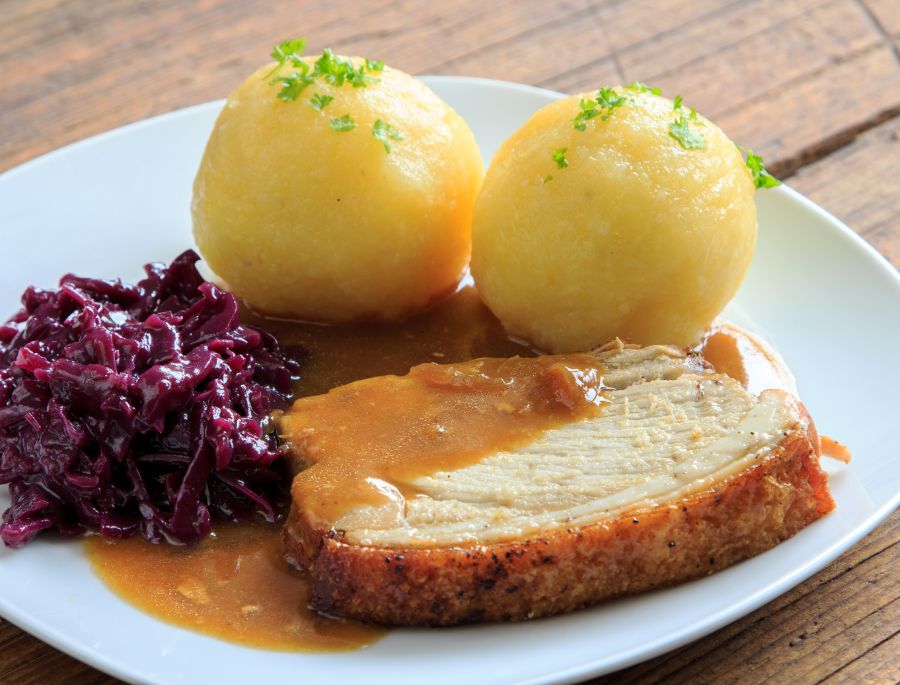
3. Pfifferlinge mit rahmsoße
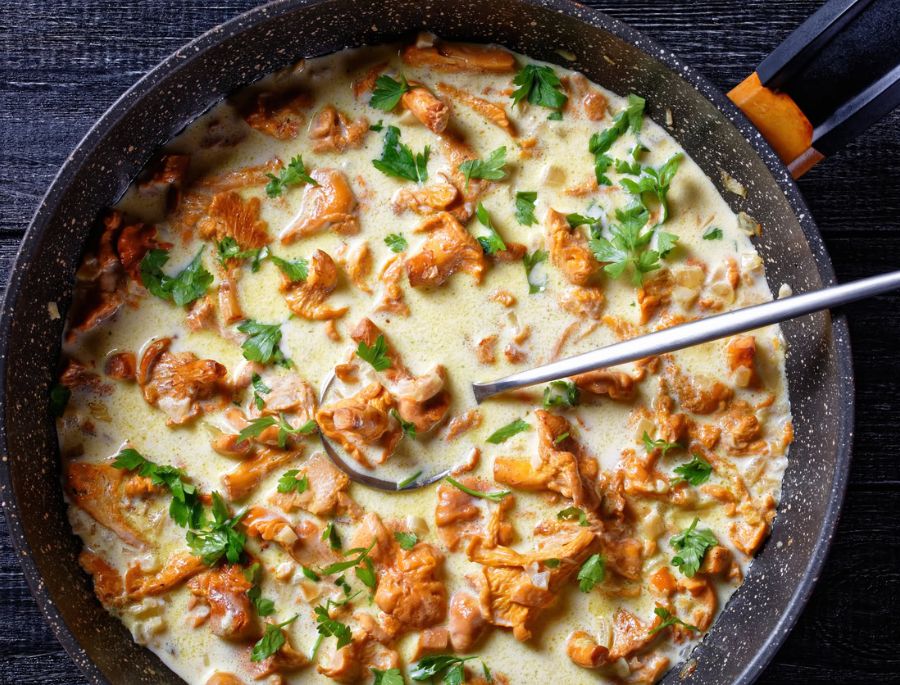
Pfifferlinge forest mushrooms, also known as chicken mushrooms, are a typical ingredient in the fall in Germany. This mushroom is usually collected in a very short time, usually from August to October, so the dishes from this mushroom become extremely special and are hunted a lot in the fall.
The special feature of Pfifferlinge is that they have a light nutty aroma, chewy and crispy mushroom meat and are easy to combine with other ingredients. Currently, there are many ways to prepare this mushroom dish, but in general, the most popular way is to stir-fry mushrooms with onions, garlic, a little white wine and fresh cream to create a smooth, rich sauce. The natural aroma from the mushrooms mixed with the creaminess of the cream makes this dish delicate, suitable for both vegetarians and those who love the gentle taste of German cuisine.
Guests go German tour When enjoying the dish if you want to add flavor, you can eat it with crispy bread, boiled potato or spätzle egg noodles. The price for a part ranges from 10 to 14 euros, suitable for everyone’s pocket.
4. Apfelstrudel (apfelstrudel)
Apfelstrudel is not simply a dessert but also a part of Germany’s autumn memories, where fragrant cakes fragrant with apples and cinnamon remind of warm stoves and chilly, sunny afternoons.
In terms of processing, a delicious Apfelstrudel cake must start from choosing the right type of apples, usually the chef will use light -sour apple varieties like Boskoop or Elstar, so that when cooked, it does not get empty and retains light crispness.
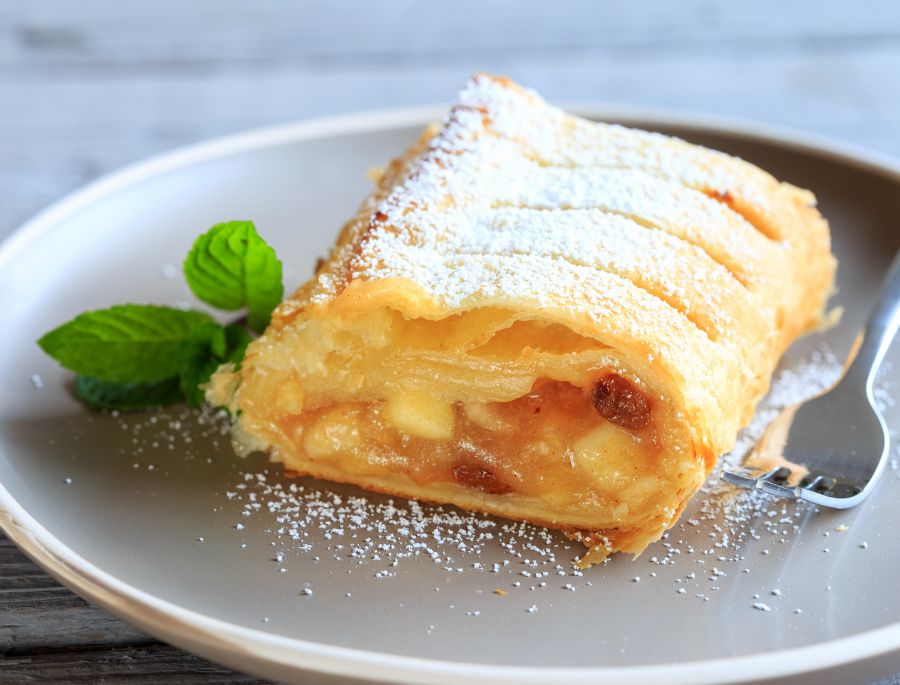
After choosing the ingredients, the chef will handle the crust to the point that is almost transparent but still retain the toughness, not tear. The cake is carefully prepared, apples must be fried to keep the crispy crispy, blended with the sweetness of sugar, the concentration of cinnamon and the fat of butter. After swept, the cake is baked in the oven until the shell turns eye -catching yellow, then offered and started decoration.
This cake is often served while still hot, served with warm vanilla sauce or cold vanilla cream, creating a great contrast of temperature and taste. With the price of about 4–6 euros in part, Apfelstrudel is the ideal choice for guests German tourism End of an autumn meal full of aftertaste.
5. Weißwurst with pretzel
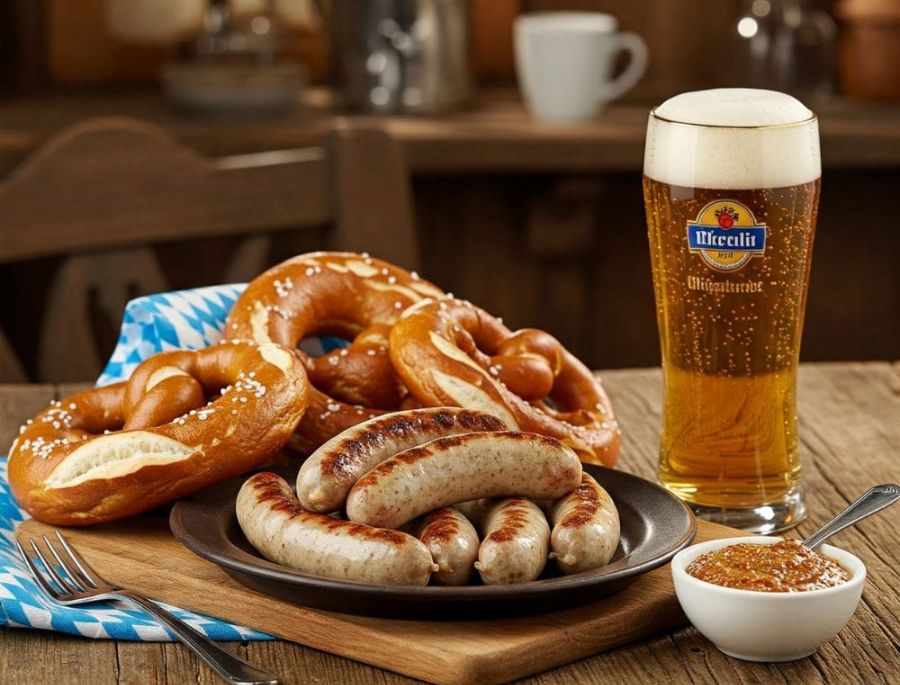
This is an indispensable traditional dish in breakfast in Bavaria, especially popular in the Oktoberfest festive season. Weißwurst sausage is made from veal and pork fat, slightly seasoned with spices such as parsley, lemon, ginger and cardamom, then cooked in hot water until it is soft.
This dish is often served with crispy pretzel cake, sweet mustard (Süßer Senf) and a cool weißbier, a harmonious combination of fat, lightweight and sweet. This is not only a traditional breakfast of the Bavarians, but also a great way to start the journey Discover the passionate beauty of German autumn Through delicate cuisine and imbued with regional identity.
6. Bavaria grilled ribs (Schweinerippchen)
Bavaria grilled ribs (Schweinerippchen) are a dish of autumn thanks to slow and sophisticated processing, very suitable for cold weather. The pork ribs are carefully marinated with a mixture of fresh herbs, mild spicy mustard and the typical black beer of the Bavaria region, the advantage of this beer is to bring a passionate aroma and deepness to the meat.
After being marinated, the ribs are grilled slowly for hours to make the meat soft, easy to separate from the bones, and the outer layer still retains the attractive fire. The dish is often served with sour pickles (Sauerkraut) and smooth mashed potatoes, creating a harmonious combination between fat, sour, fleshy, standard a hearty and warm autumn meal.
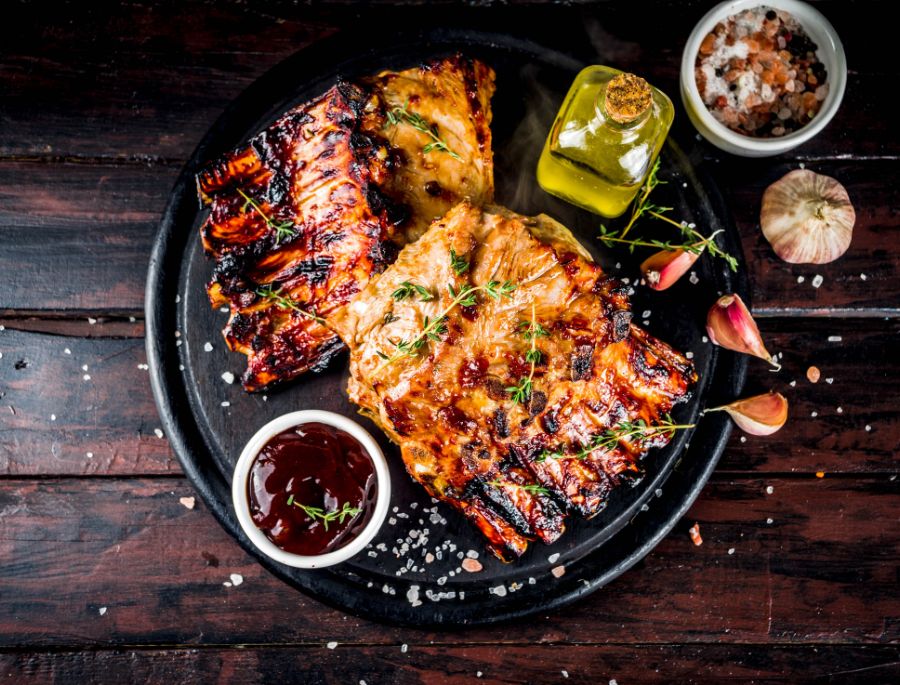
The price for a full meal ranges from 12 to 18 euros at local restaurants, and guests German tourism It is easy to find this dish in the autumn menu of restaurants in Munich, Nuremberg or Regensburg.
In addition to the attractive dishes, autumn in Germany is also a festive season with lots of vibrant and rich culinary events. The most prominent is the Oktoberfest beer festival in Munich, attracting millions of tourists from around the world. Not only is the opportunity to enjoy traditional fresh beers, Oktoberfest is also a culinary paradise with countless typical dishes such as Weißwursts, Pretzel, Bavaria and other barbecue with strong manual beer. This is a great opportunity for visitors to immerse themselves in the bustling festive atmosphere, sip delicious dishes and feel the full spirit of the autumn culinary spirit of Germany.
III. The notes when experiencing German cuisine autumn
In addition to enjoying attractive dishes, to make a journey to explore German cuisine in autumn more complete and smooth, you should also note some of the following important points:
Visit a local farmers market: This is an ideal place to find out seasonal materials, taste fresh specialties and feel native life.
Dinner set: Fall is peak travel time, especially during Oktoberfest. Making reservations in advance helps you avoid running out of tables at famous restaurants.
Courage to try strange dishes: Many traditional German dishes are only available in the fall. Boldly taste to explore more unique flavors.
Note the personal diet: If you are vegetarian, have food allergies or do not consume gluten, do not hesitate to ask the wait staff carefully to make sure the dish suits your needs.
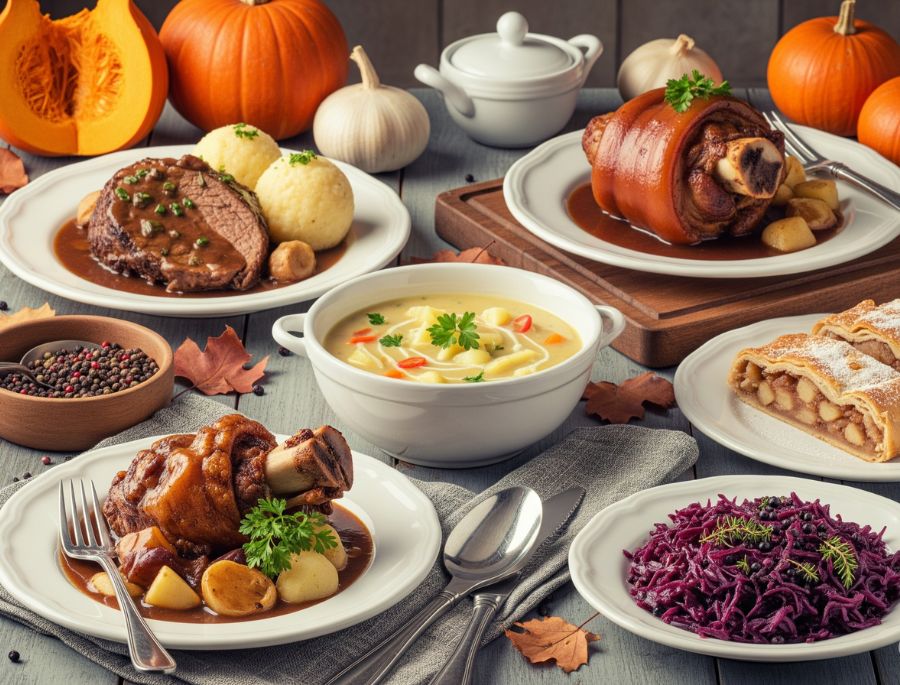
The autumn of Germany not only captivates people by the romantic scenery, but also by its unique cuisine, rich in identity and full of emotions. From idyllic ingredients to delicate traditional dishes, German cuisine is a journey of discovery not to be missed for anyone who loves cuisine and culture. If you are planning German tourism In the near future, do not forget to make a list of autumn dishes to make your journey more complete and memorable!
Top Ten Travel


