

Tsunami Dango – Japanese Moon Cake
 -
-
Japanese people believe that rabbits live on the moon. When they look at the moon, they often imagine themselves looking at rabbits with dumplings or slamming hanging dungeons.
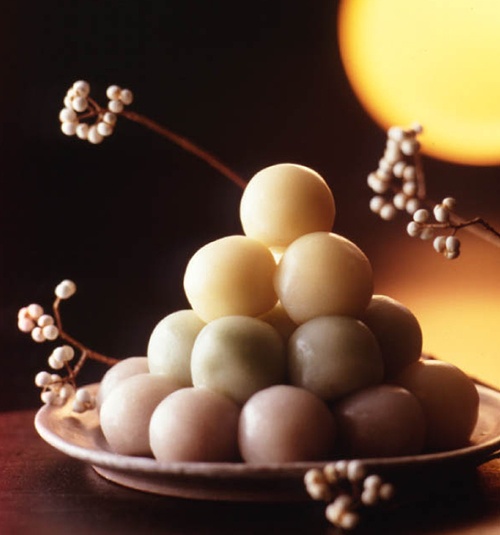
| Dango is the common name for dumplings, made from rice flour. This type of cake is very similar to the mochi (also Japanese rice) that is commonly used in tea. Dango is a food that is used all year round, but there are many different types of dango and are used in season. At Prime Minister’s Festival, Japanese people often eat tsukimidango. |
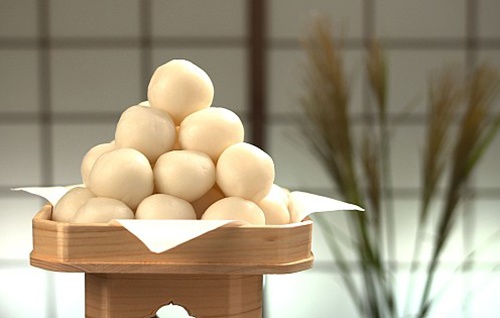 |
| At the full moon of Otsukimi’s Mid-Autumn Festival, Japanese people often display tsunami dangos in a triangle on a wooden shelf next to the susu grass, and there may be more fruit. |
 |
| They then placed anywhere they could see the moon most clearly, near the windows. In some places, it is considered lucky if the children will optionally come to pick it up after the service is finished on the porch. |
 |
| Japanese cakes come in many shapes depending on the customs culture of each region. There are places where you can make a round cake, there are rectangular shapes, flat shapes…but the most common is a round cake. |
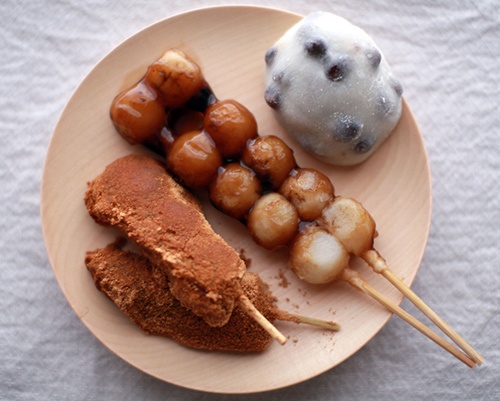 |
| This way, like this, like this, a stumbling dango cake is very easy. It only comes from different ingredients, such as making water-dried cakes in Vietnam. To make dango cakes, people often use shiratama powder mixed with joushinko powder to create cakes with moderate hardness, toughness and flexibility. |
|
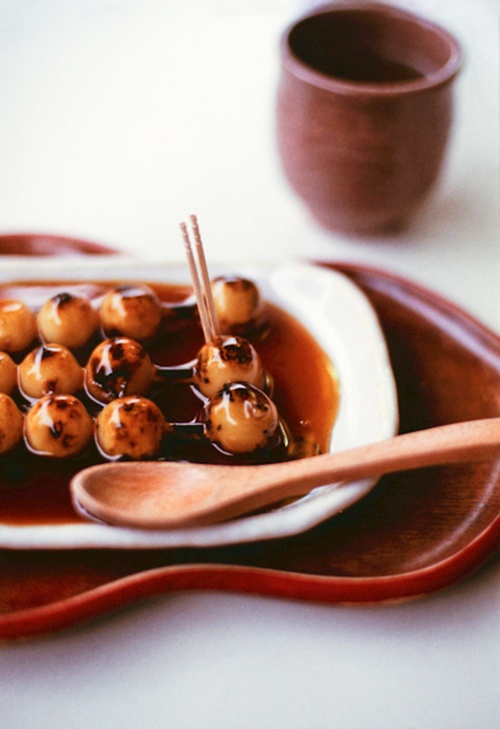
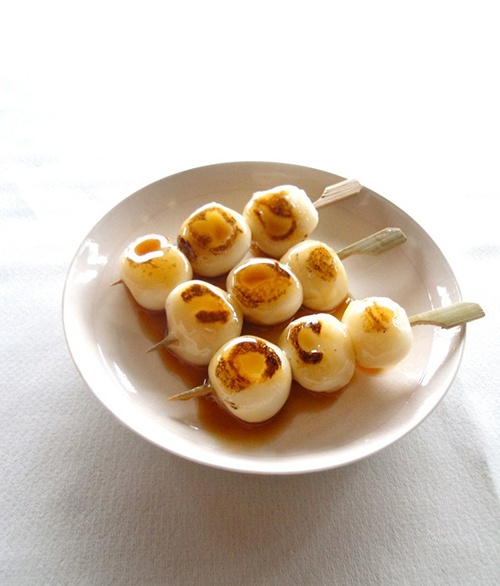
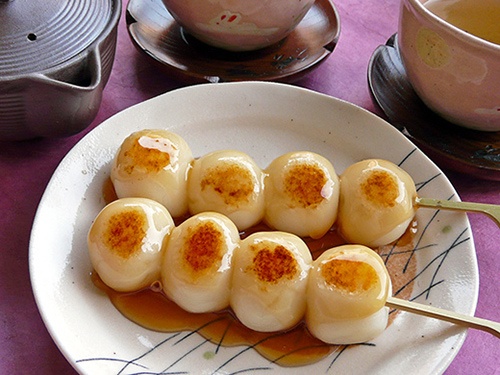
| The finished bread is placed for worship in the tower, then temporarily grilled with a slightly crispy molasses raised and a drink of green tea with quinanko soy flour or red beans. |
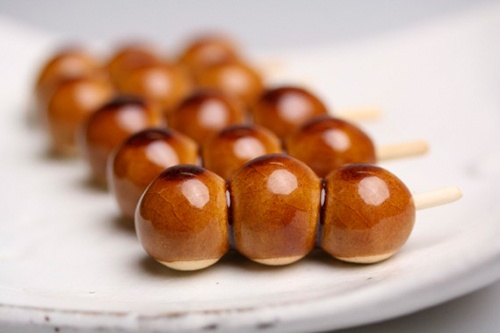 |
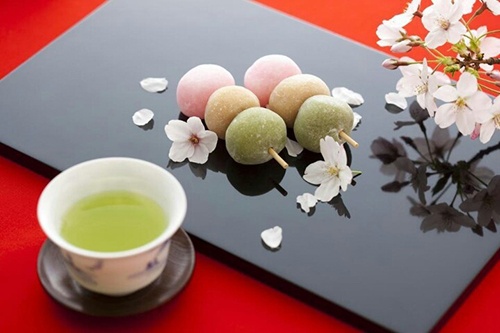
| The skewers are attractive. |
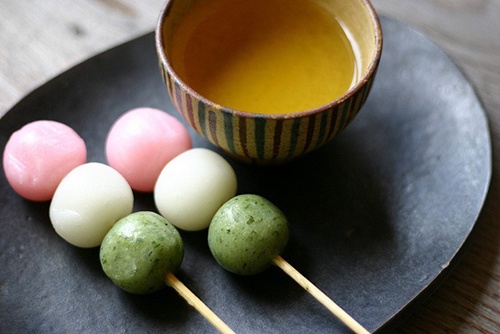 |
| In addition to traditional pancakes, Japanese people can combine them with other ingredients that make up the colorful cake. |
 |
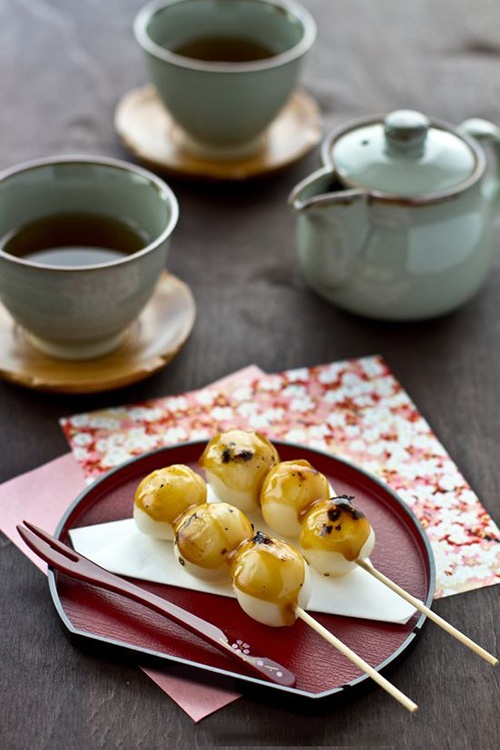
| Japanese people eat dango cakes all year round, but each season has a different display and color for each occasion. |
|
| Eating dango cakes and drinking a cup of tea is a traditional Japanese culture. The sweetness of the cake, combined with the refreshing taste of the tea, can satisfy the most demanding diners. |
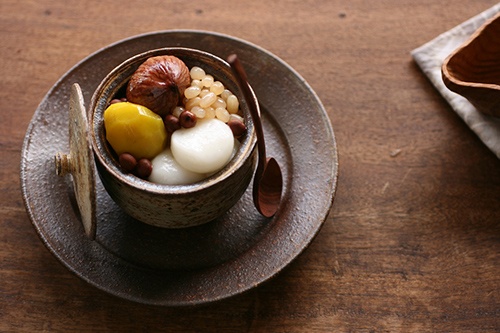 |
| Today, dango cakes are combined with other dishes to create a fascinating harmony. |
|
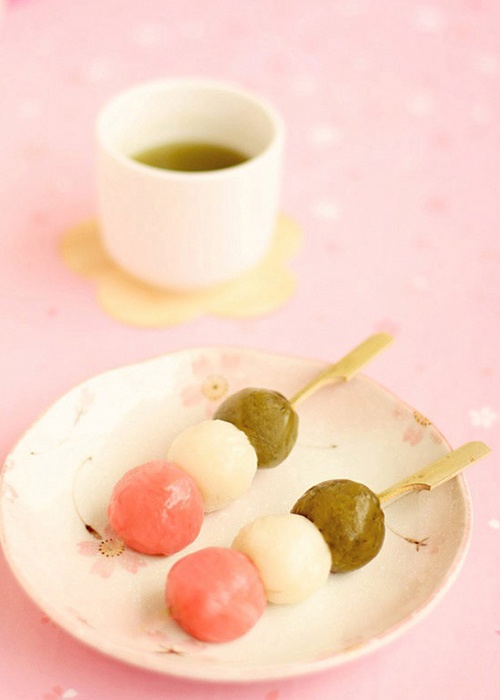
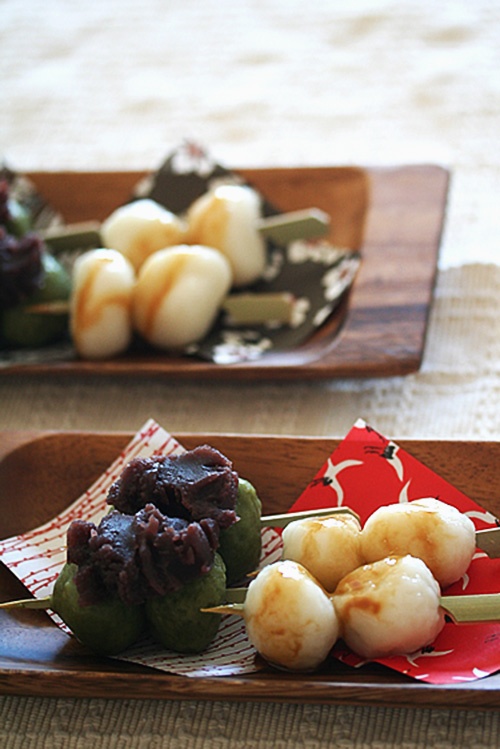
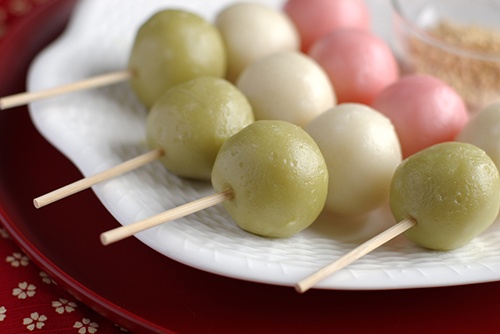
| Bocchan Dango, group of deaths in three colors: a color made from red beans, a color made from eggs, a third color of green tea. |
|
| There are many types of dangos too. This has a variety of flavors and flavors, and this is especially a sweet dish where dangos are very popular not only with children but also adults. |
 |
| Dango is a traditional and popular Japanese dish. However, dango is considered to be a dish, not a main menu in Japanese meals. |
 |
| Like many other traditional dishes, dango is an idyllic dish that contributes to decorating Japanese culinary culture. |
|
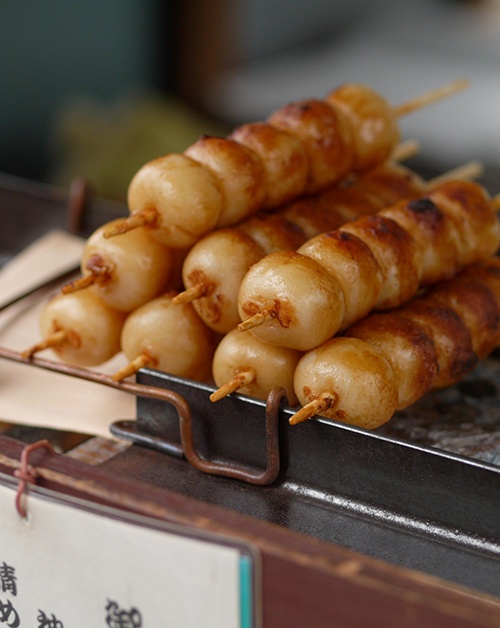
| Banh Dango’s skewers are grilled with charming honey. |
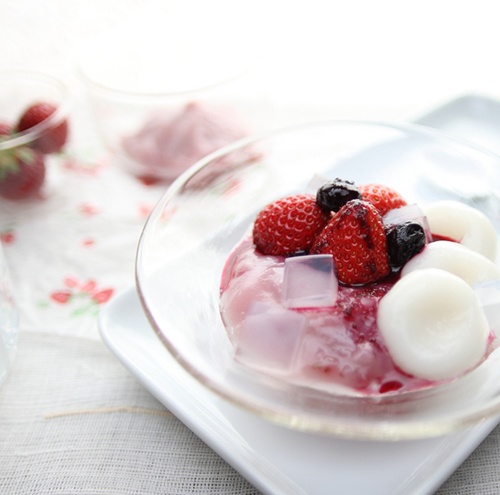 |
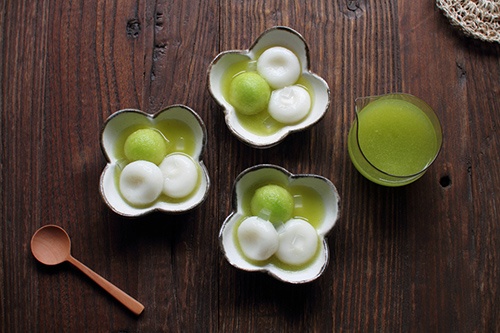
| The cake also has very tasty fruits and ice cream. |


